Rohstoffe für Wolldecken und Naturhaar – warum sind Sie so begehrt?
Wolle und Haare
Wolle und Haare sind ein erlesener Rohstoff mit ganz besonderen Eigenschaften.
Wolle und Edelhaare sind Keratinfasern tierischem Ursprungs mit einem komplexem Aufbau und ganz besonderen Eigenschaften. Ihre besonderen Eigenschaften machen Sie so begehrt.
Welche Eigenschaften sind das und warum?
In Millionen von Jahren hat die Evolution dafür gesorgt, dass die Tiere optimal Ihrem jeweiligen Lebensraum angepasst wurden und in einer natürlichen Auslese überleben konnten.
Die Wollen und Haare als äußeren Schutz mit Ihren besonderen Merkmalen müssen demnach einige Funktionen erfüllen um bestmöglich den jeweiligen klimatischen Bedingungen wie Kälte, Schnee, Regen, Eis, Wind, Feuchtigkeit, Hitze, Temperatur und Sonne zu trotzen und das Überleben der Tiere zu ermöglichen.
Auf der einen Seite müssen Sie dem Körper Wärme geben, reflektieren und speichern ohne dass der Körper überhitzt, andererseits muss gewährleistet sein den eigenen Körperschweiß und die Feuchtigkeit aufzunehmen, zu neutralisieren und nach außen an die Umwelt abzugeben.
Sie müssen sich möglichst schnell regenerieren, selbstreinigend und schmutzabweisend sein und dürfen bei einer erhöhten Feuchtigkeitsaufnahme sich nicht nass anfühlen. Sie müssen Regen und Schnee nach unten ableiten, was durch die gröberen Deck- und Grannenhaare gewährleistet ist. Zugleich sorgt der Fettgehalt der Haare und Wollen für hydrophobe Eigenschaften und Schmutzunanfälligkeit.
Andererseits müssen Sie den Körper vor äußeren Hitze und Sonnenstrahlen mit Ihren Dämmeigenschaften schützen.
Sie müssen elastisch sein, langlebig sein, belastbar sein und sich nach Druck wieder selbst aufbauschen und regenerieren. Sie müssen für ausreichende Isolation und Dämmung und Temperaturausgleich sorgen wenn die Tiere auf einem kalten Boden schlafen.
Hohe Nachfrage, begrenztes Angebot
Der Anteil von Textilien, welche weltweit aus Schurwolle gefertigt werden beträgt nur 5 %. Per Definition ist Schurwolle oder Wolle die Bezeichnung, welche eindeutig nur dem Schaf zugeordnet ist.
Der Anteil von Textilien welche weltweit aus Edelhaaren wie Alpaka, Cashmere, Kamelhaar, Seide, Angora oder Yak hergestellt werden, beträgt lediglich nur 0,5 % !
Dies zeigt wie exklusiv diese Produkte hergestellt sind.
Weltweit werden jährlich Textilien aus
In diesem Zusammenhang ist leicht ersichtlich, dass für jeden Menschen immerhin ein leichter Pullover in Schurwolle (rein theoretisch) gefertigt werden könnte.
Der überwiegende Teil der Wollen ist dafür im heutigen Kontext wohl zu grob und wird z.B. für die Fertigung von Teppichen in China verarbeitet.
| Rohstoffe | Prozent | Mio Tonnen | bei 7,2 Mrd. Menschen kg/pro Kopf |
|---|---|---|---|
| Baumwolle | 48,76 % | 18,700 Mio Tonnen | 2,597 kg/Mensch |
| Synthetik | 45,64 % | 17,500 Mio Tonnen | 2,431 kg/Mensch |
| Schurwolle | 5,09 % | 1,954 Mio Tonnen | 0,271 kg/Mensch |
| Übrige | 0,53 % | 0,198 Mio Tonnen | 0,024 kg/Mensch |
Quelle Tabelle: IWTO
Die Hauptvorteile unserer Naturhaardecken
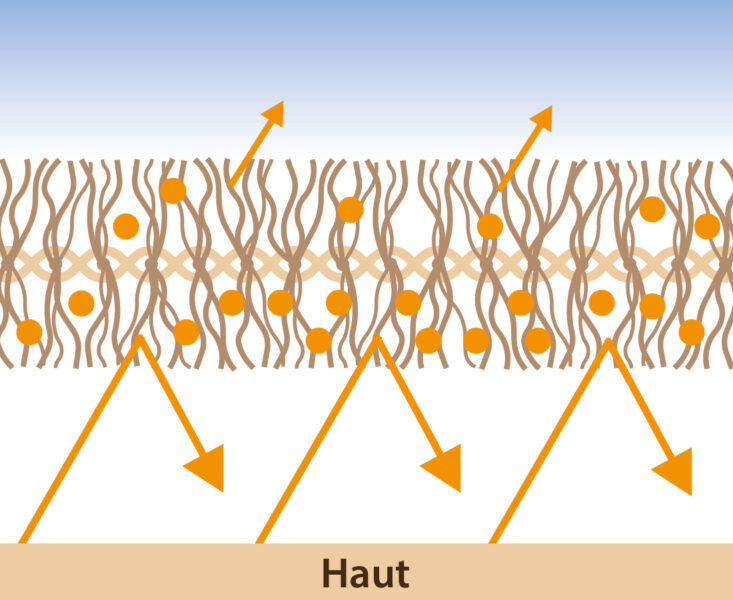
Wärmespeicher
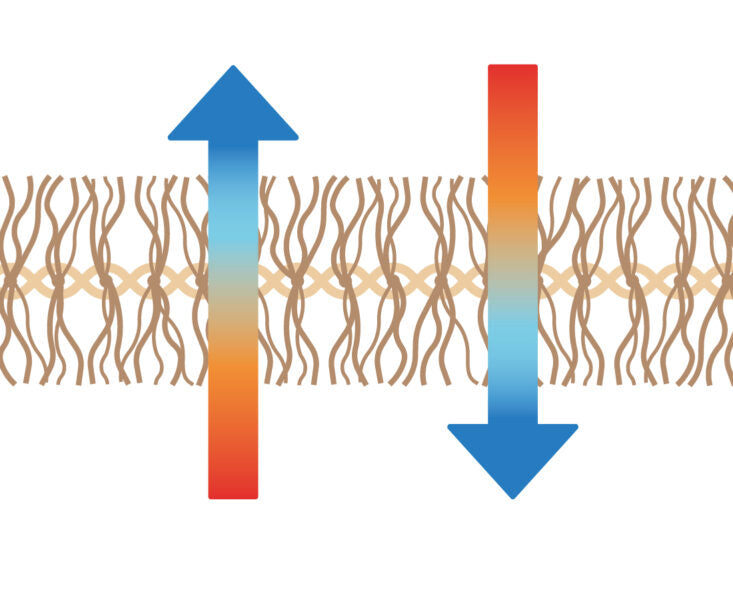
Temperaturausgleichend
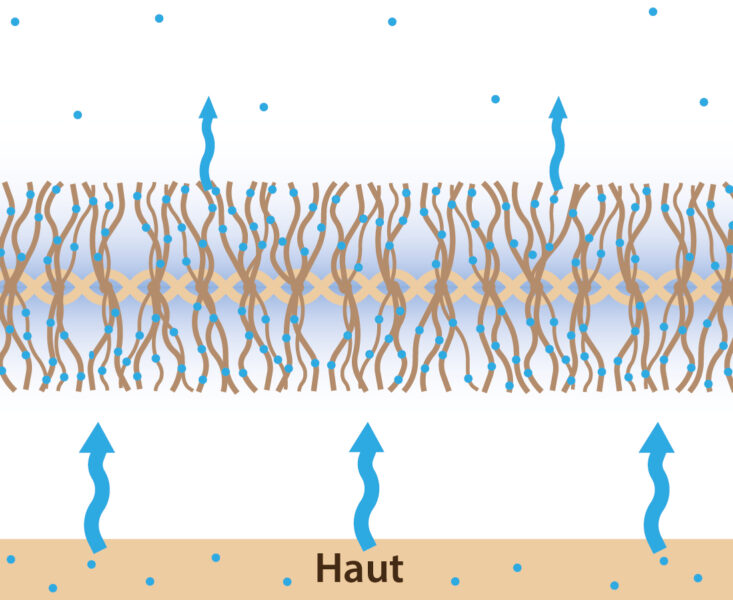
Hohe Feuchtigkeitsaufnahme
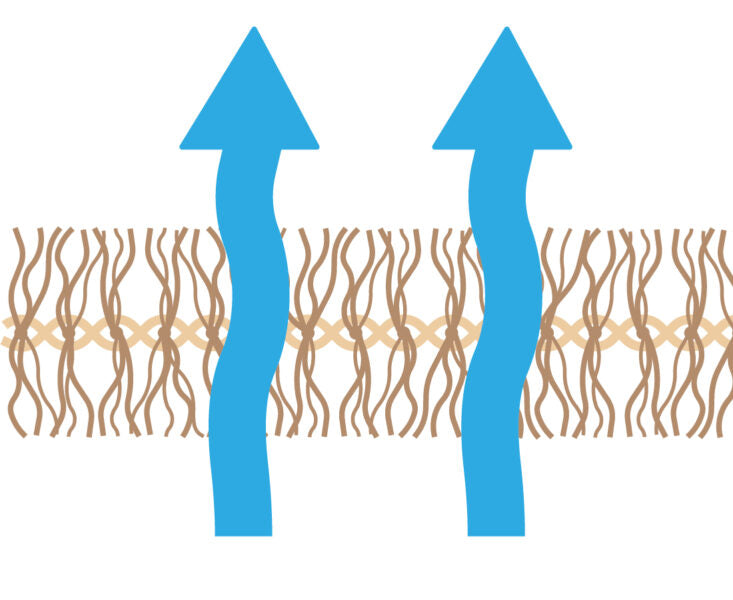
Atmungsaktivität
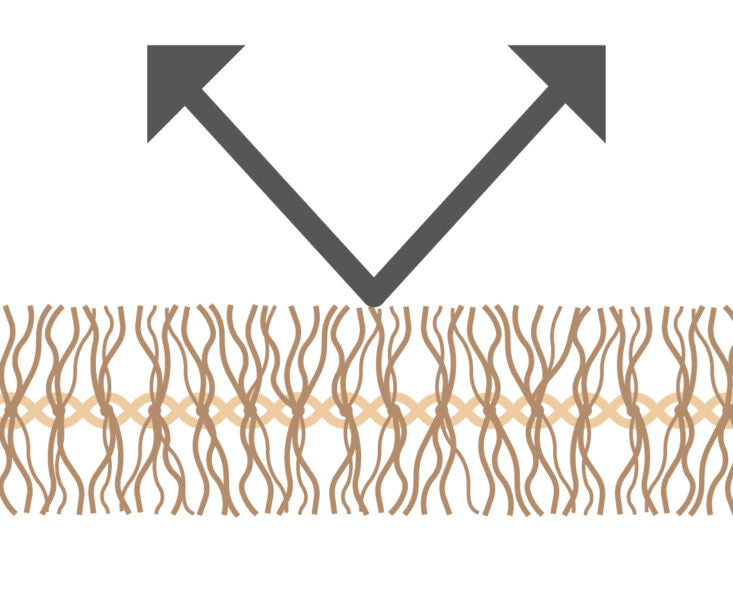
Schmutzabweisend
For more information, please select the animal or the type of hair/wool:
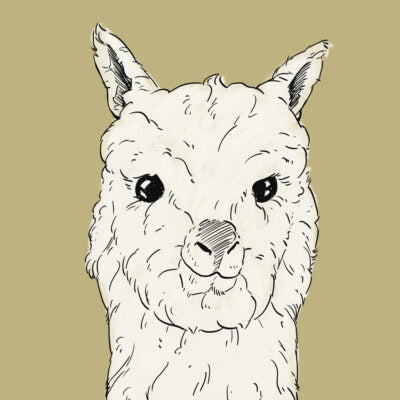
Alpaca
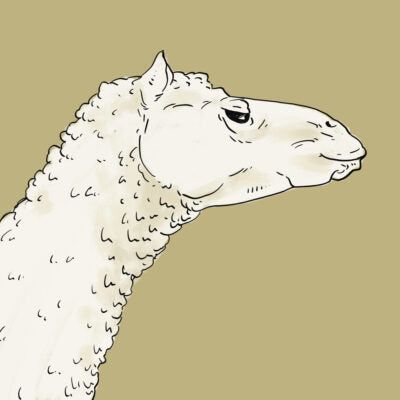
Camel
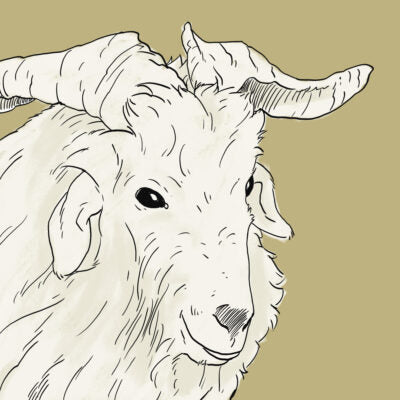
Cashmere
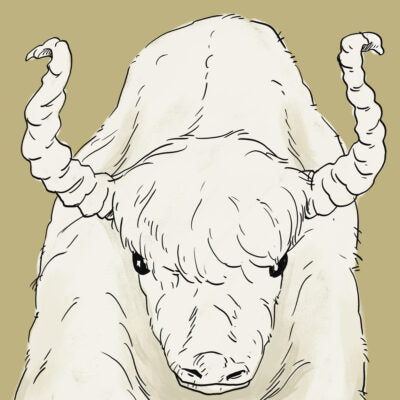
Yak
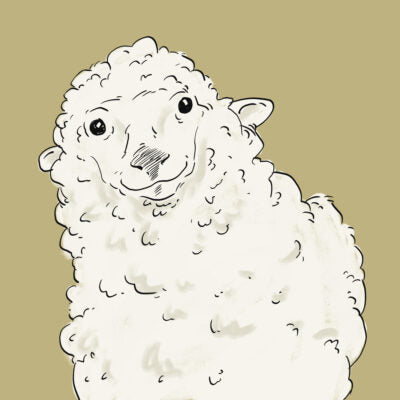
Virgin Wool
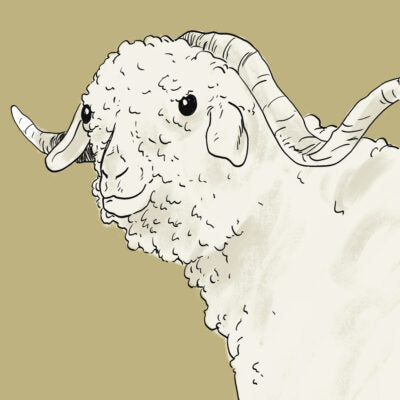
Mohair
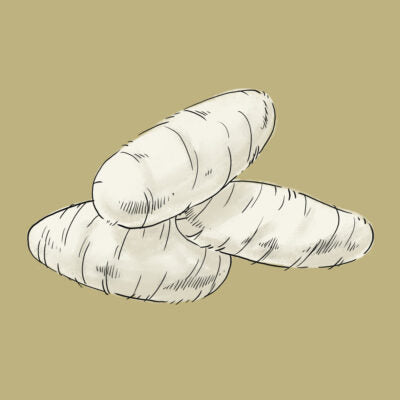
Silk