


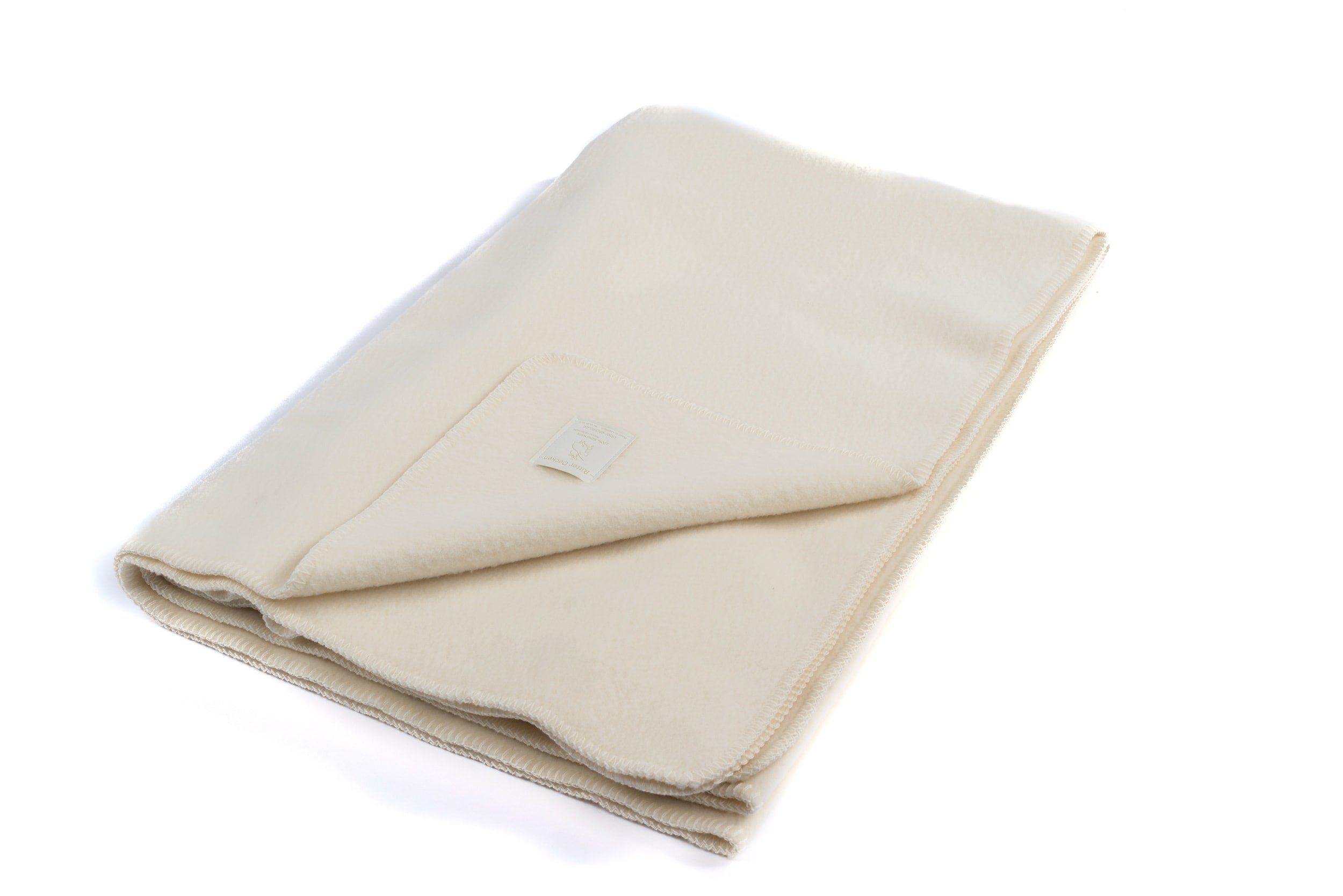
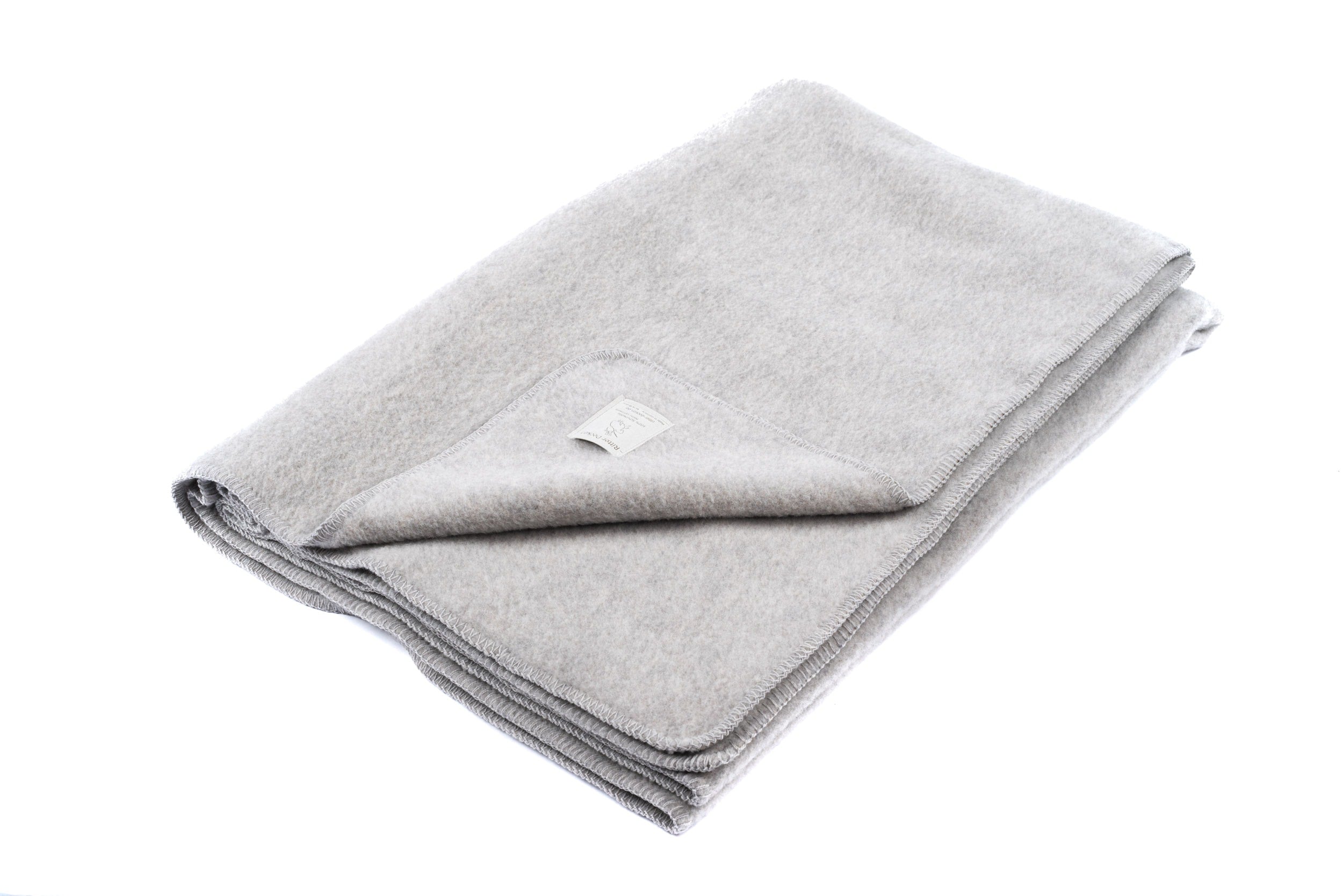
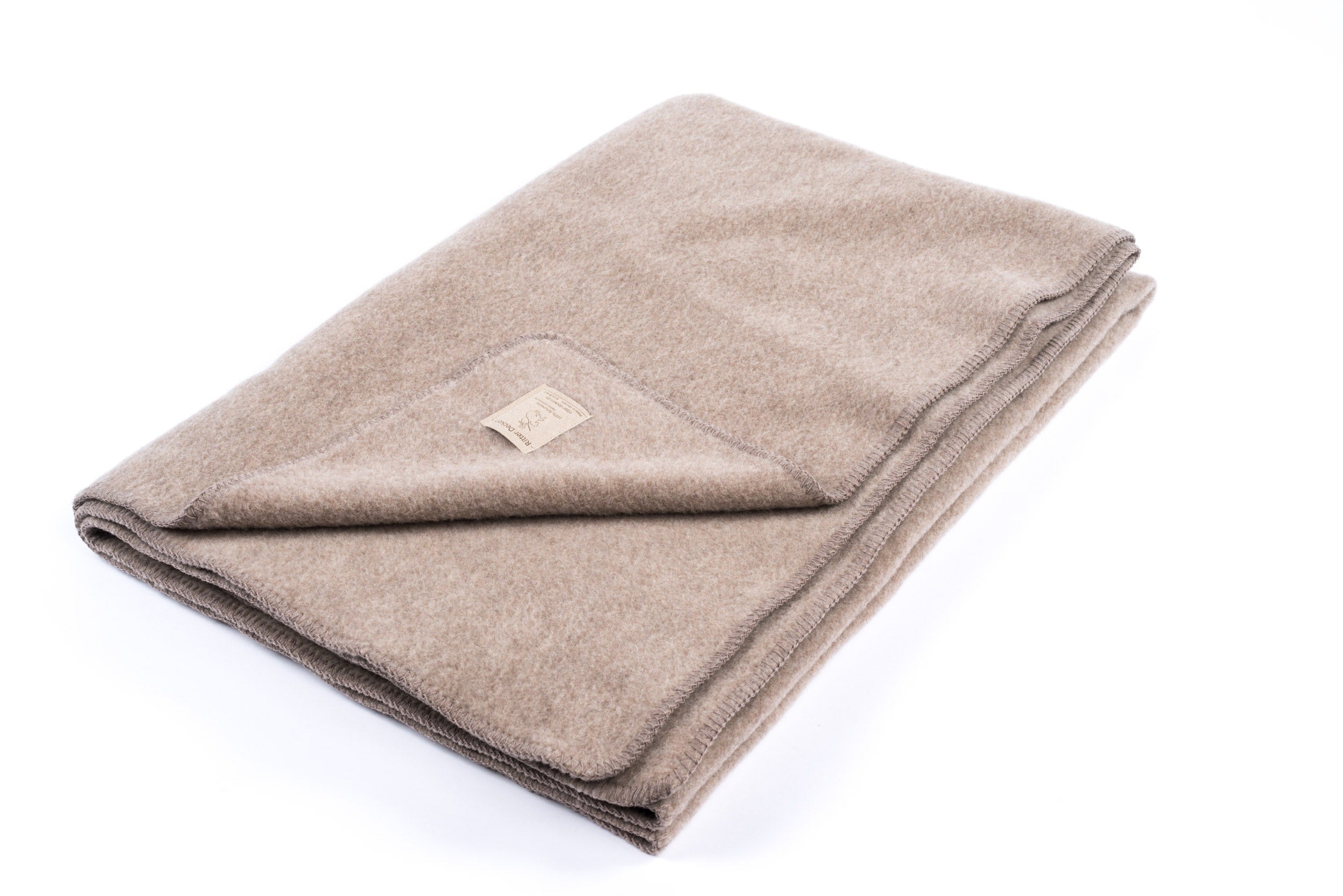
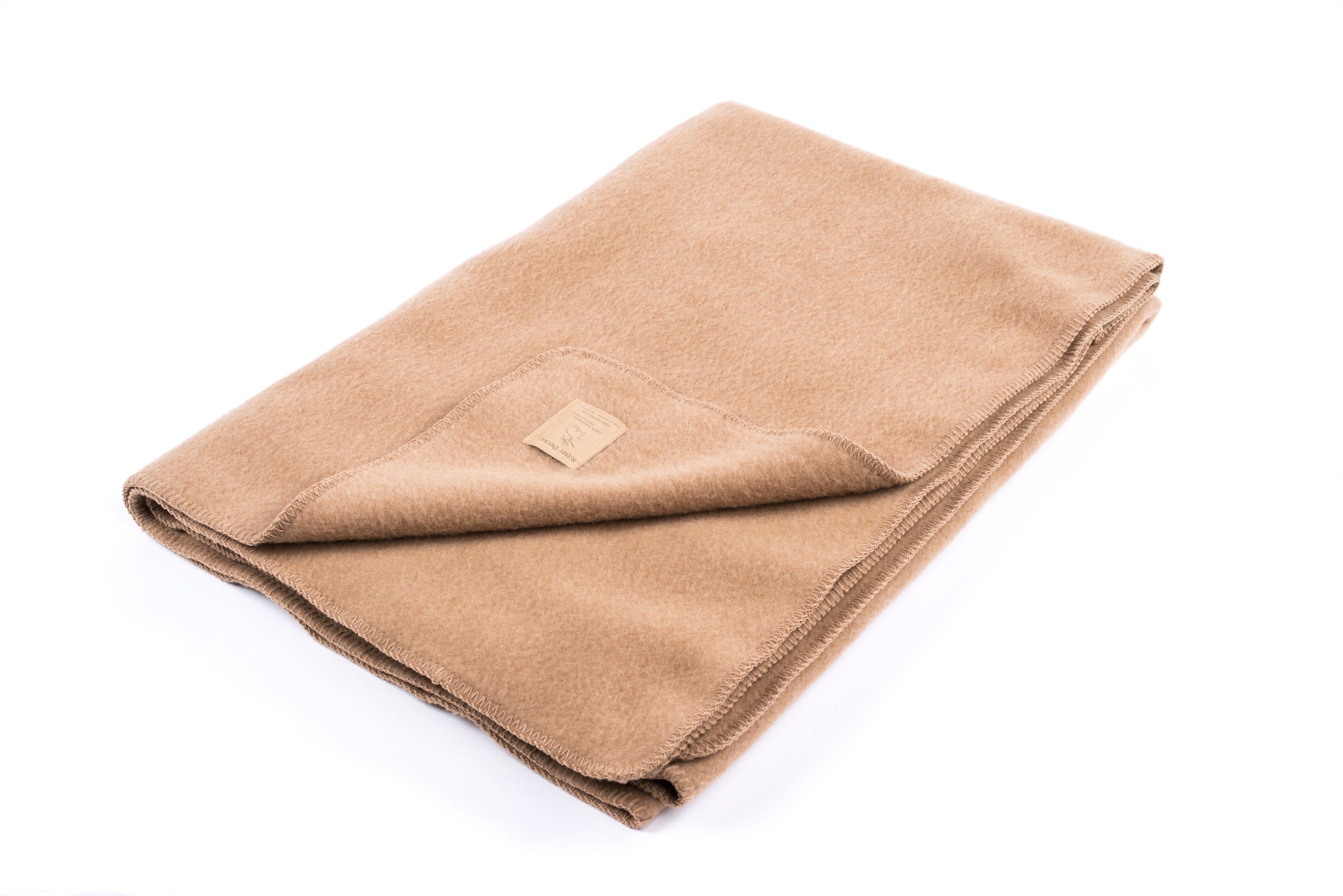

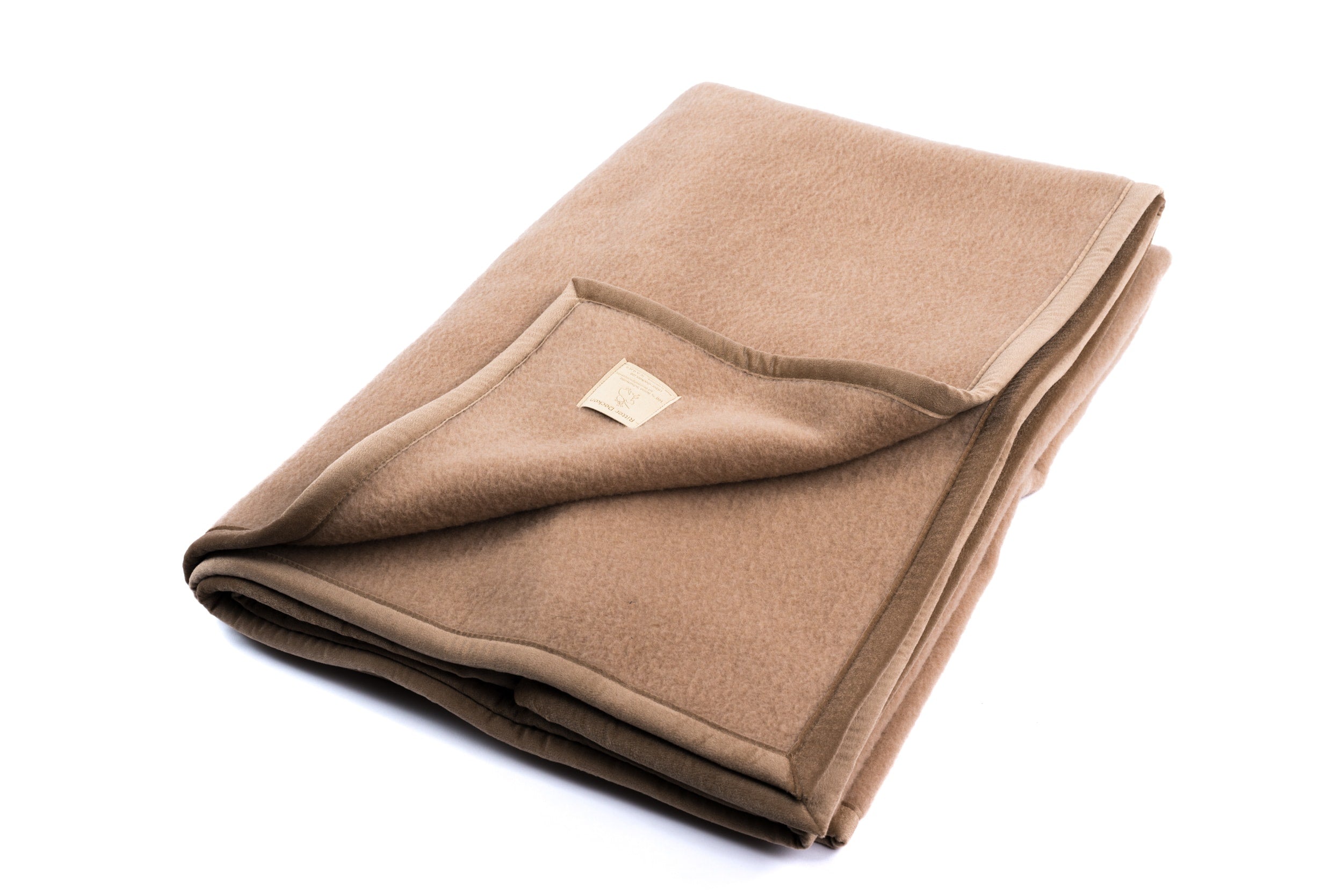
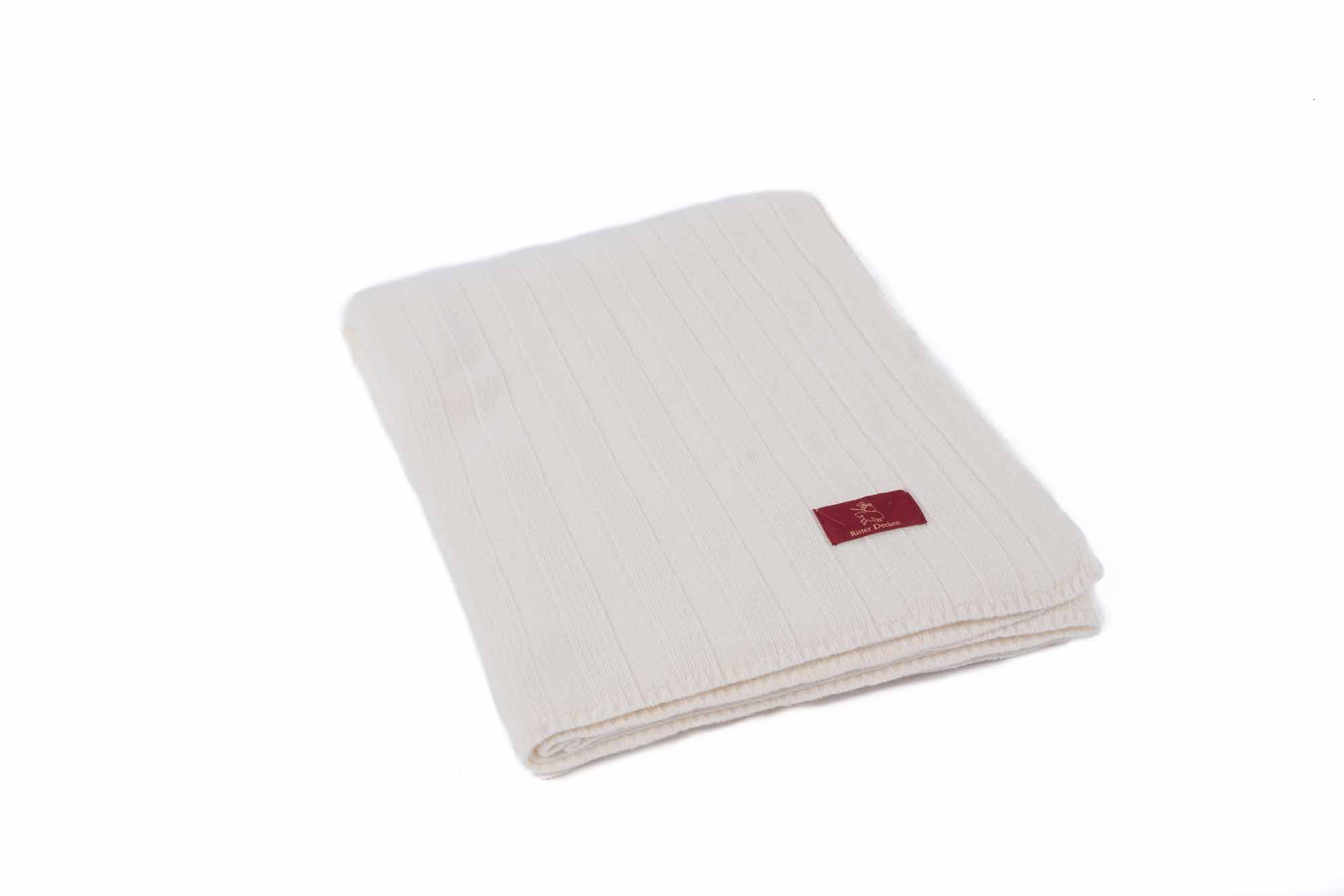
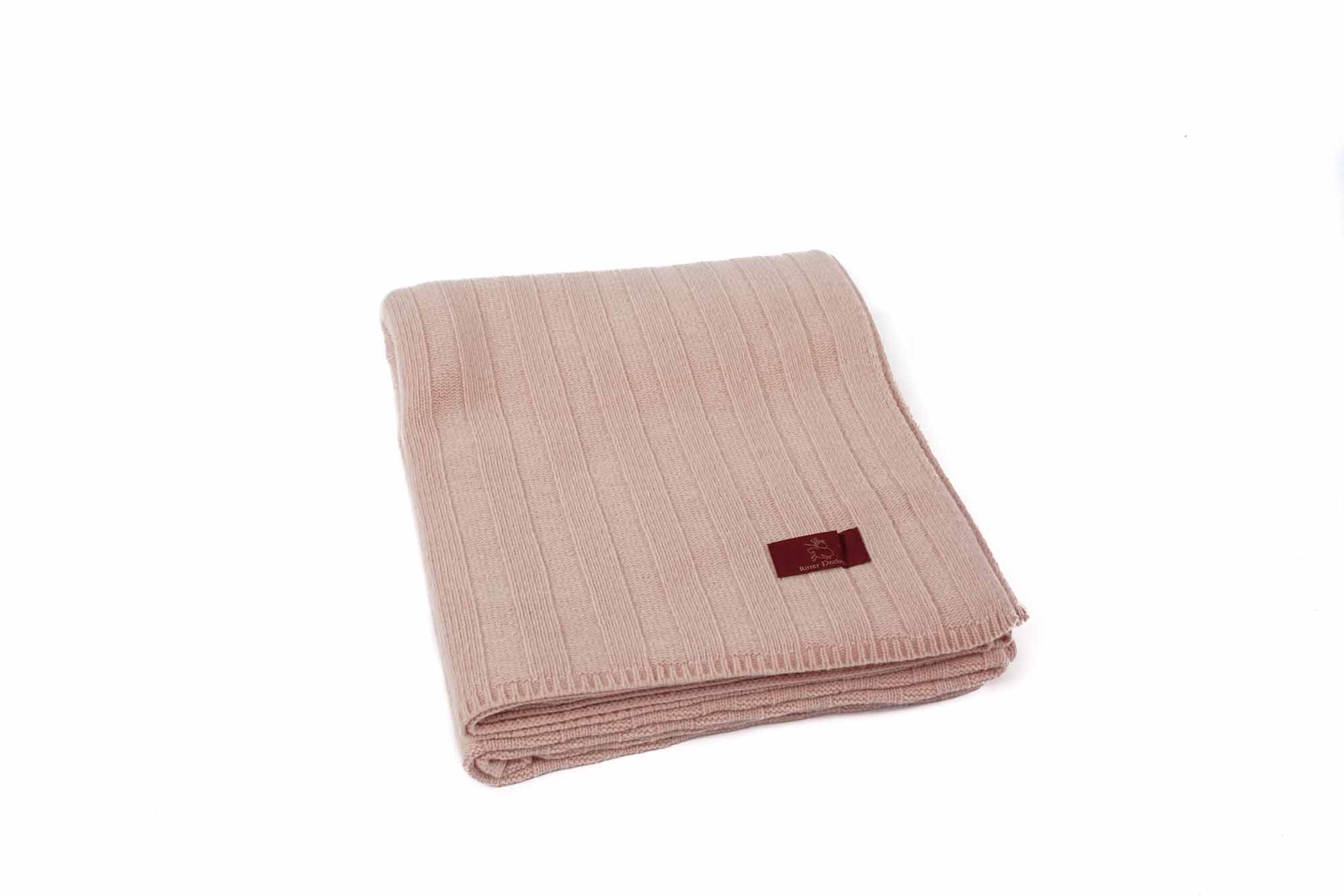

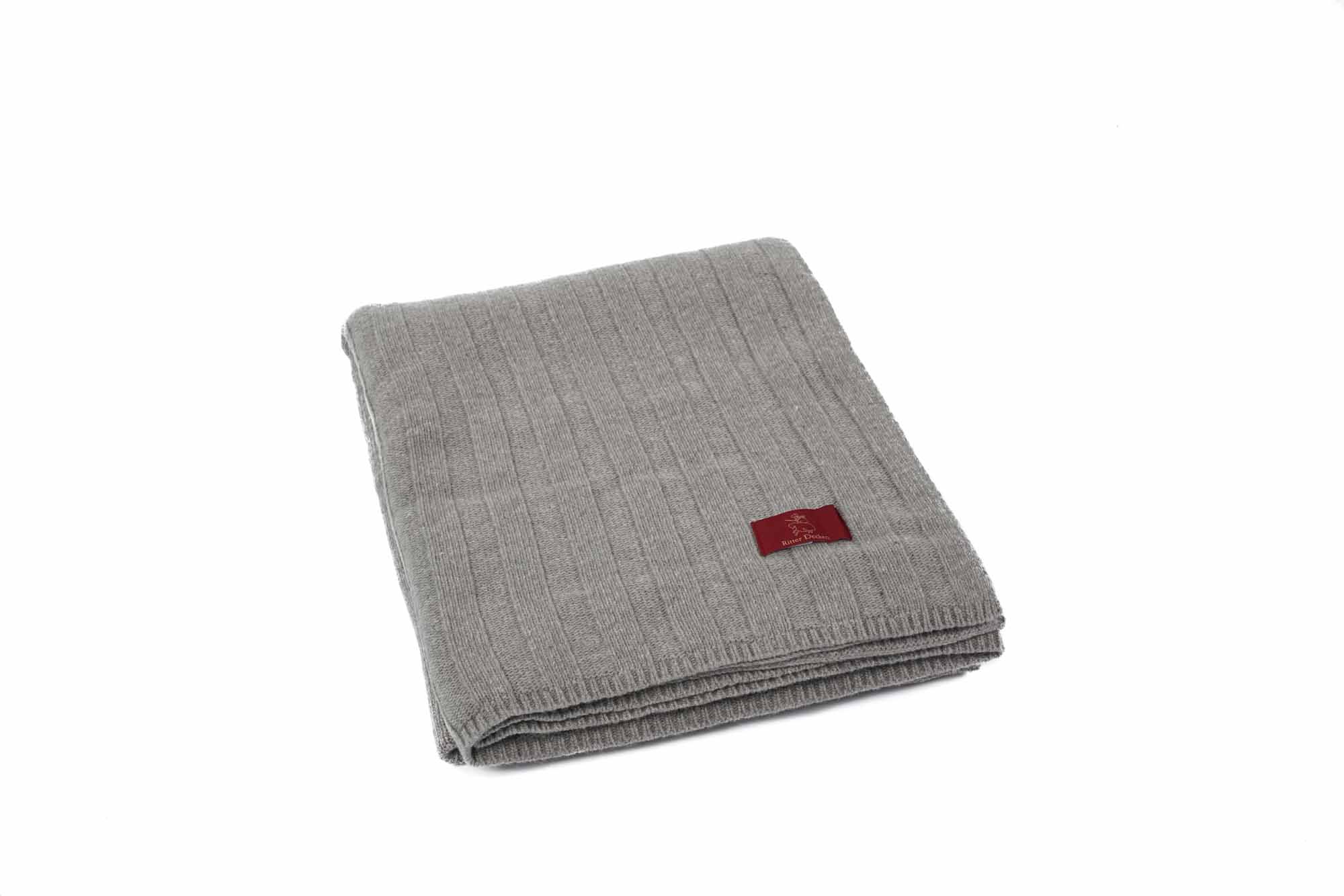


What is mulesing-free wool?
Mulesing-free wool is wool that is harvested or shorn without surgical removal of skin around the tail area of wrinkled skin sections. It often comes from sheep breeds such as Merino and Corriedale, which have been bred for their natural resistance to flystrike. This wool can be identified by its label, which indicates that it was produced without mulesing. Mulesing is performed exclusively in Australia. However, mulesing-free types are also offered in Australia. Merino wool comes from Merino sheep and is prized for its quality and fineness. Merino wools have a fineness of 17.5-24 microns and are very fine. Mulesing is not practiced outside Australia. Corresponding fine substitutes come from South America and are mulesing-free. In principle, it can be stated that wools from outside Australia are generally mulesing-free. Coarser wools are also generally mulesing-free, e.g., Gotland wool or German wool, but generally also South American wools, which can also be correspondingly fine.
Mulesing is a surgical procedure in the wool industry where the skin around a sheep's tail is cut off without anesthesia. The procedure was introduced to reduce the risk of flystrike but has since been widely criticized for its potential cruelty and lack of humane care.
Advantages of mulesing-free wool and products
The benefits of mulesing-free wool include improved animal welfare and production sustainability. Without the need for animal anesthesia or other medical treatments associated with the mulesing procedure, there is less risk of microbial contamination of the environment and impact on neighboring animals. Since mulesing does not involve shearing large areas of skin, there is also less risk of infection or scarring in the animal.
The origins of mulesing-free wool can be traced back to Australia, where this practice was introduced in the late 19th century. Since then, this method has become increasingly popular among farmers and businesses in Australia to produce wool without causing unnecessary suffering to the animals. Companies like Knight place great importance on animal welfare and sustainability when sourcing their wool, so customers can be sure that the products are made in a humane and responsible way.
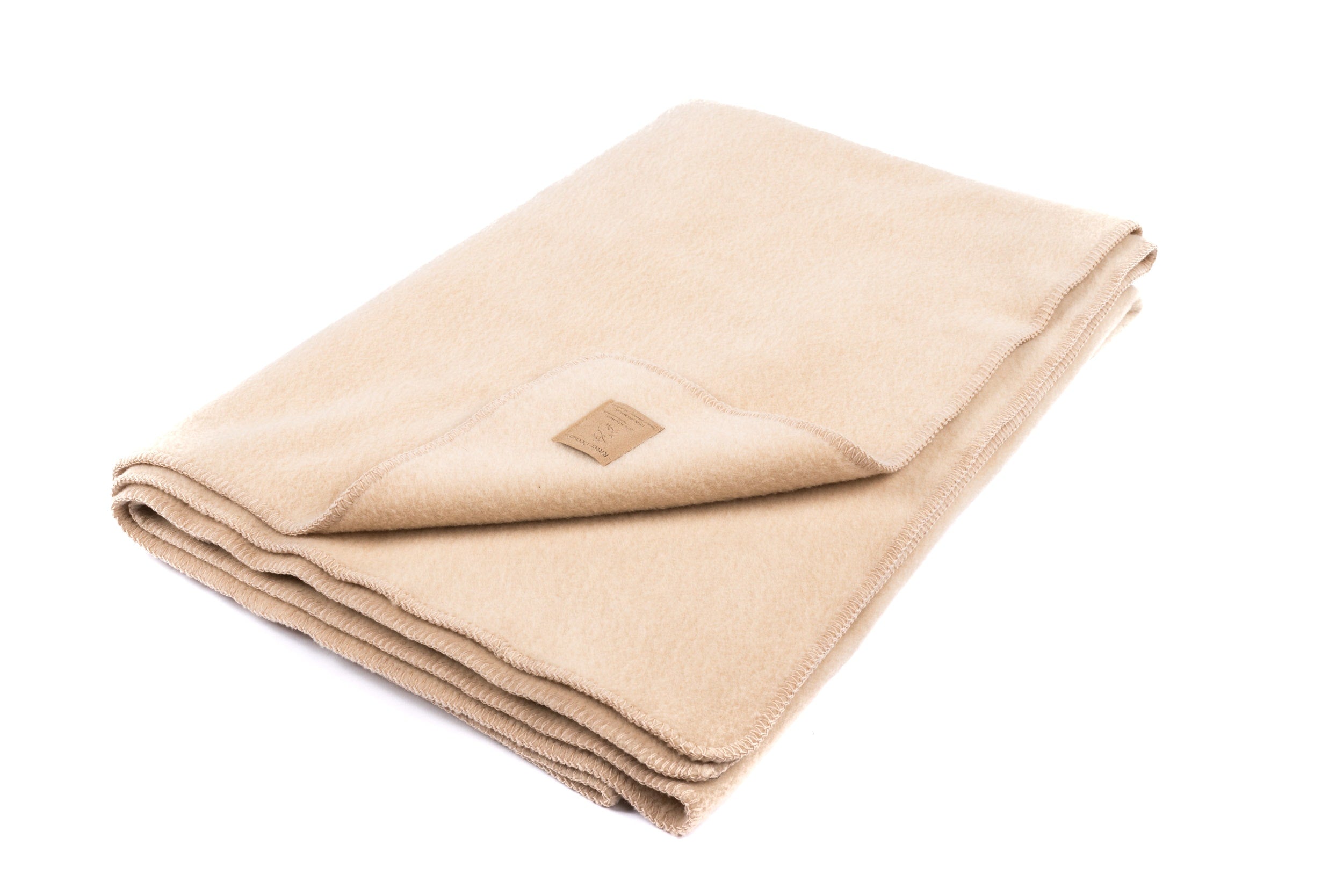
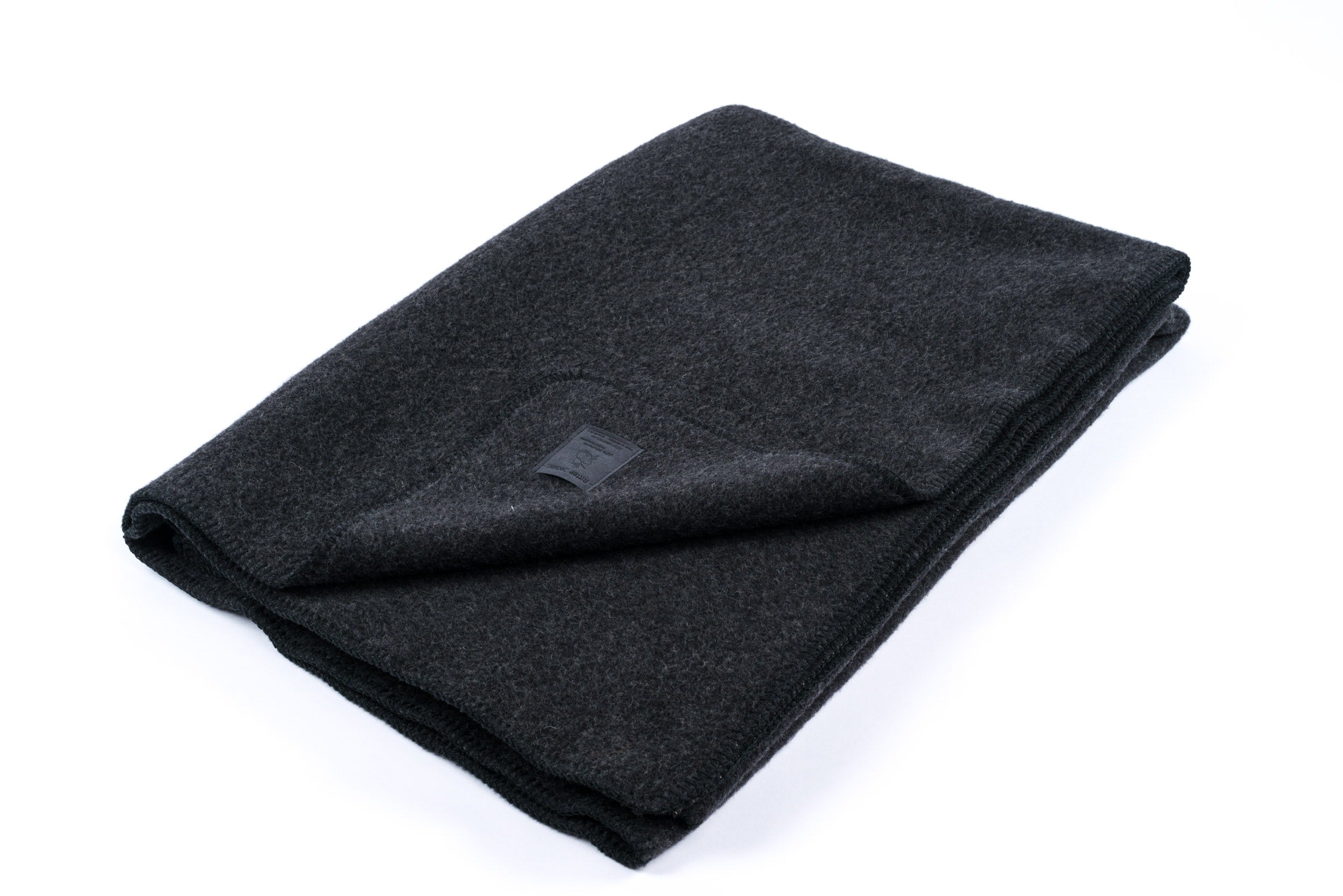
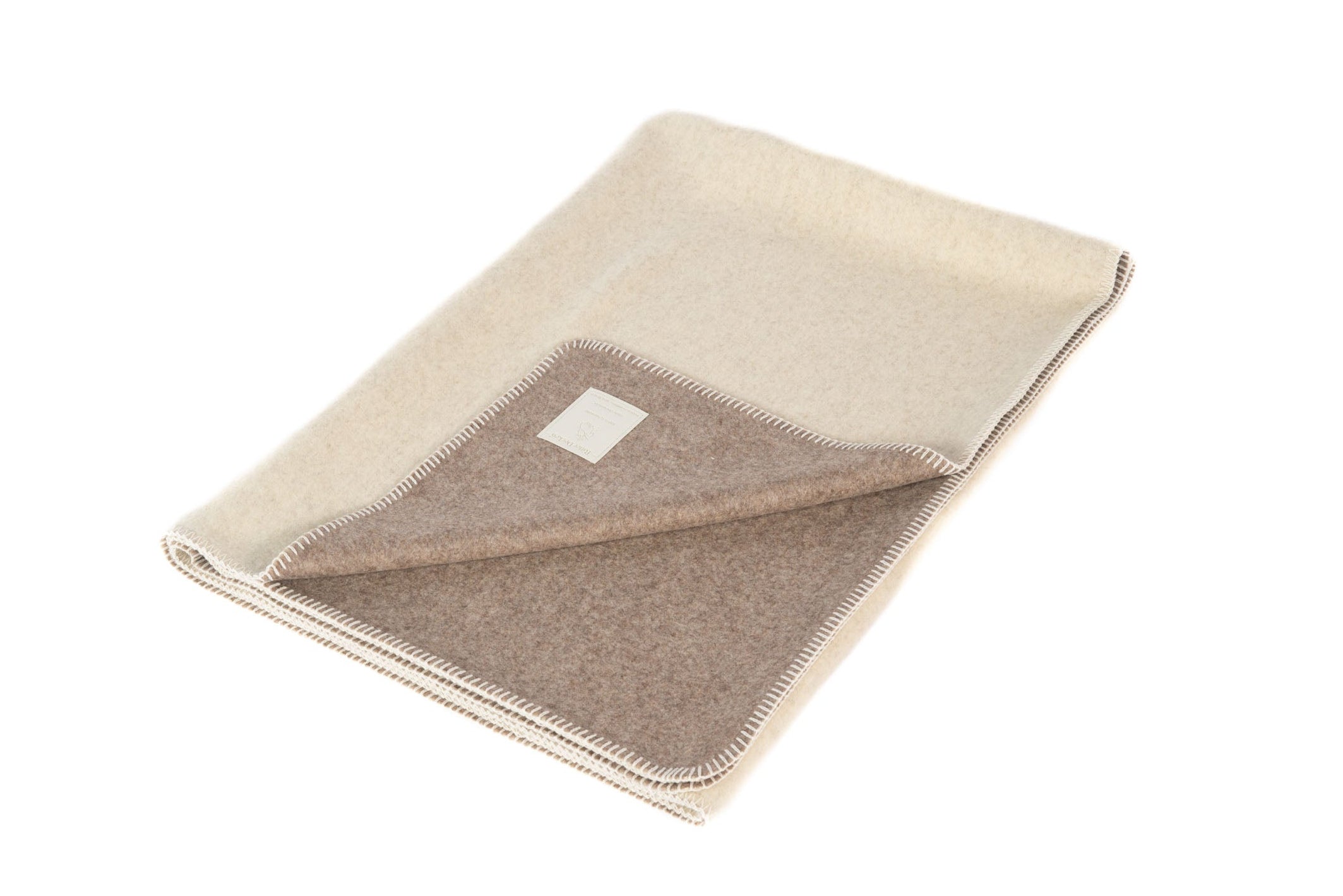
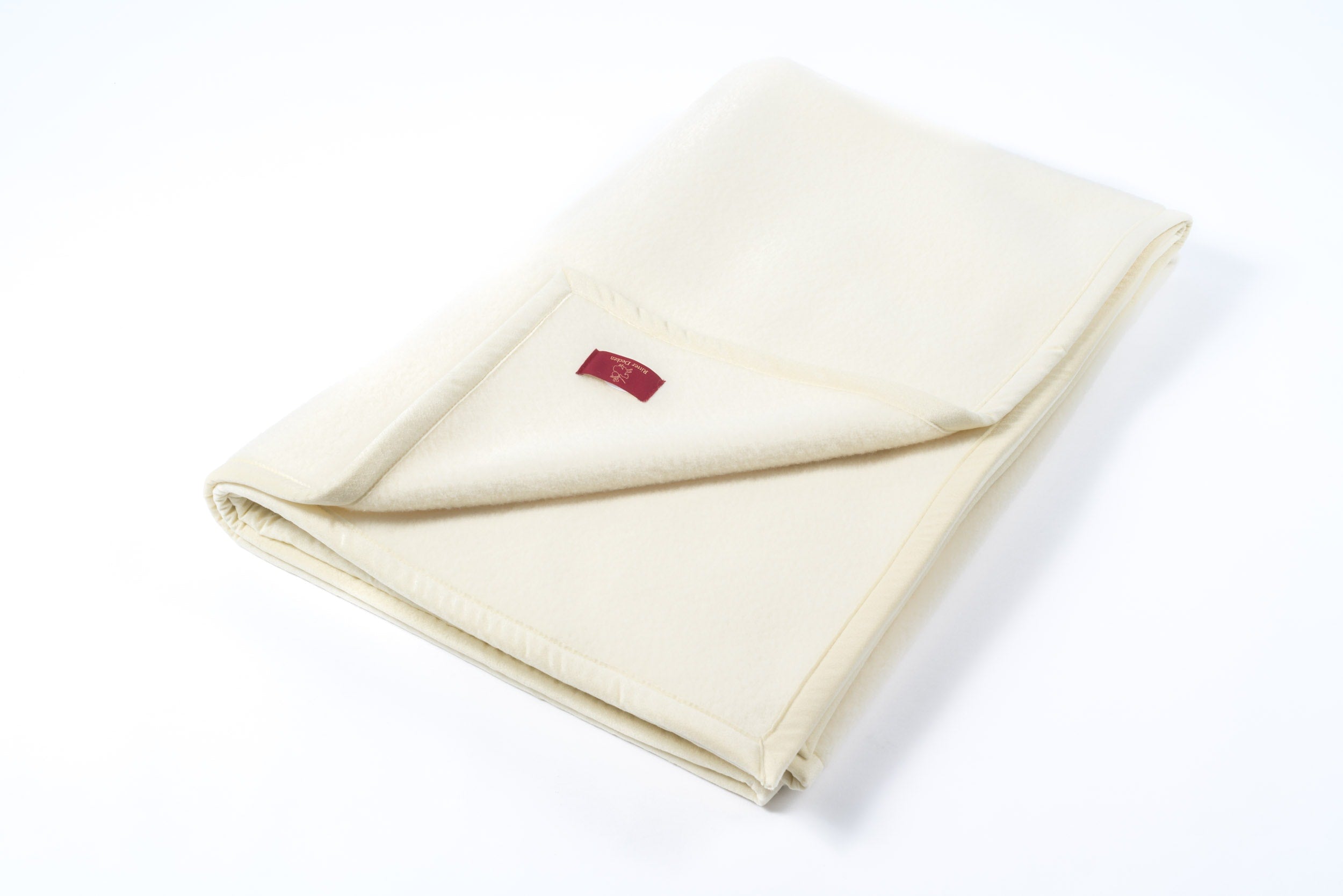
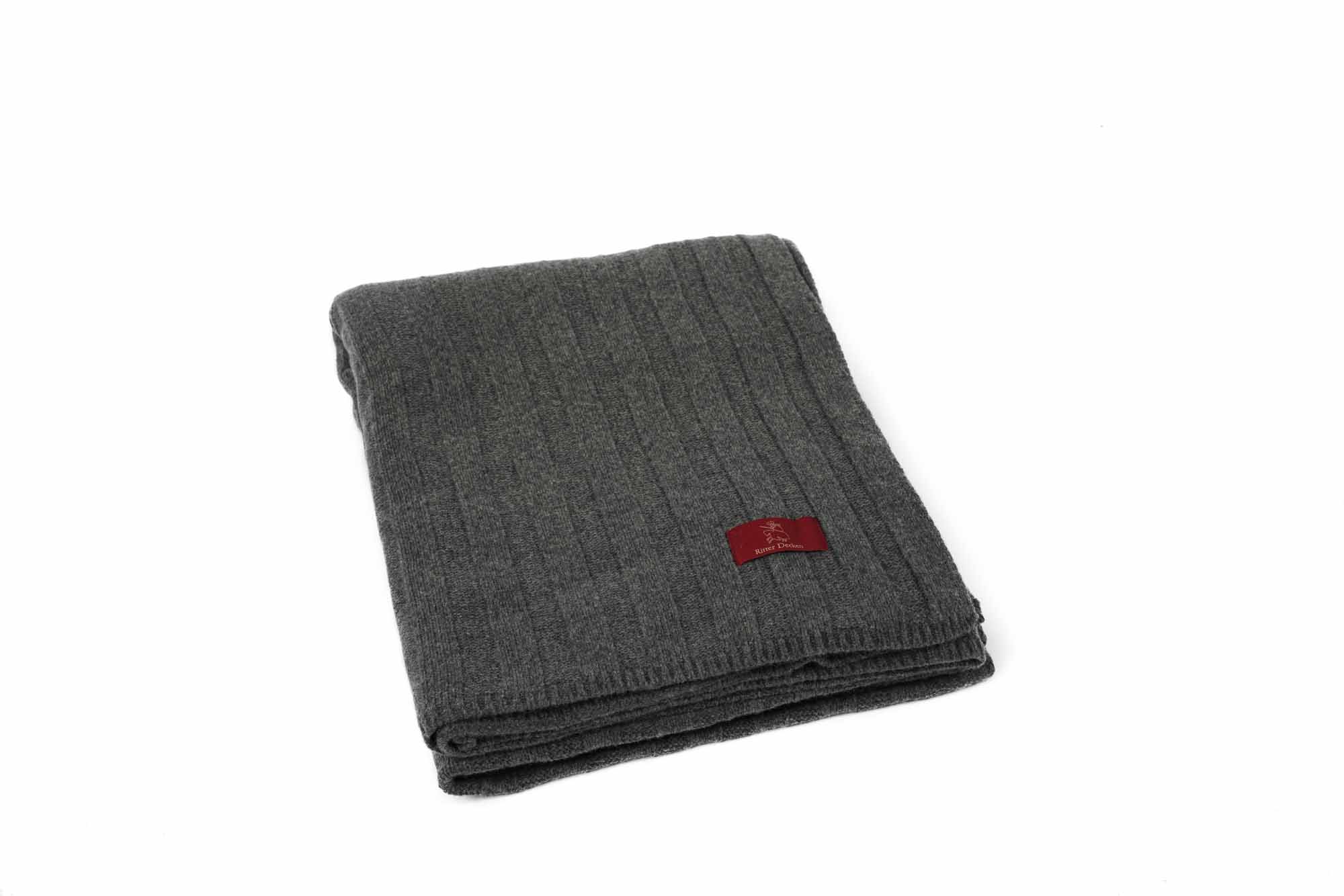
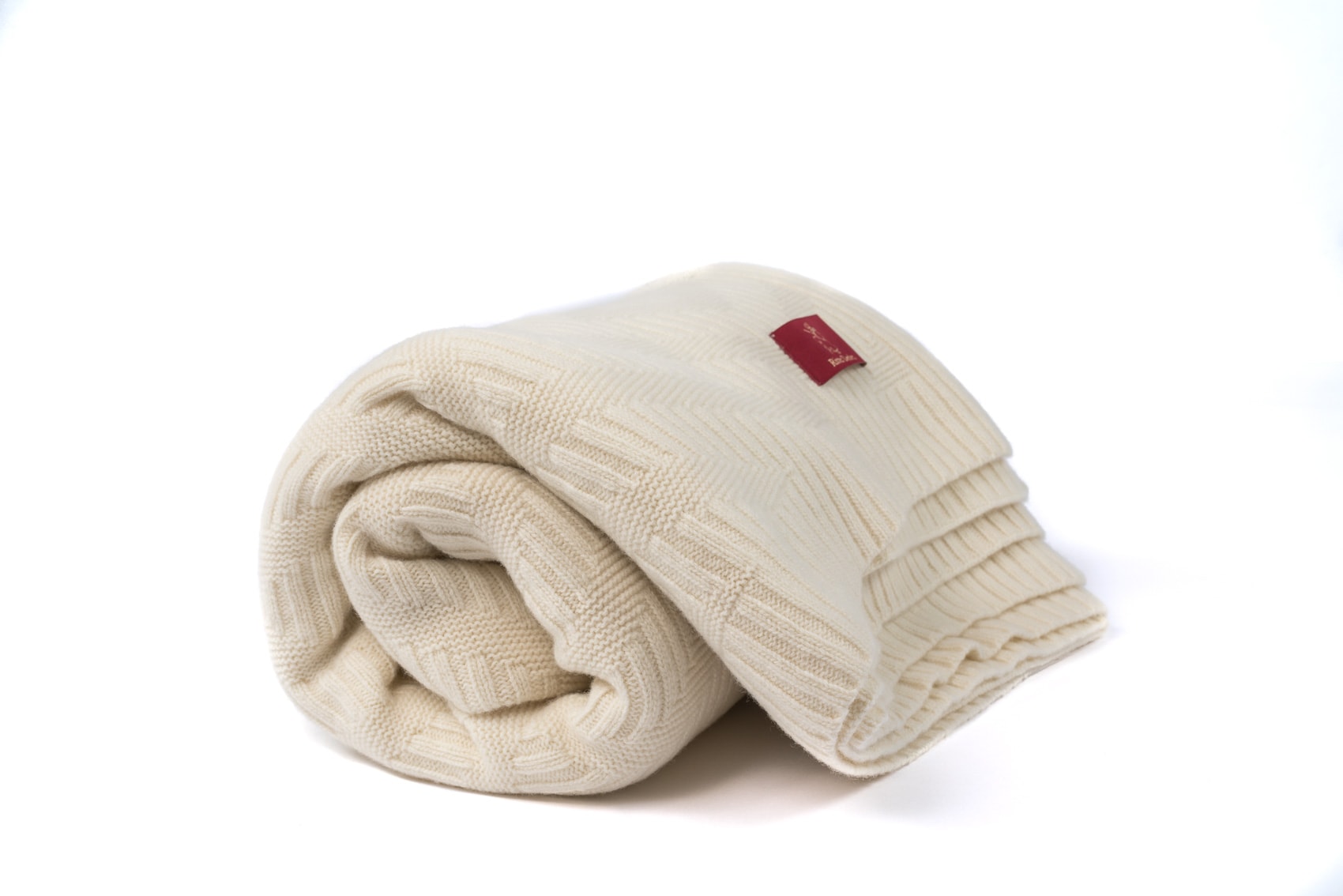
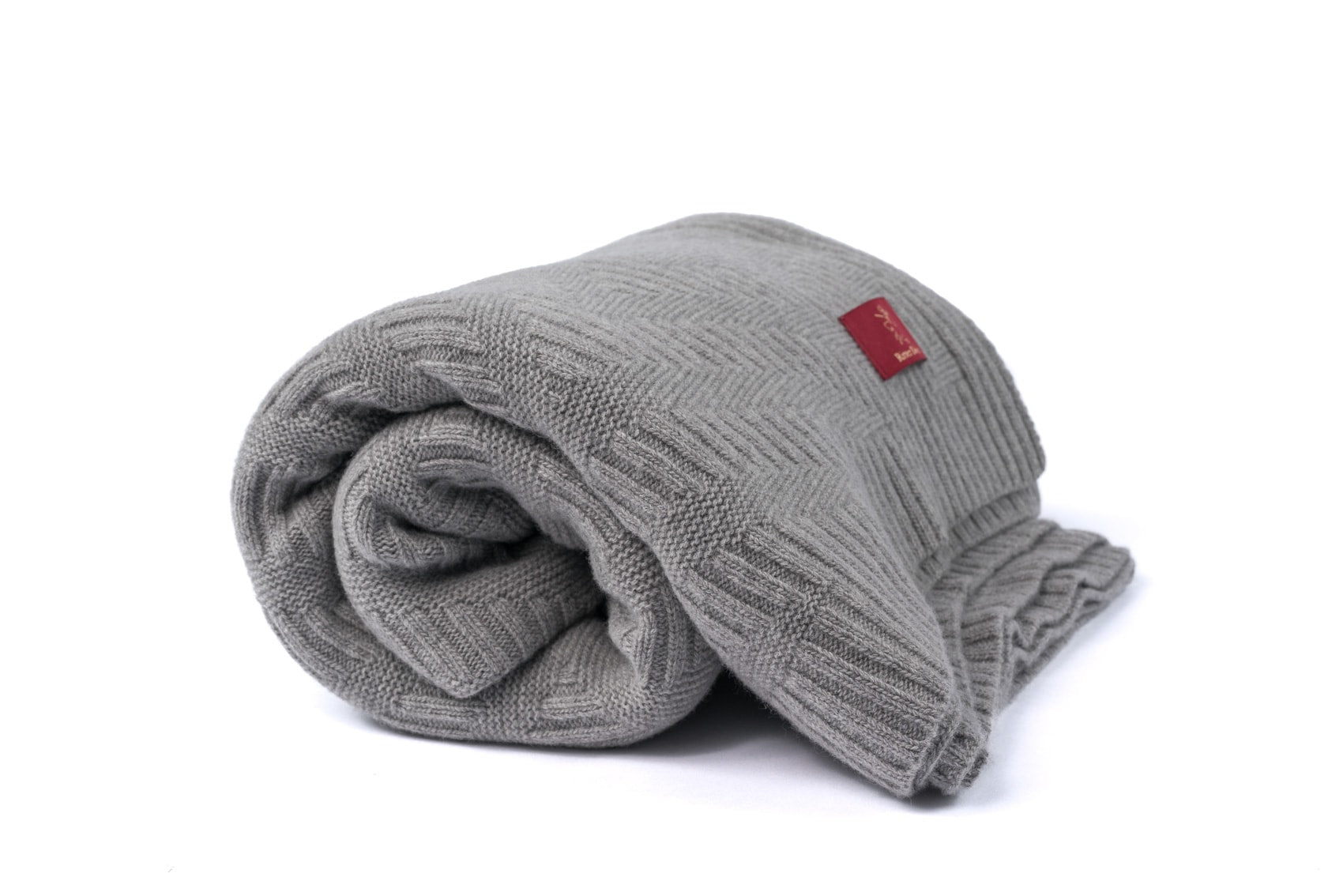
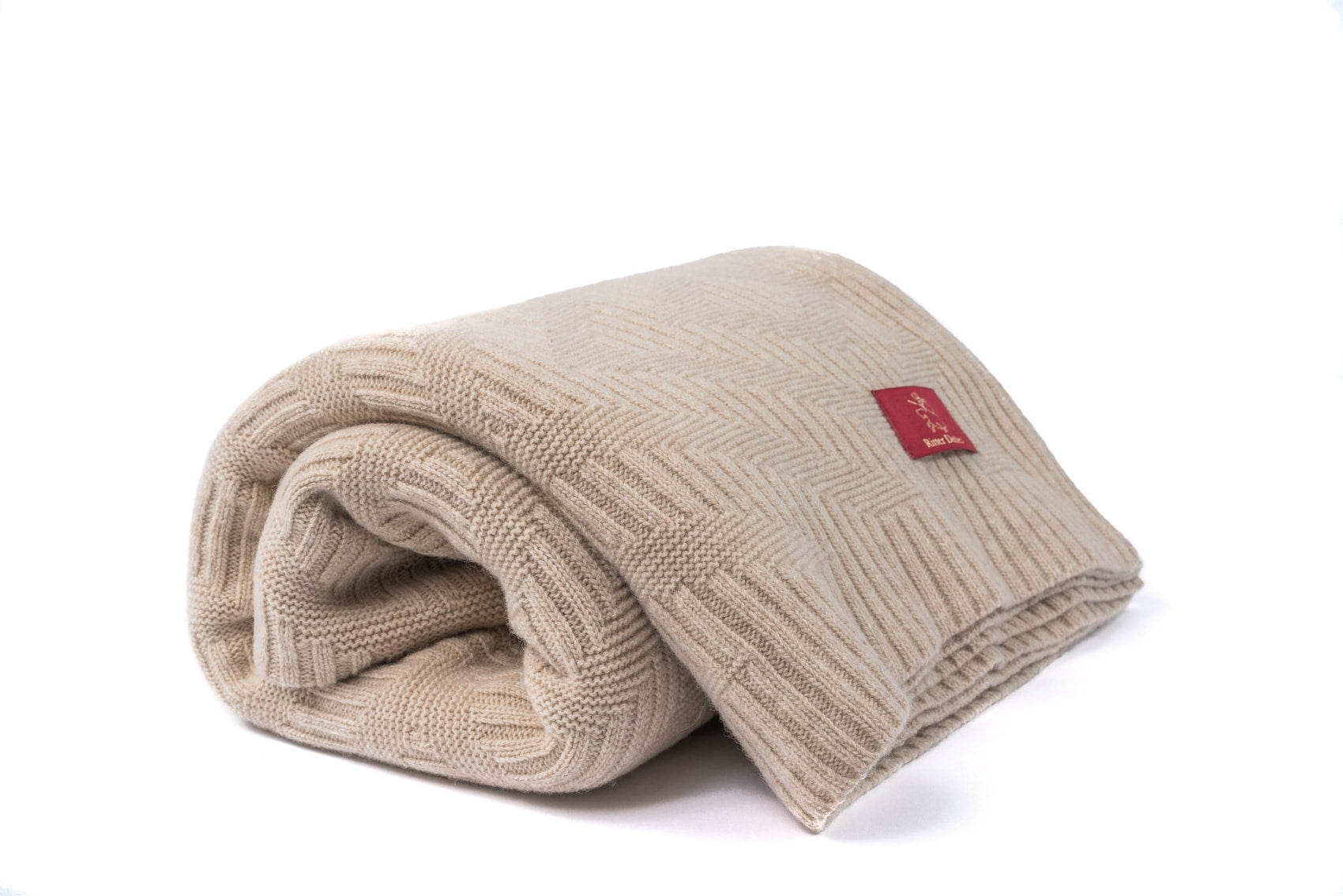
Mulesing-free wool is used for a variety of products, from blankets and duvets to sweaters and hats. The material is known for its softness, warmth, durability, and moisture-wicking properties. Due to its resistance to microbes, this type of wool is also ideal for people with sensitive skin and allergies.
When sourcing mulesing-free wool, it can be helpful to look for a label or certification from organizations such as the Ethical Wool Standard, which adheres to ethical standards for animal welfare and sustainability. Companies like Knight also work with certified farmers who are committed to keeping their animals as humanely as possible while promoting sustainable production methods.
Care instructions for mulesing-free products
Care instructions for mulesing-free wool blankets include washing the blanket in cold water on a gentle cycle and then air drying it flat in the shade without direct sunlight. Less frequent washing can help prevent wear and tear on the material and ensure its longevity. Additionally, storing blankets in a well-ventilated area can protect against mildew. By following these care instructions, you can enjoy the comfort and warmth of mulesing-free wool blankets for many years.
Why is Merino wool often mulesing-free?
Merino wool is the ideal choice for mulesing-free wool products due to its natural properties. This sheep breed has a dense, curly fleece that provides excellent insulation and warmth without being excessively bulky or heavy. Merino wool is also highly breathable and moisture-wicking, making it a good choice for blankets, sweaters, and hats designed to keep you warm and comfortable.
Merino wool is naturally resistant to flystrike, allowing farmers to produce the material without resorting to mulesing. In addition, this type of wool is incredibly soft and gentle on the skin, making it particularly suitable for people with skin allergies or sensitivities. When you choose mulesing-free Merino wool products, you can be sure that your purchase has been made ethically and without animal cruelty.
Buying mulesing-free wool and a brief conclusion
Mulesing-free wool is an ethically sourced wool that has become increasingly popular in recent years. It is produced without the painful and potentially dangerous mulesing procedure, which means no animals are subjected to this process. This type of wool offers many advantages over conventional wool production, such as better animal welfare, greater sustainability, and a soft and more durable product.
When looking for mulesing-free wool, it is important to look for certifications from reputable organizations such as the Responsible Wool Standard (RWS). These organizations certify that the product is ethically sourced and free from any animal cruelty. They also guarantee traceability throughout the supply chain and ensure that all materials used have been produced in an environmentally sound manner.
When purchasing mulesing-free wool, you can expect slightly higher prices than for regular wool, as the costs of ensuring ethical sourcing are higher. However, these higher prices come with additional benefits, such as greater comfort and better durability compared to other types of wool – the wool is not only softer but also significantly more resistant to wrinkling and shrinking over time. You can also be sure that your purchase has been made ethically and that the wool has been collected humanely.
Alternatives to mulesing-free wool
If you do not wish to purchase mulesing-free wool, an alternative is Shetland wool. Shetland sheep are native to the Scottish Shetland Islands, and their wool has been used for centuries for traditional Scottish knitwear. Shetland wool is known for its high quality and durability; it is exceptionally fine yet strong, with a unique luster and texture. It is extremely breathable and moisture-wicking, making it an ideal choice for blankets and sweaters. Furthermore, Shetland wool is naturally resistant to flystrike, meaning farmers do not have to resort to mulesing to keep the wool pest-free.
Another alternative to mulesing-free wool is natural hairs such as alpaca, camel hair, yak, or cashmere. Alpaca fibers come from the alpaca, a wild South American camelid related to the llama and vicuña. Alpaca fibers are lightweight yet incredibly warm, making them perfect for blankets or cold-weather clothing like hats and sweaters. Alpaca hair also has excellent thermoregulation, ensuring your body temperature remains comfortable regardless of the outside climate. Mulesing is not practiced on noble hairs.
Alternatively, synthetic fabrics like acrylic and polyester fibers can provide warmth without requiring animal cruelty or invasive procedures like mulesing. These fabrics are often cheaper than natural fibers like wool or alpaca but still offer insulation against cold weather. Synthetic fabrics also come in a variety of colors and textures, so you can find something that perfectly matches your style!
Wools and hairs processed into blankets offer higher sleeping comfort, higher moisture absorption and release compared to synthetic products. A pure wool blanket made of pure new wool immediately provides soothing warmth without heat build-up or sweating. In addition, wool or fine animal hair blankets can be recycled at the end of their life cycle and are naturally biodegradable. No microplastics (as with synthetically produced blankets) are released during production and washing, which accumulate in the food chain.
For the reasons mentioned, we recommend a natural hair product as a naturally renewable raw material of biological origin. You can find suitable blankets for cuddling, sleeping, and cozy relaxation in our shop.
