Yak (Wild cattle)
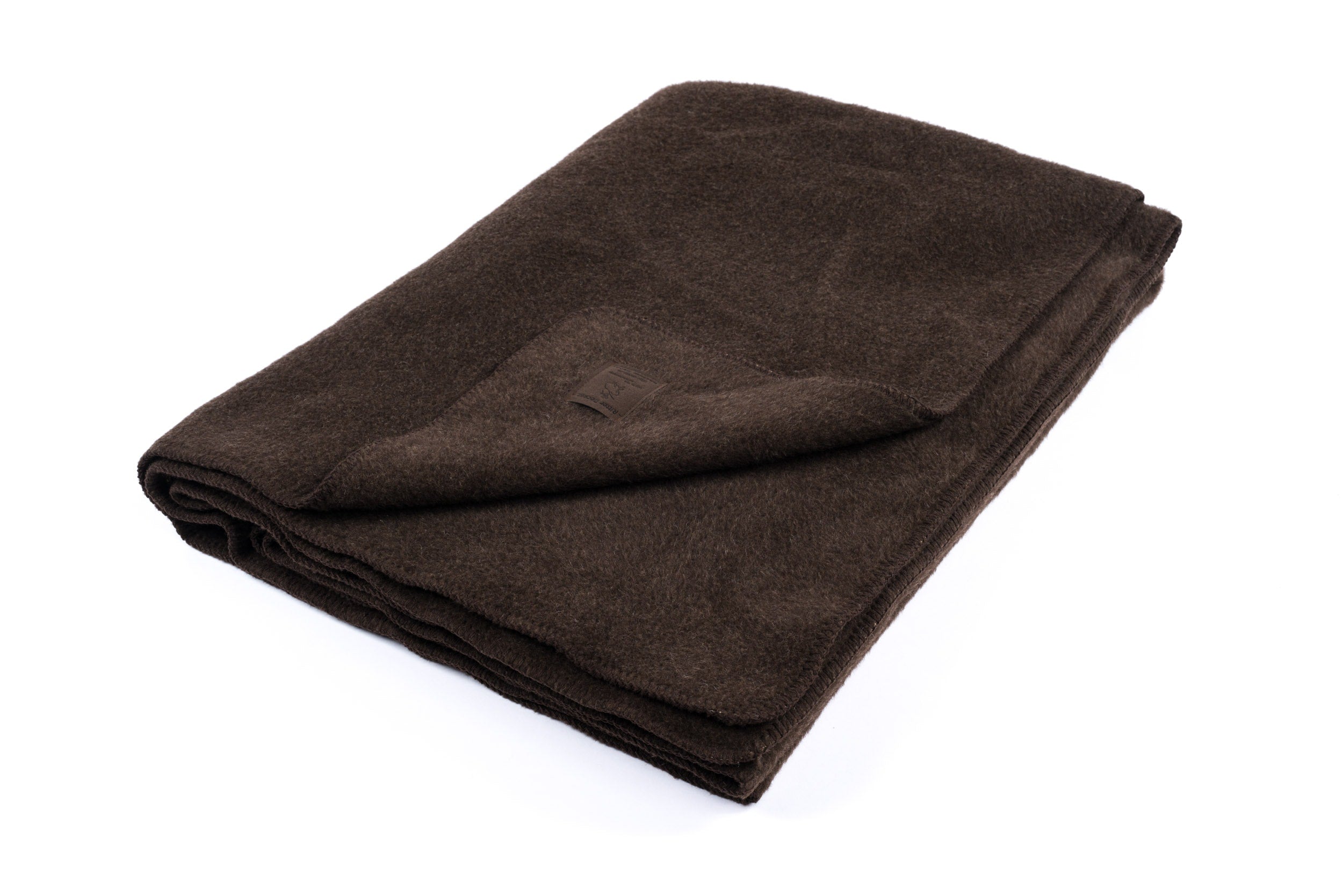
For years maligned as a cashmere substitute by the duvet industry, it can now be called by its true name. Ritter Decken were the first to process the fine yak hair into blankets and introduced them to the market several years ago.
Origin: Mongolia, Tibet
Global production
approx. 150,000 kg
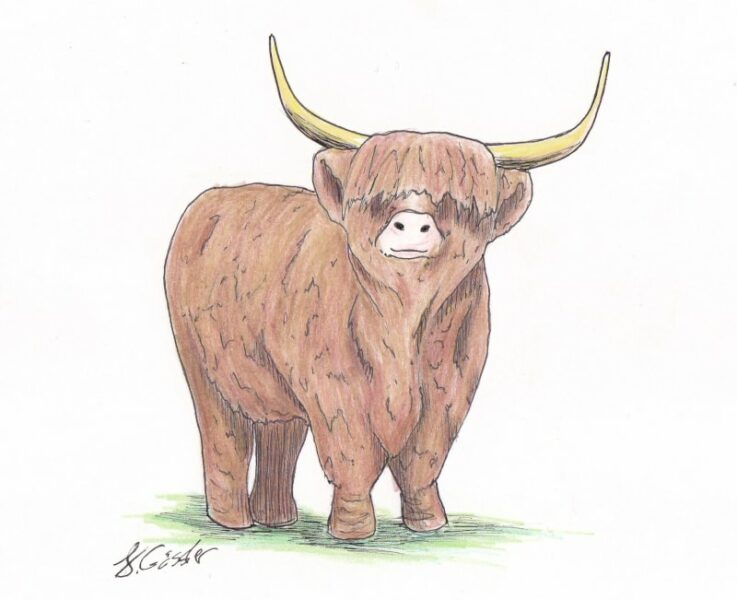
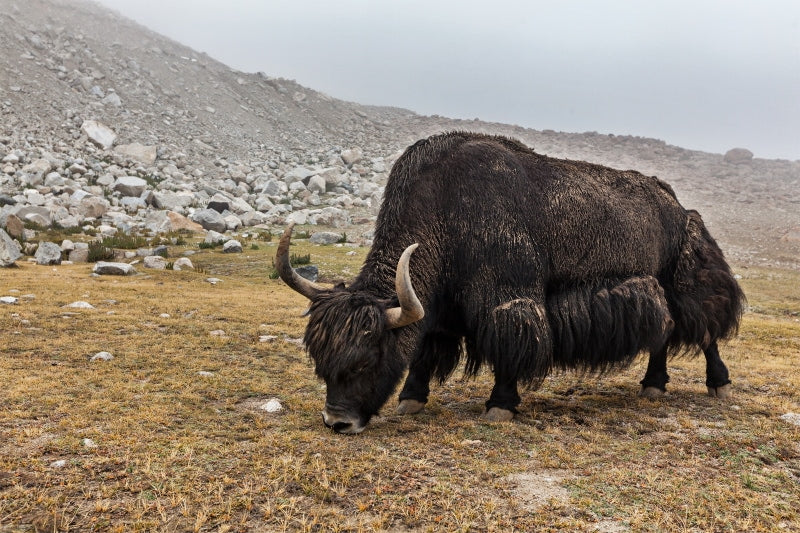
The yak lives with nomads in Mongolia and the highlands of Tibet at altitudes of 3500-5000 m (and Northwest Kansas). It is used there as a pack animal and, despite its imposing appearance, moves surprisingly skillfully even on narrow mountain paths. Butter is also made from yak milk. The often rancid yak butter is obligatorily added to black tea in Tibet as a treat and energy source, floating on top as a greasy eye.
The yak's dung is also used as fuel when dried.
The fine underhair of the yak is processed into blankets here.
It has a fineness of approx. 19 microns.
Length: 28-35 mm (longer qualities are very difficult to obtain and probably enter the market as cashmere)
Fineness: 19-23 microns
Color: dark brown
With appropriate know-how, you can achieve a uniquely fine blanket quality with a typical dark brown hue.
Price: currently approx. 34-38 Euro/kg for fine and sufficiently long qualities (unspun). Dependent on the Euro/Dollar exchange rate.
Dehaired yak hair is strikingly similar to Iranian and Afghan cashmere and has been used accordingly.
Yak Blankets | Yak Wool, Yak Hair