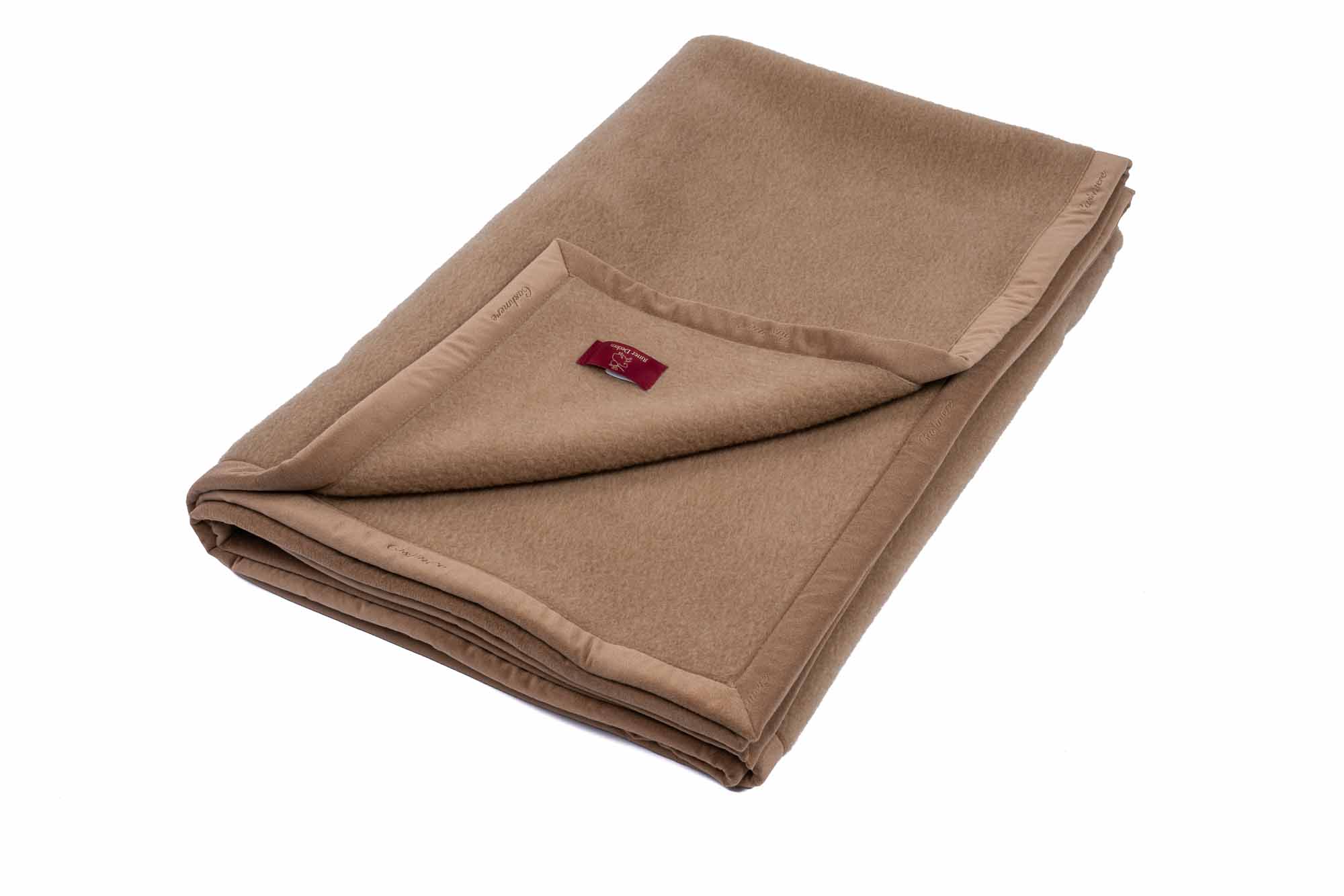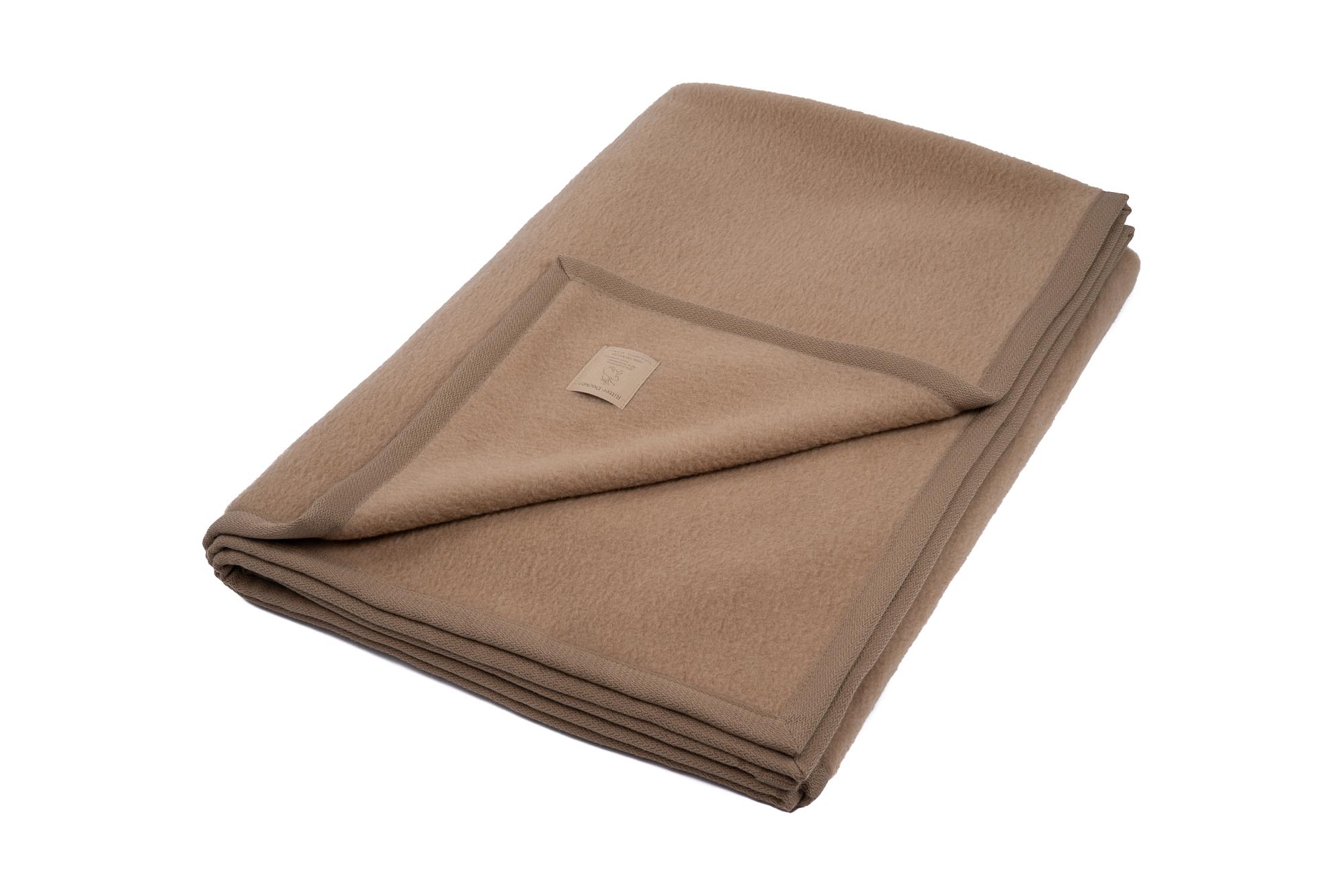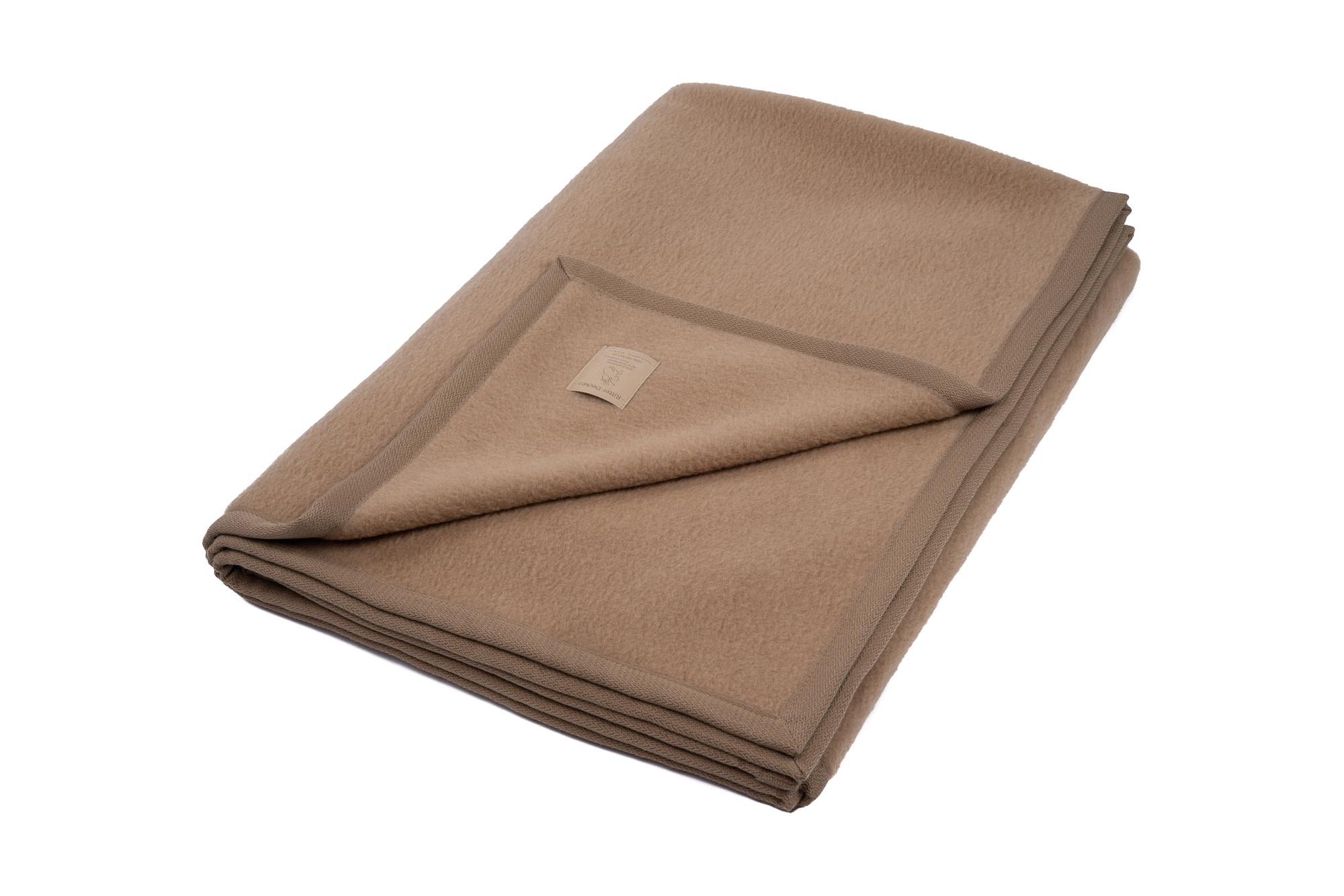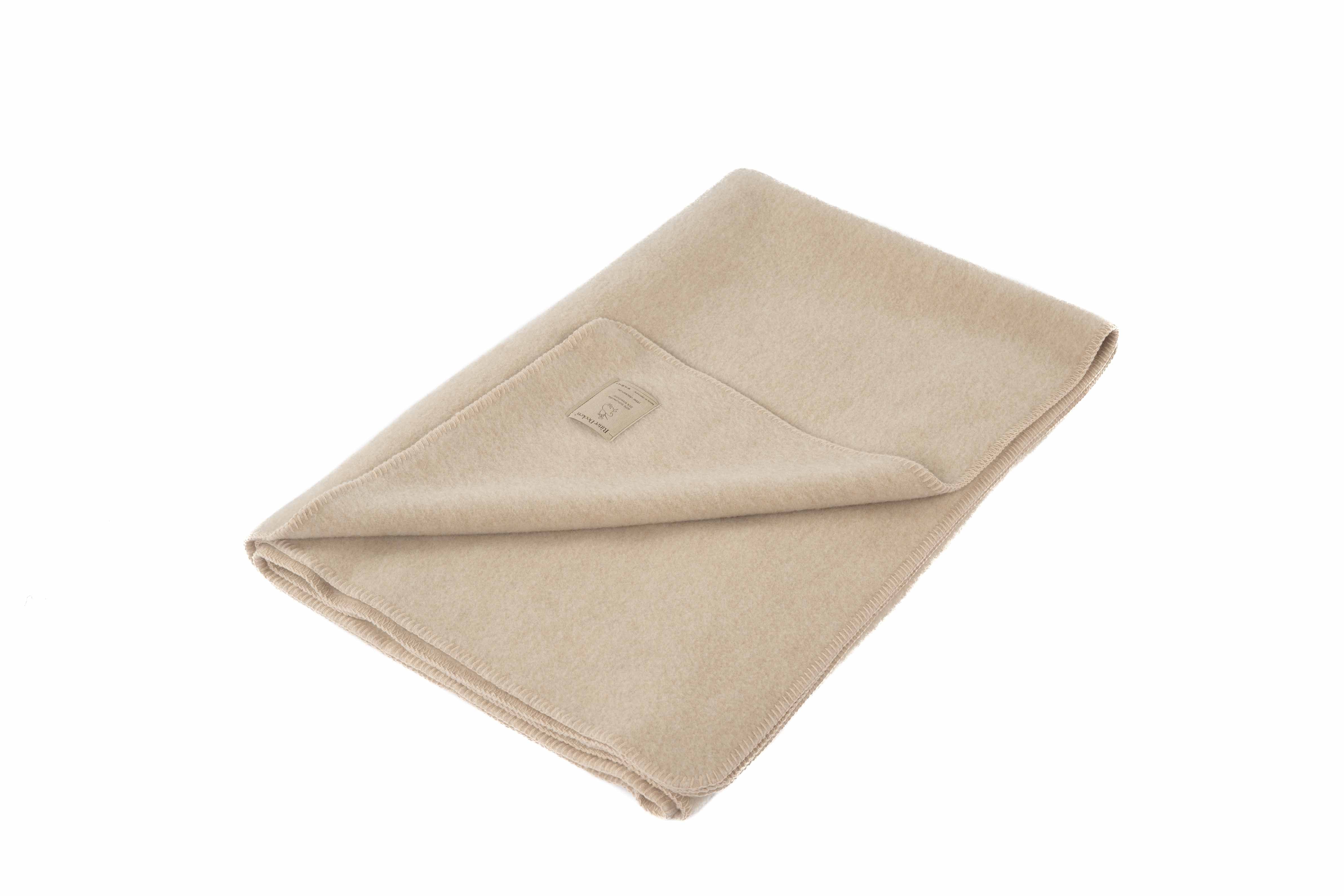
Cashmere
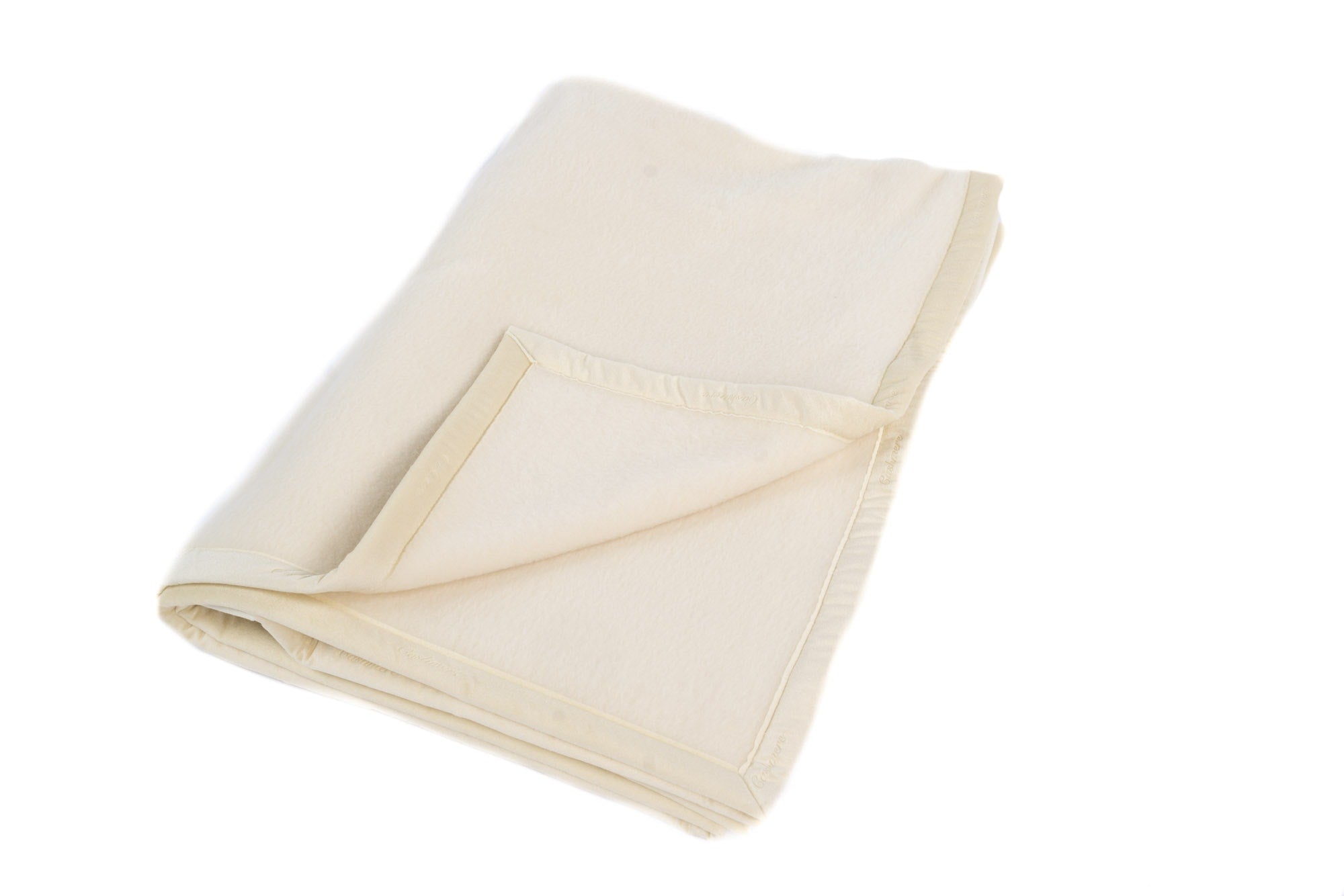
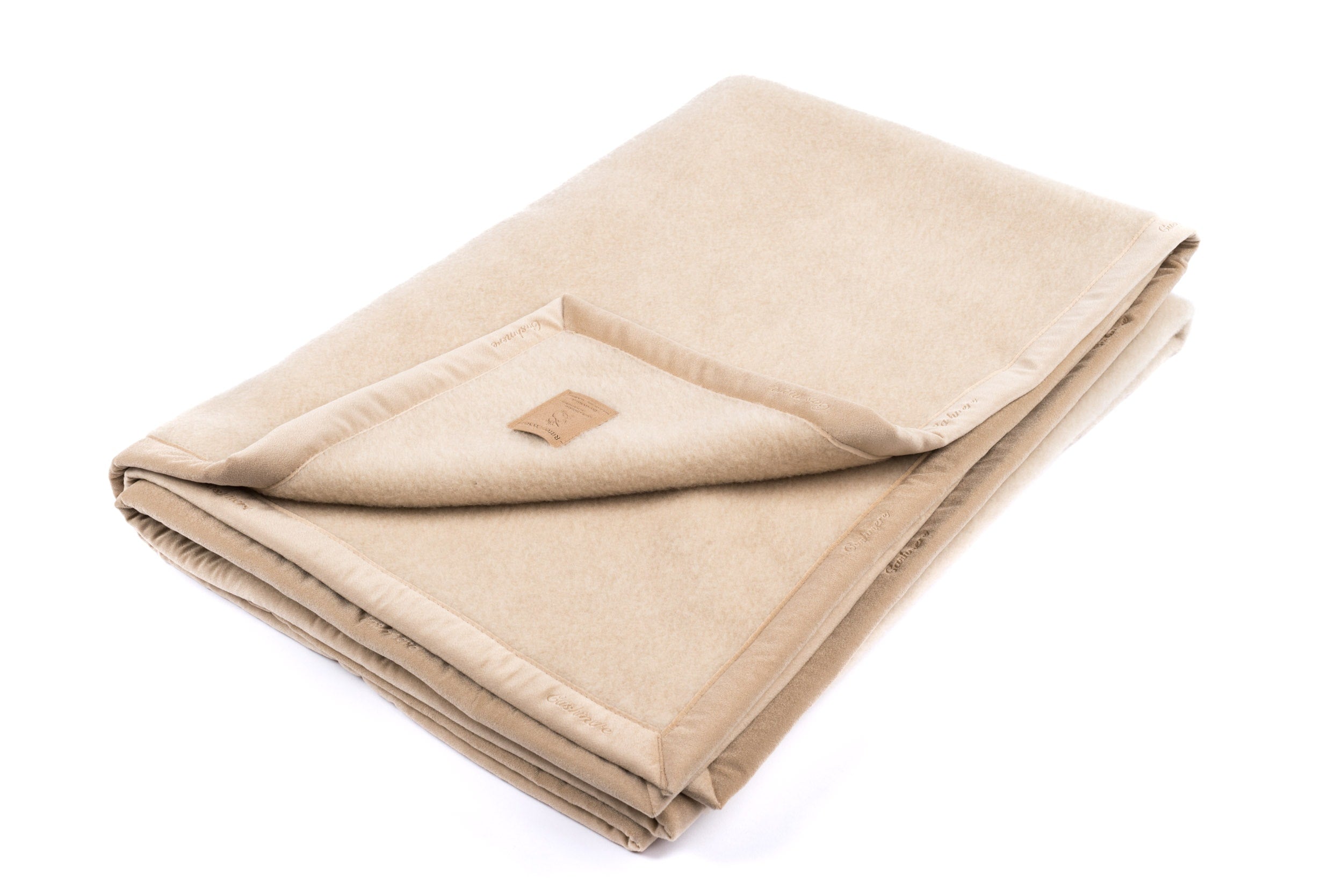
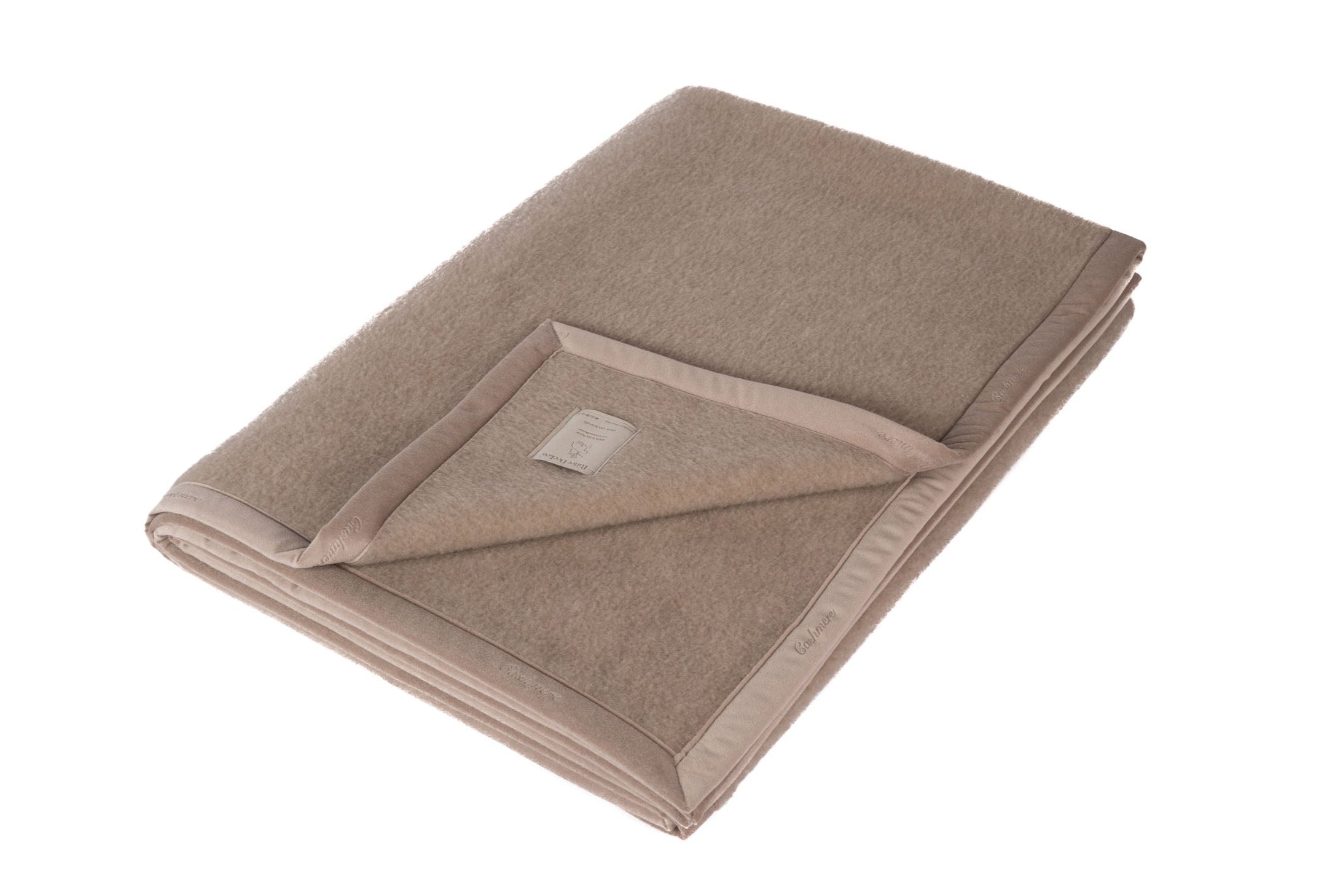
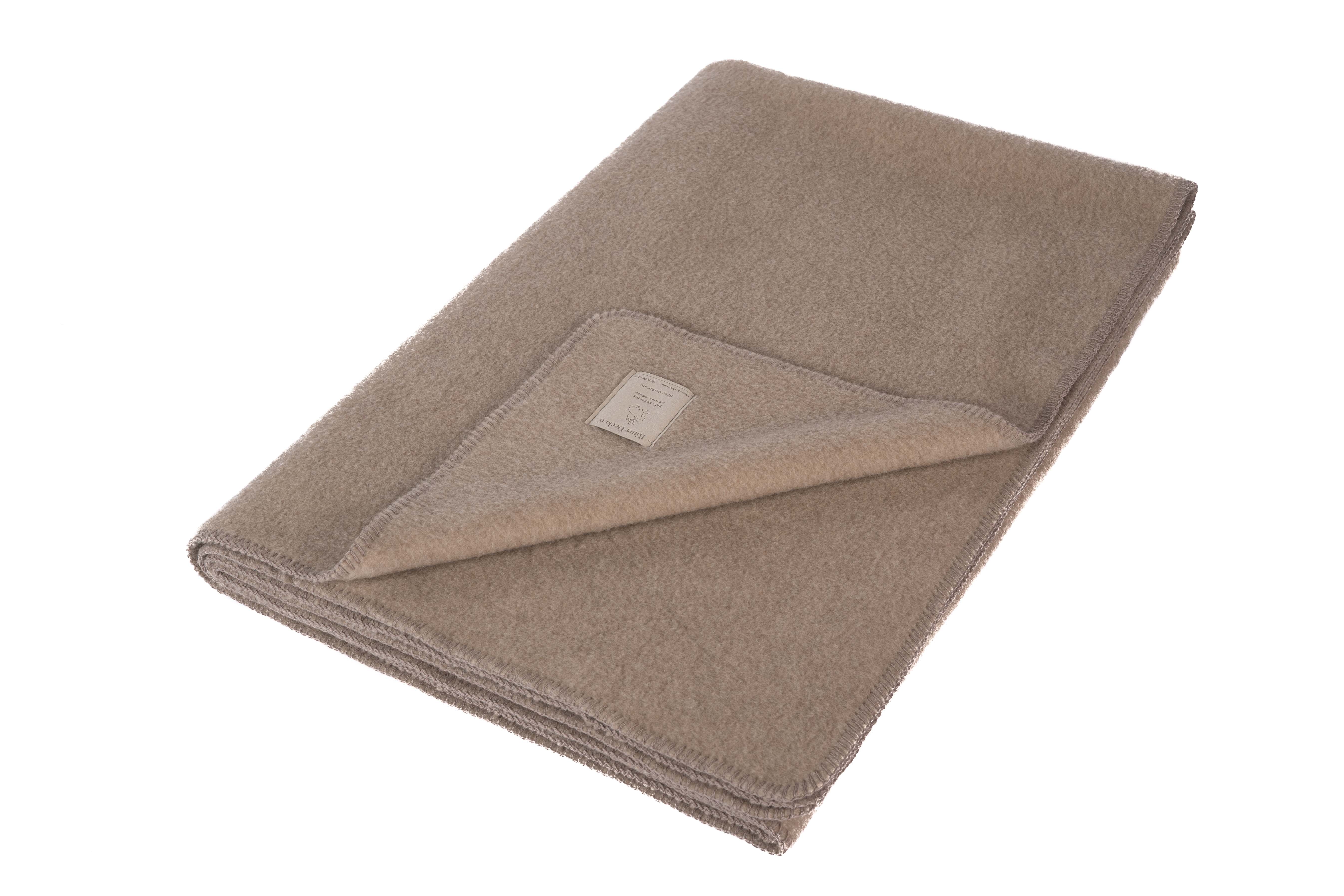
Tip for all men who are, or would like to be: give your wife or girlfriend a Ritter cashmere blanket, she will thank you and be delighted. As a true outdoor adventurer, a coarse virgin wool or a yak blanket, with a puristic overlock edge, is sufficient for you. And if you personally decide on a cashmere blanket, just don't tell anyone.
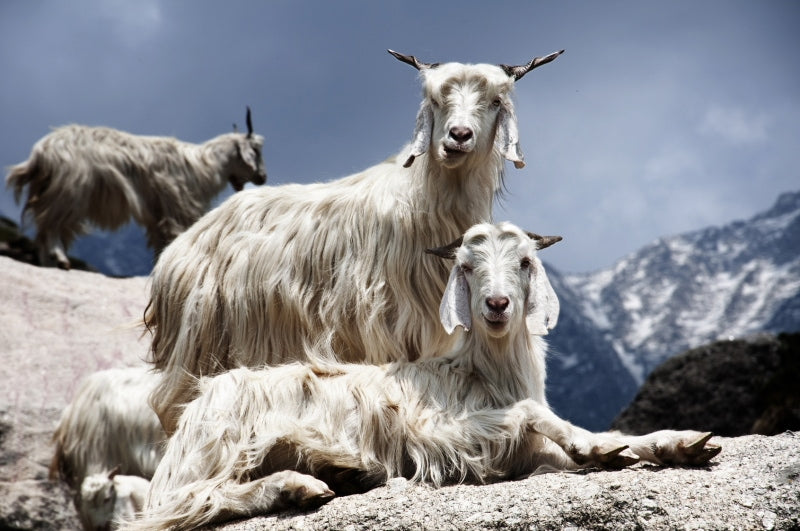
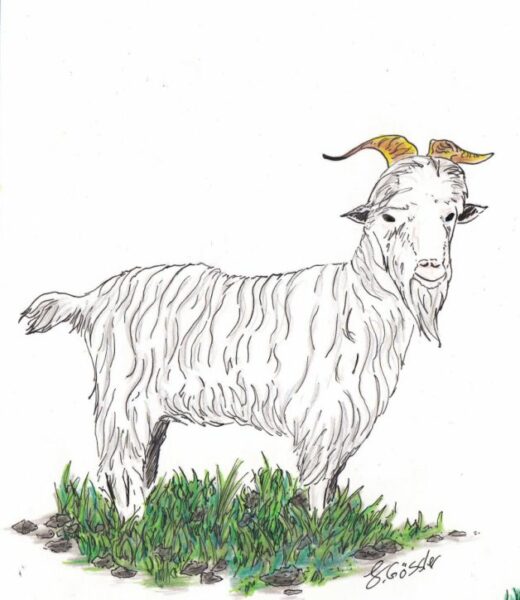
Cashmere is the fine undercoat of the goat. The cashmere goat has adapted to the extreme climatic conditions in China, Mongolia, Iran and Afghanistan.
The goats only develop the fine undercoat when exposed to the extreme climatic conditions that prevail there, i.e. icy temperatures at night and sometimes hot days.
Global Production
10 million kg
approx. 45% from Mongolia
approx. 45% from China
approx. 10% from Iran, Afghanistan, Turkey and Russia
Cashmere articles are luxury goods known for their softness, fineness and suppleness.
The qualitative assessment of cashmere can be simplified as follows:
- Length: the longer, the more expensive; for blankets, a minimum length of 32 mm is required.
- Colour: the lighter, the more expensive; all vibrant colours can be dyed from light colours.
- Fineness: the finer, the more expensive, depending on the percentage of guard hairs and awn hairs and the provenance. The best qualities are "de-haired" up to 0.2%.
- De-hairing degree: correlates with fineness.
- Proportion of coloured hairs: plays a role in white, counted in pieces/gram.
- Homogeneity (length distribution in the bar chart)
- Provenance
- Styles
- Purity
These qualitative assessments can be tested quite well by hand and by eye before further processing, but require sufficient experience.
Production
An estimated 40-50% of cashmere is processed into finished products in China. Their own demand for luxury goods is growing. A main item primarily exported by China to America is the cashmere sweater, which is available on department store shelves every year before Christmas. There is nothing wrong with the price. Personally, however, I bought a more expensive light wool sweater from a well-known brand, with the goal of it lasting longer than one season.
The best and longest qualities go into knitting yarn products. In Italy, around Biella (known for high-quality cashmere products), up to 20-25% of the world's production is processed. Companies like Loro Piana were bought by the luxury brand LVMH for 2 billion Euros to ensure that this know-how remains available in Italy for fashion and luxury goods and is profitably marketed.
For blankets, the requirements for cashmere are just as high because a good length is needed. A pile needs to be created, and there must still be sufficient anchorage in the base. Short cashmere of, for example, 22 mm would partly fall out under the machines during production, would only achieve low strength, and would be poorly anchored in the ground fabric due to insufficient length. In technical jargon, this is called "snuff"... Furthermore, one would have to work with high twist coefficients to achieve sufficient strength. Strongly twisted yarns are more difficult to nap and are then also more damaged. Therefore, quality is important when selecting cashmere, provided one does not want to turn the price and quality spiral downwards.
Good cashmere products cannot be cheap, because the high-quality raw material itself is already correspondingly expensive. This quickly becomes clear when one considers that a beautiful cashmere blanket like our Kirman Schah article, for which approximately 1.4 kg of cashmere is needed (i.e., about 7 times the amount needed for a light cashmere sweater).
According to the American definition, cashmere must be finer than 18.5 microns. This ensures a distinction from coarser cashmere varieties and is fundamentally acceptable.
The Wool Research Institute in Aachen (under the former direction of Dr. Phan), with the help of DNA analysis and the scanning electron microscope, applied the strictest standards and carried out significant development work for evaluation and test methods. Surface texture, scale frequency, and scale edge height, as well as the appearance of the scale structure, were also thoroughly examined, and unique characteristics were assigned to the different fine animal species.
Raw Material
Among experts, the saying goes: "anything tested as cashmere in Aachen is undoubtedly cashmere." However, not everything tested as "not cashmere" in Aachen is undoubtedly "not cashmere."
Until now, cashmere was only examined using fineness and microscopic images, which required corresponding experience from the examiner. Thus, differing test results for the same test sample were not uncommon.
Good raw cashmere dealers in Europe know the level of impurities through tests, contacts in China, and years of cooperation with individual testing laboratories.
Experience shows that short white cashmere, e.g., 22 mm, often used in fabric blends, frequently has wool content mixed in from China, with varying percentages of bleached fine wools that are still stretched. The stretching and bleaching of the wool are intended to imitate the appearance of cashmere under the microscope. Quite clever of the Chinese. But it only fools laypeople.
Therefore, "Cashwool" is now also honestly offered in 100%, which is nothing more than a fine bleached wool that is additionally stretched. It is intended to imitate cashmere.
If you like it, fine, but I don't think much of modified wools because, due to the modification alone, their properties are no longer convincing and, ultimately, they are still far from the original.
High-quality long-staple cashmere varieties, on the other hand, are hardly affected by manipulation.
Cashmere blankets