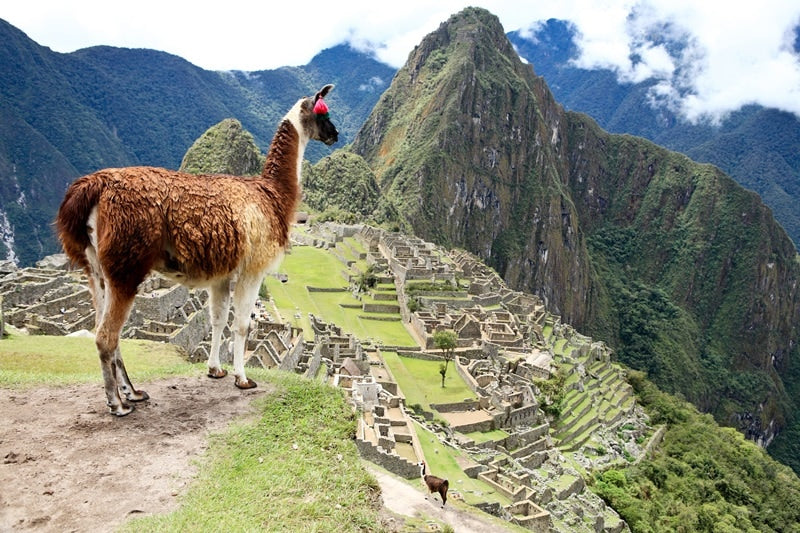
Alpaca
Still the classic in natural fibre blankets and our bestseller.
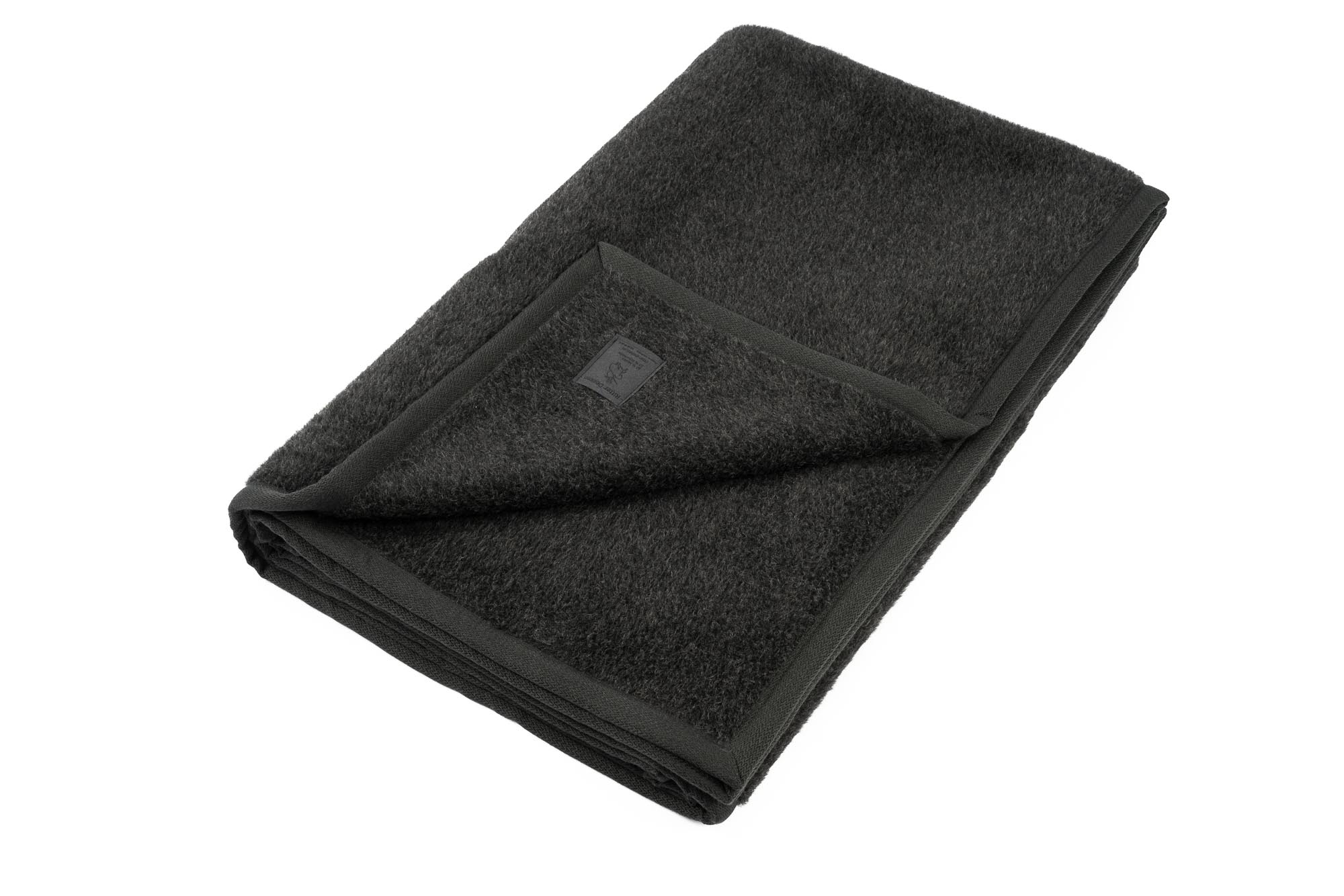
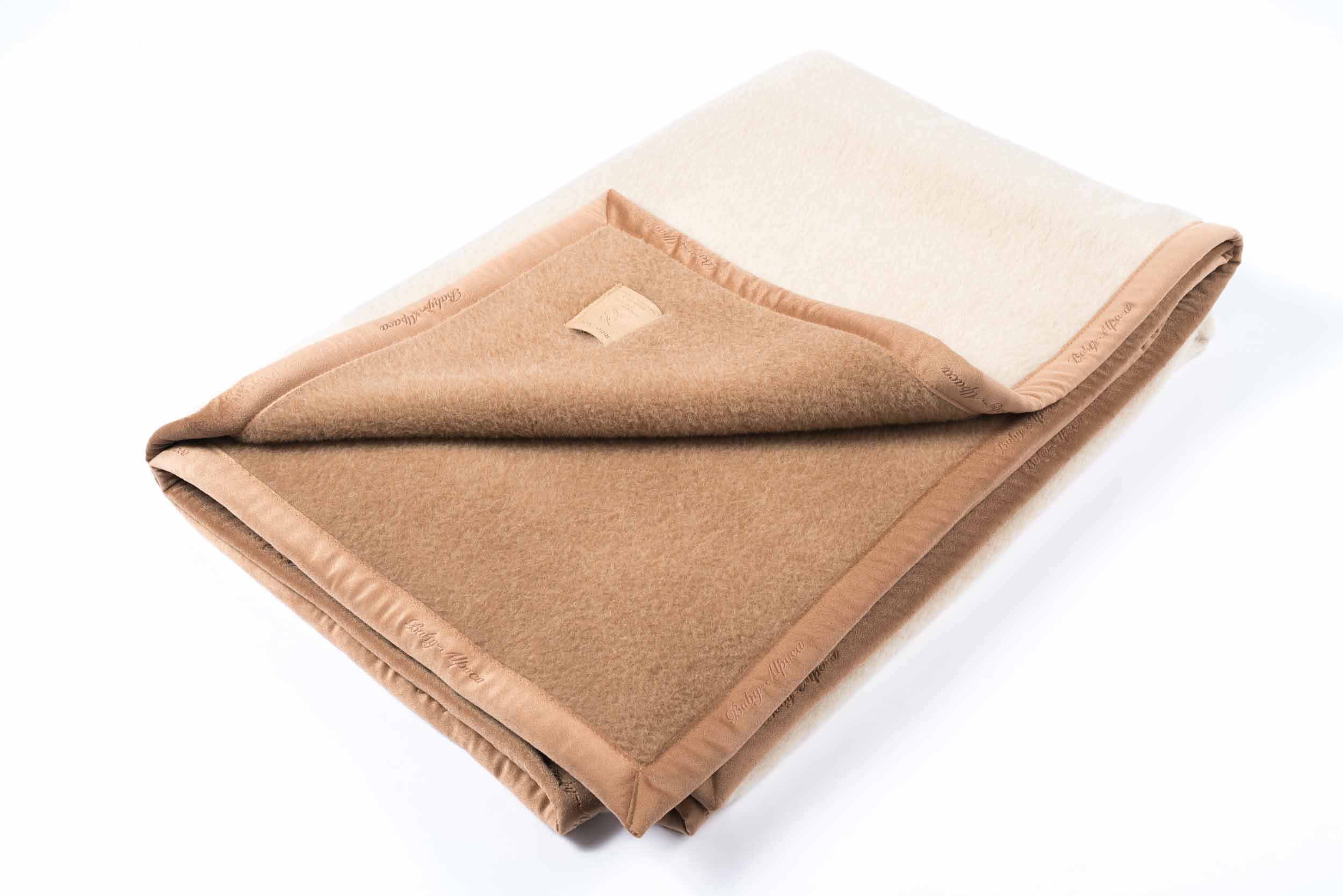
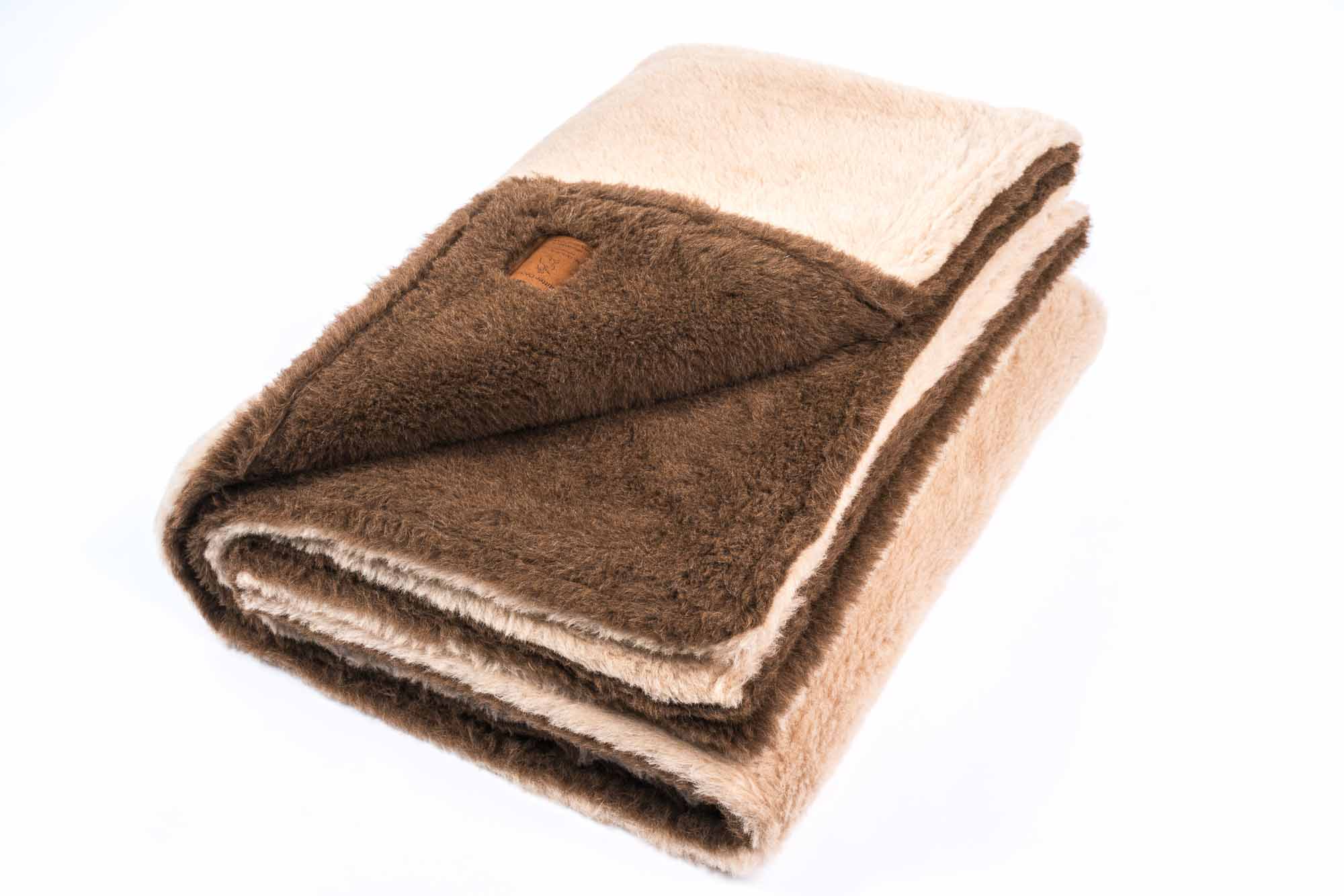
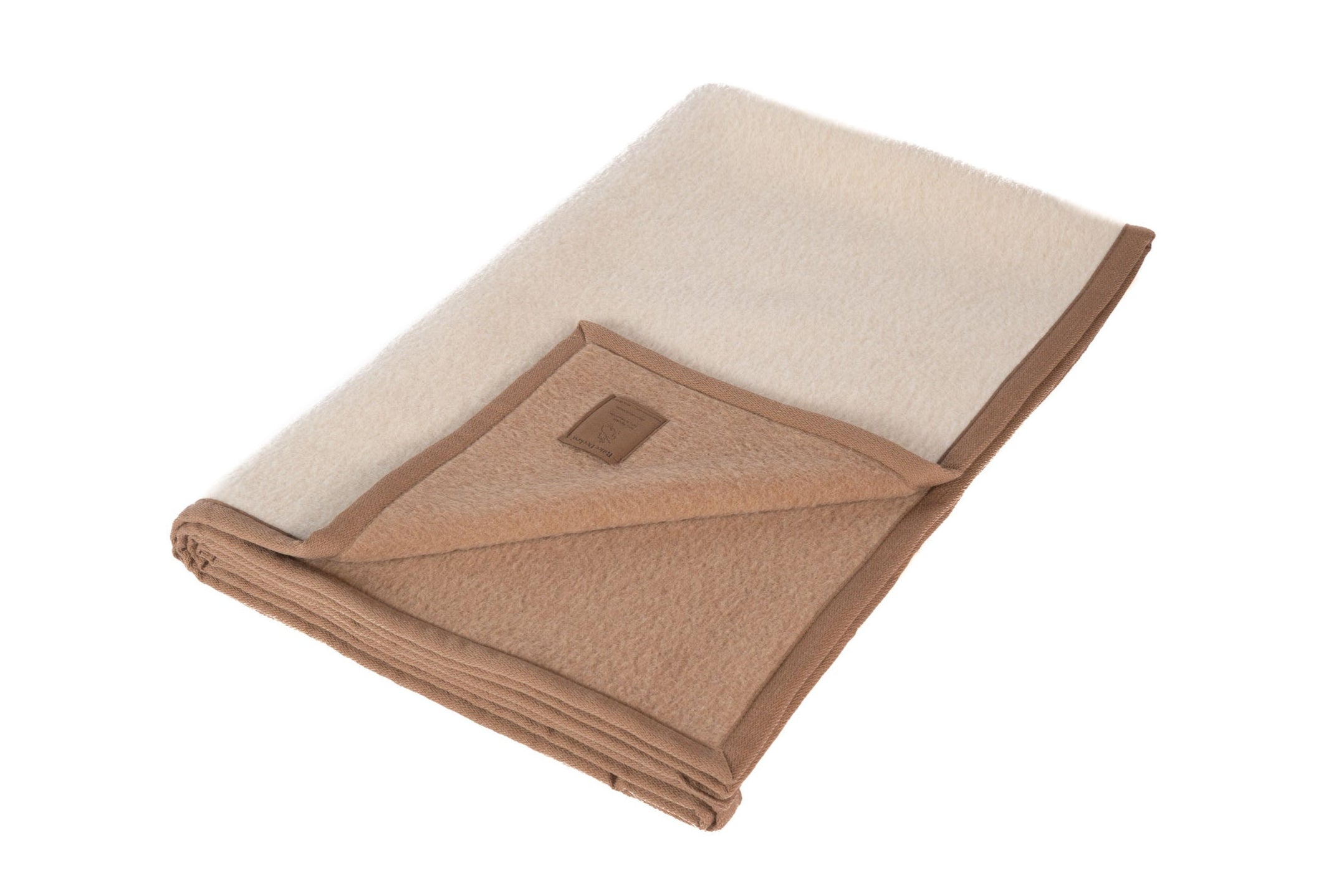
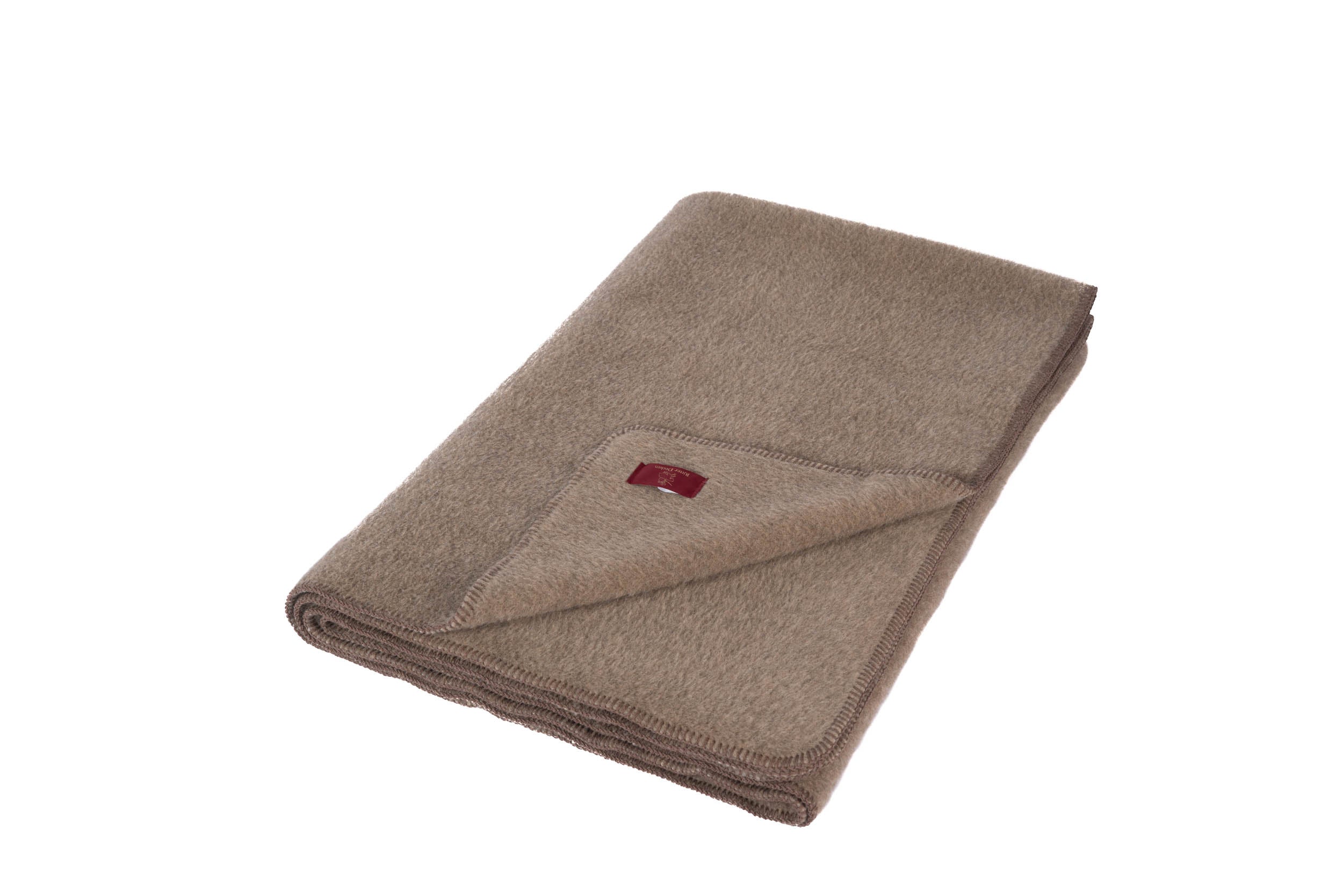
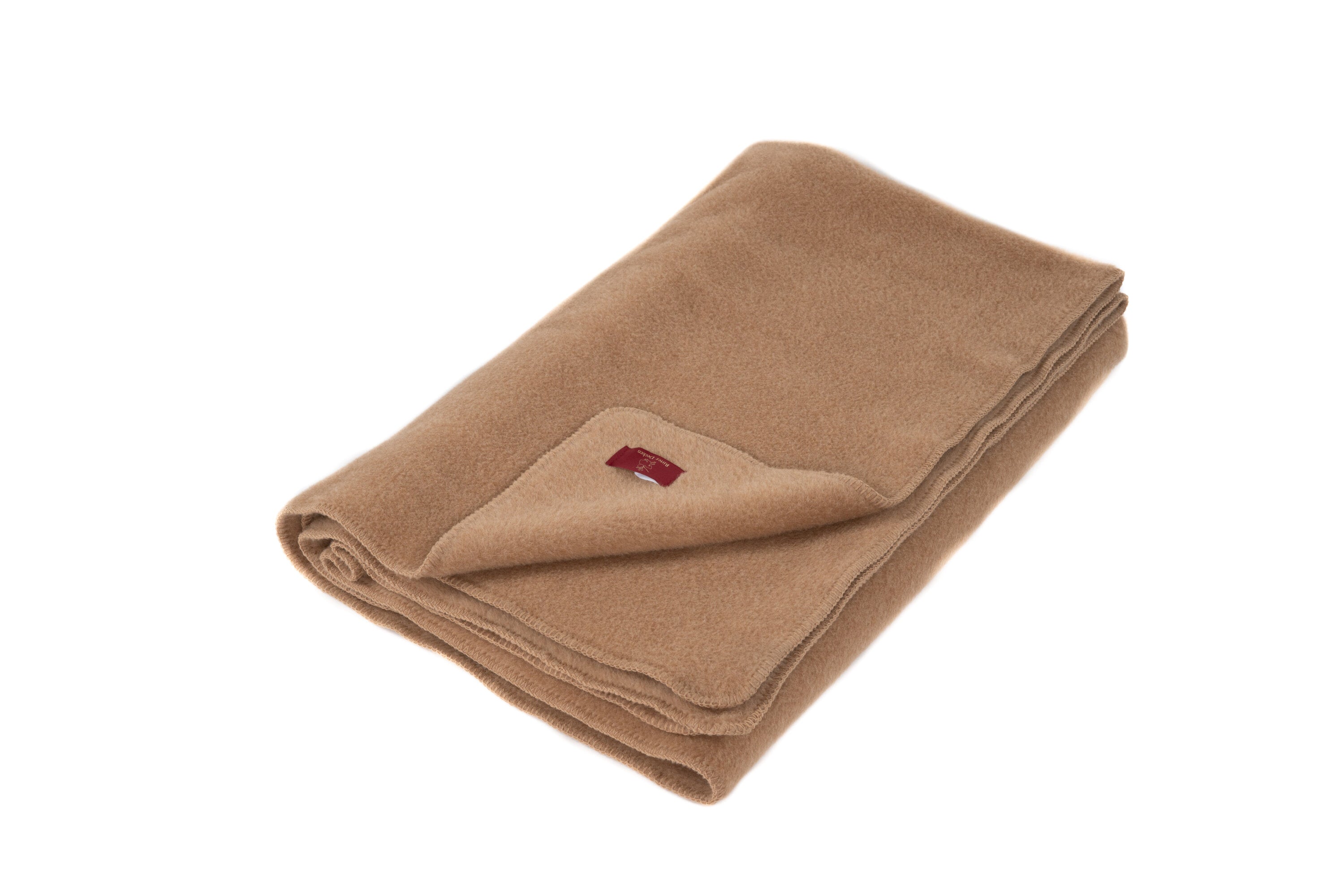
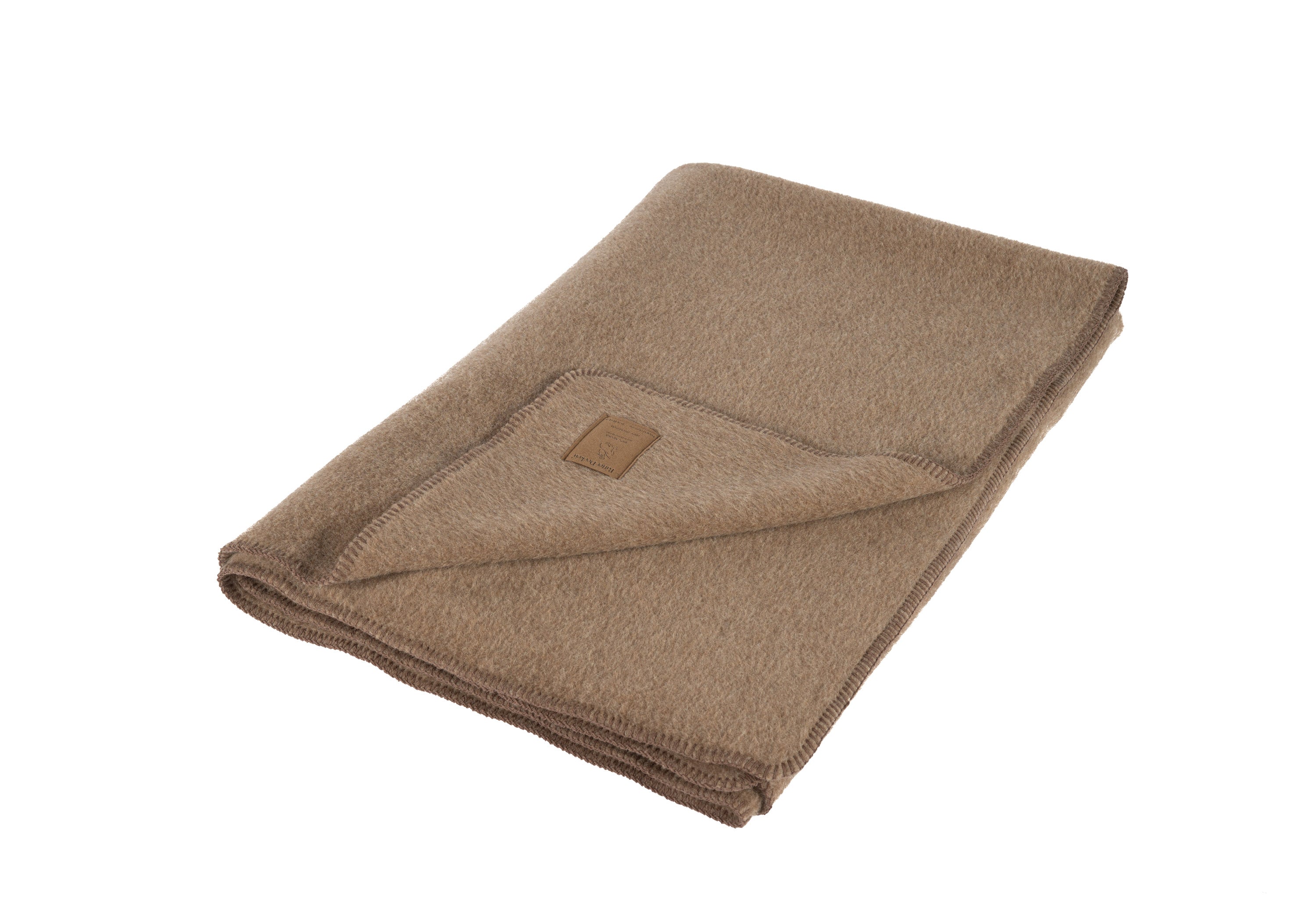
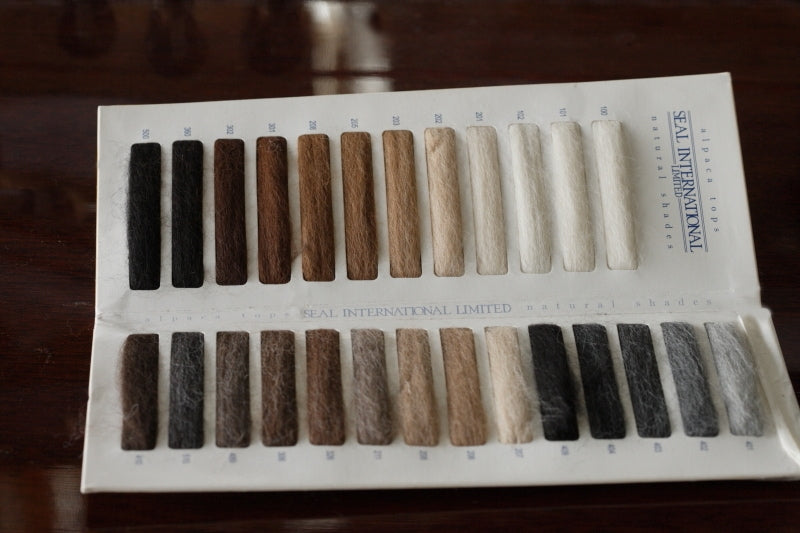
Alpaca hair is sorted in Peru into up to 26 natural shades (see below). Natural shades range from largely pure sorted tones of white, cream, beige, brown, maroon, black (top row) and mélange tones (mottled) of silver, grey, anthracite, beige, brown, dark brown (bottom row).
Alpaca hair has a distinctive character, is smooth and supple, and feels soft. Another special feature is its noble natural sheen.
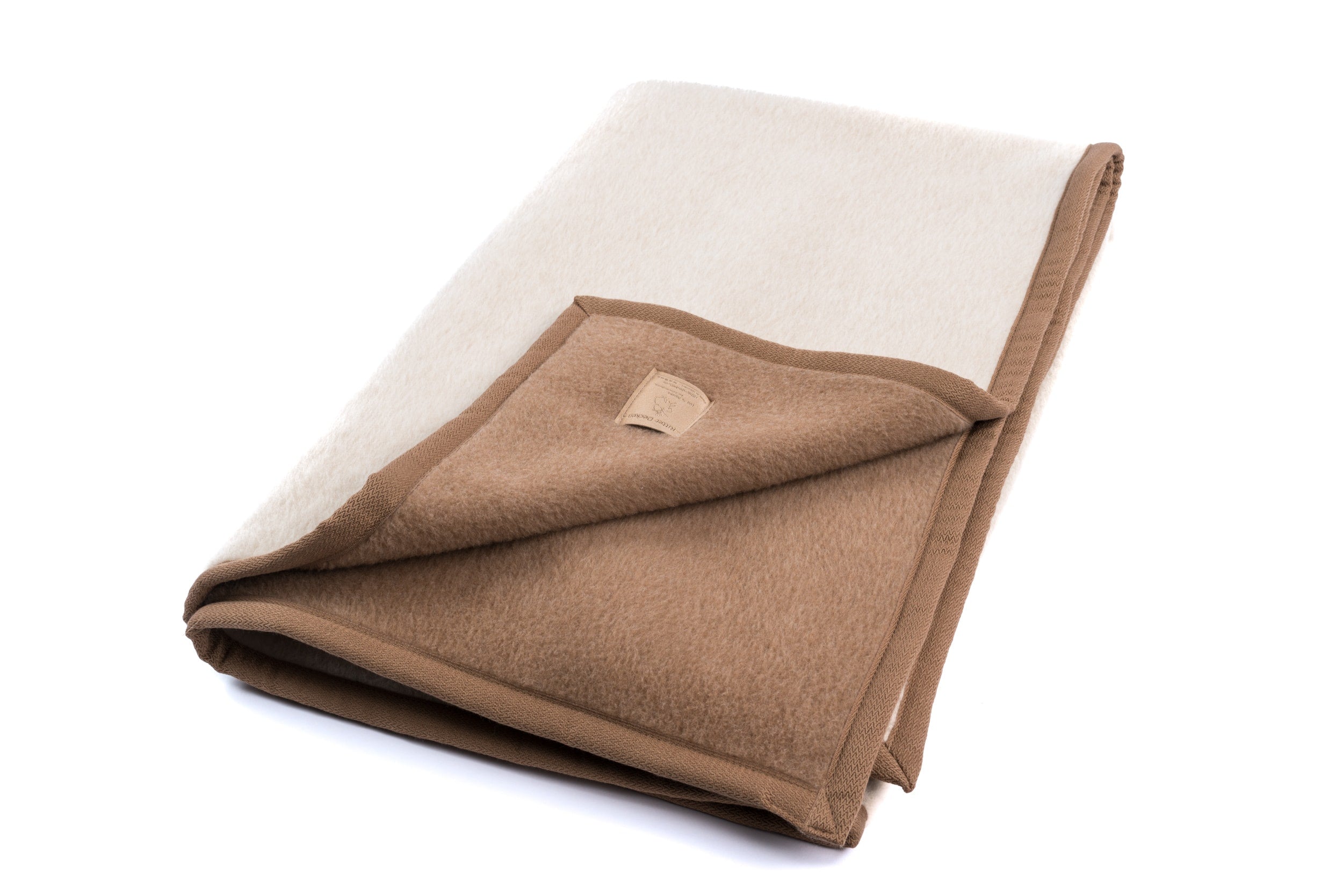
Our first choice are the woven alpaca blankets from Ritter Decken, which have the appropriate machinery and know-how to bring out the full natural properties of the noble hair.
Baby alpaca: approx. 31 Euro/kg unspun
Explanation of Terms
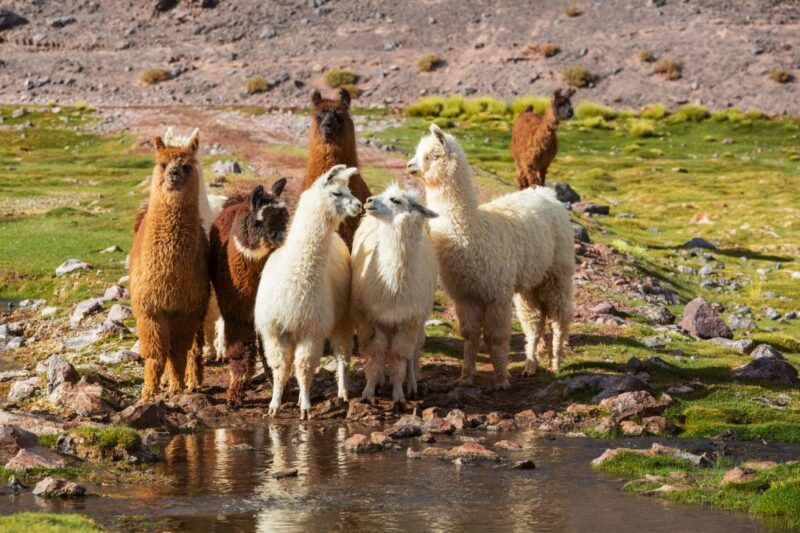
The llama is larger and stockier than the alpaca and is primarily used as a pack animal. Llama hair is somewhat more brittle and coarser than alpaca hair. Therefore, we only use alpaca hair. The native country of alpacas is Peru. Both alpacas and llamas belong to the camel family.
There are approximately 3.5 million animals. Annual production totals approx. 4 million kg/year
Of this, approx.
10-15% Baby 22.5 micron
10% Suri 22.5 micron
60% FS Fine Spinning 25.5 micron
15% Coarse 30 micron and coarser
Baby Alpaca
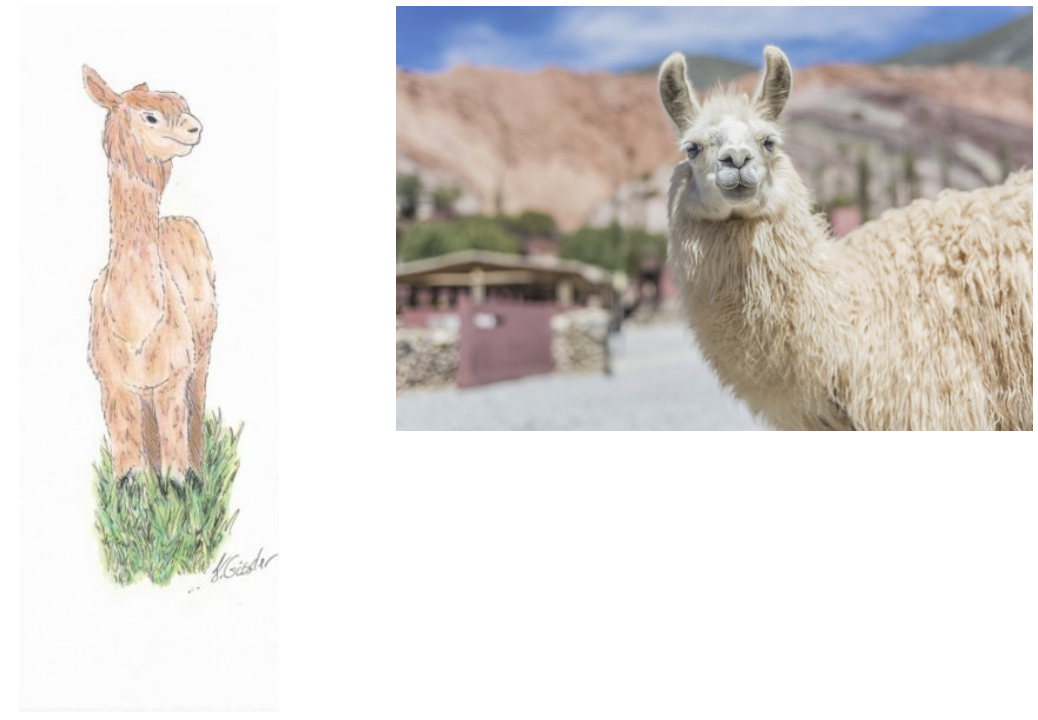
The term baby alpaca refers to alpaca hair that is sorted by fineness and color at the source and has an average fineness of approx. 22.5 microns (1 micron = 1/1000mm). Younger animals generally have finer hair than adult animals. In addition to the age of the animals, the fineness of the hair also depends on the part of the coat, the breeding, and the living conditions (climate). According to the Textile Labeling Act, only the description "alpaca" is provided and is declared as such on our labels.
It should be noted that alpaca hair is often advertised as being lanolin-free and therefore particularly suitable for allergy sufferers. Alpaca hair, with all its positive characteristics, does not need this convoluted description as an advertising measure.
Explanation of Lanolin
Lanolin refers to the wool fat or wax of sheep, which adheres to the surface of the hair or wool and is reduced during the washing process, then further processed for products such as personal care items, cosmetics, or soaps. Alpaca hair naturally also contains fat. Almost all mammals have sebaceous glands; these sebaceous glands produce fat, which helps keep the animal's fur from getting dirty easily, repels raindrops and causes them to bead off, and most importantly, protects the animals' skin from drying out. In the English-speaking Anglo-American world, it is simply referred to as greasy or washed (-wool, -alpaca, -cashmere, etc.). The fat and dirt content in unwashed wool or alpaca can be up to 30%.
25% of the shorn wool is processed into finished products in Peru itself and largely sold to tourists. In breeding, the emphasis is on white, as strong colours can be dyed from it.
Alpaca blankets