Difference between Wool Blankets, Duvets & Throws
Not all blankets are the same. You've certainly noticed this in everyday life. There are numerous differences between the 3 most common types of blankets. The material, workmanship, as well as the texture and intended use are fundamentally different. In the following article, we have listed the differences between wool blankets, duvets (sleeping blankets) & throws (day blankets, wool throws) and linked the corresponding product categories from our online shop.
The 3 Types of Wool Blankets
Wool Blankets (Classic Blankets)
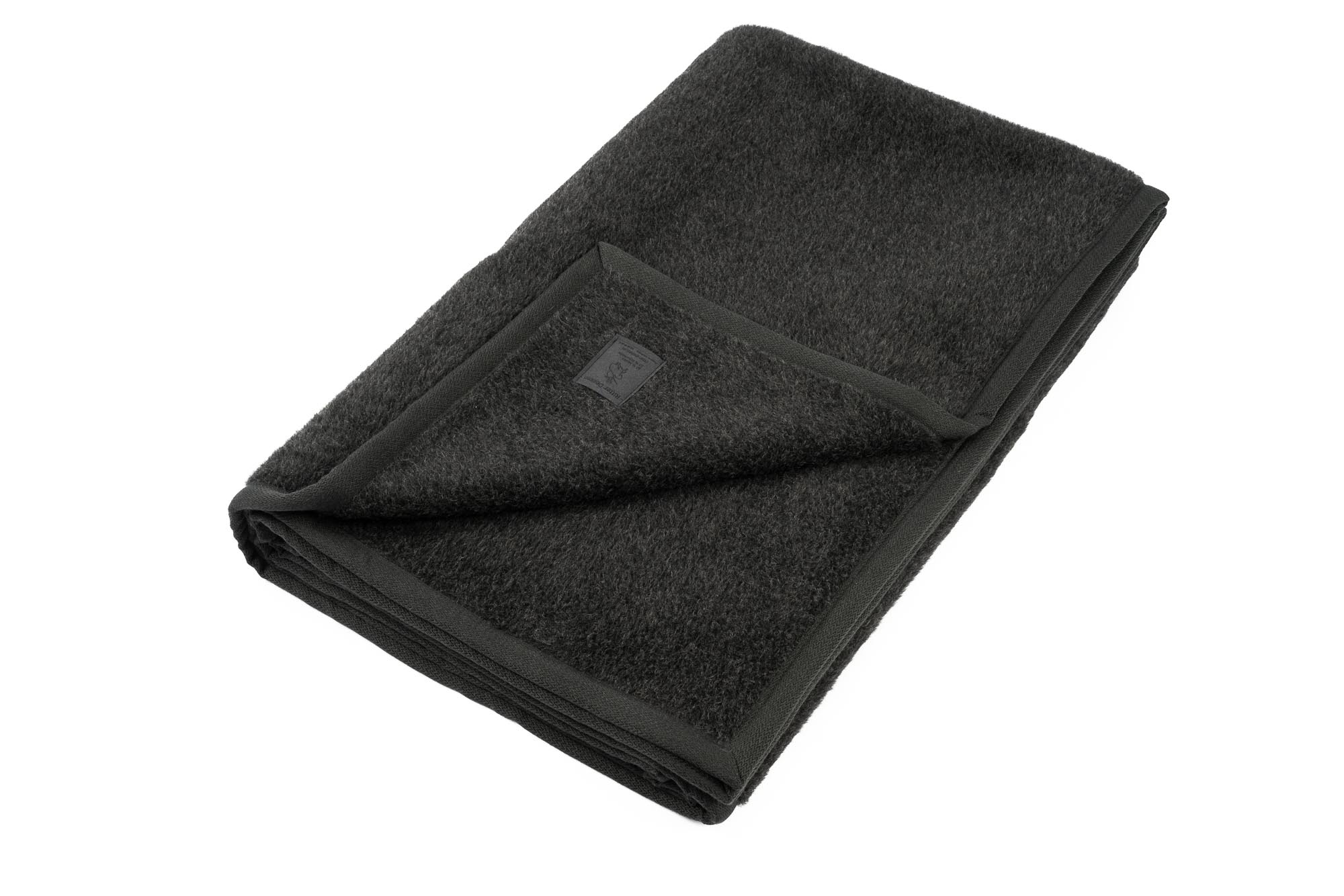
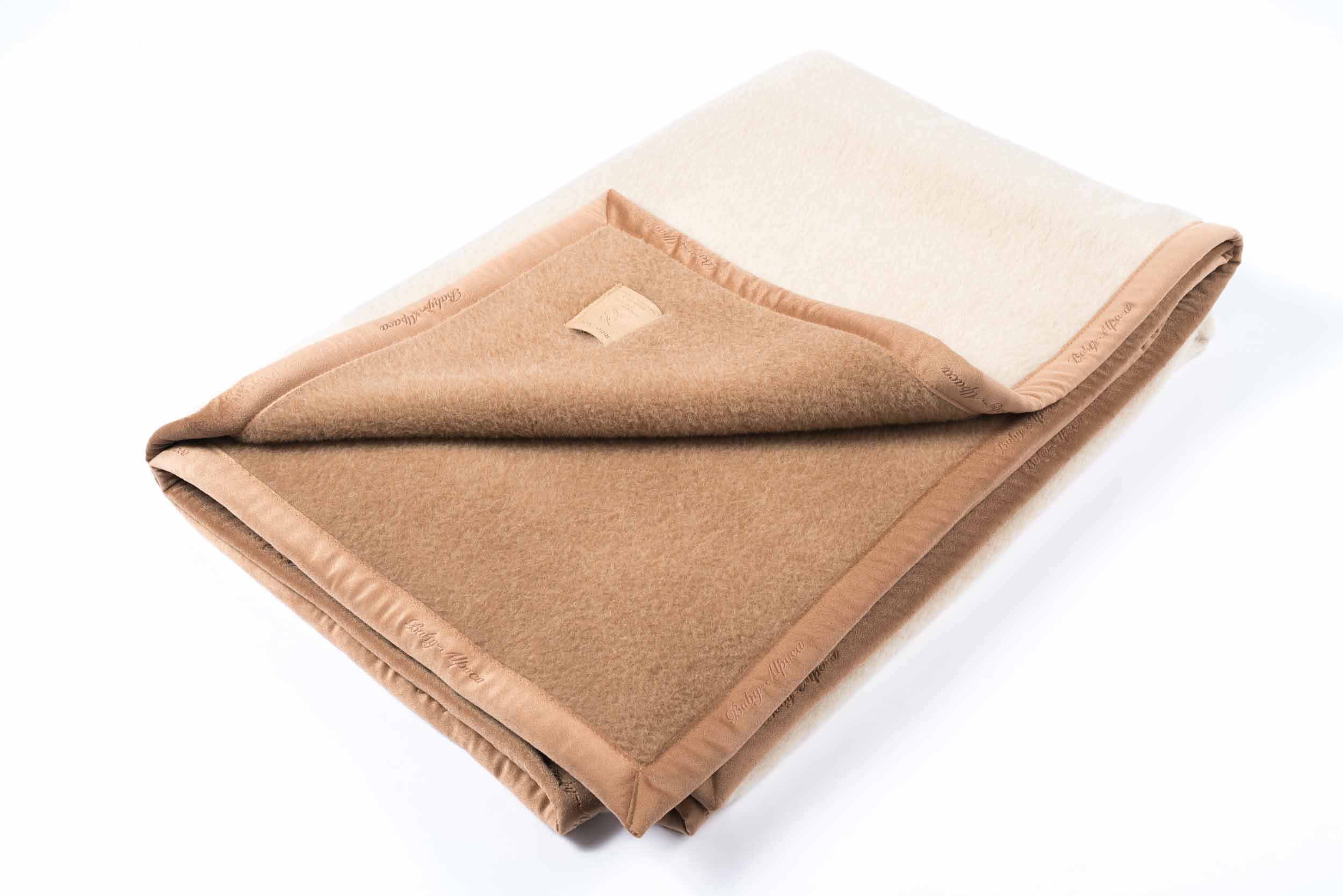
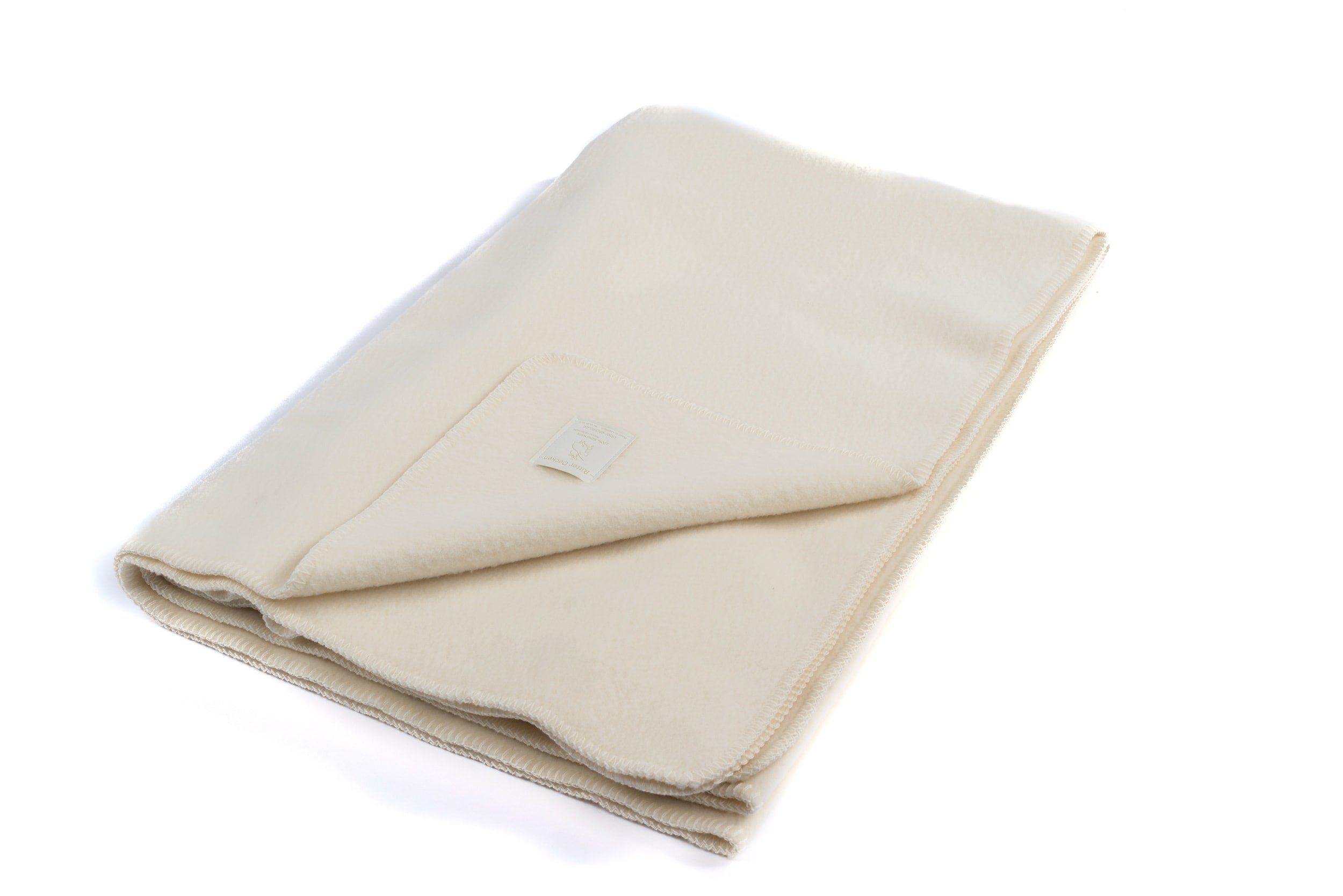
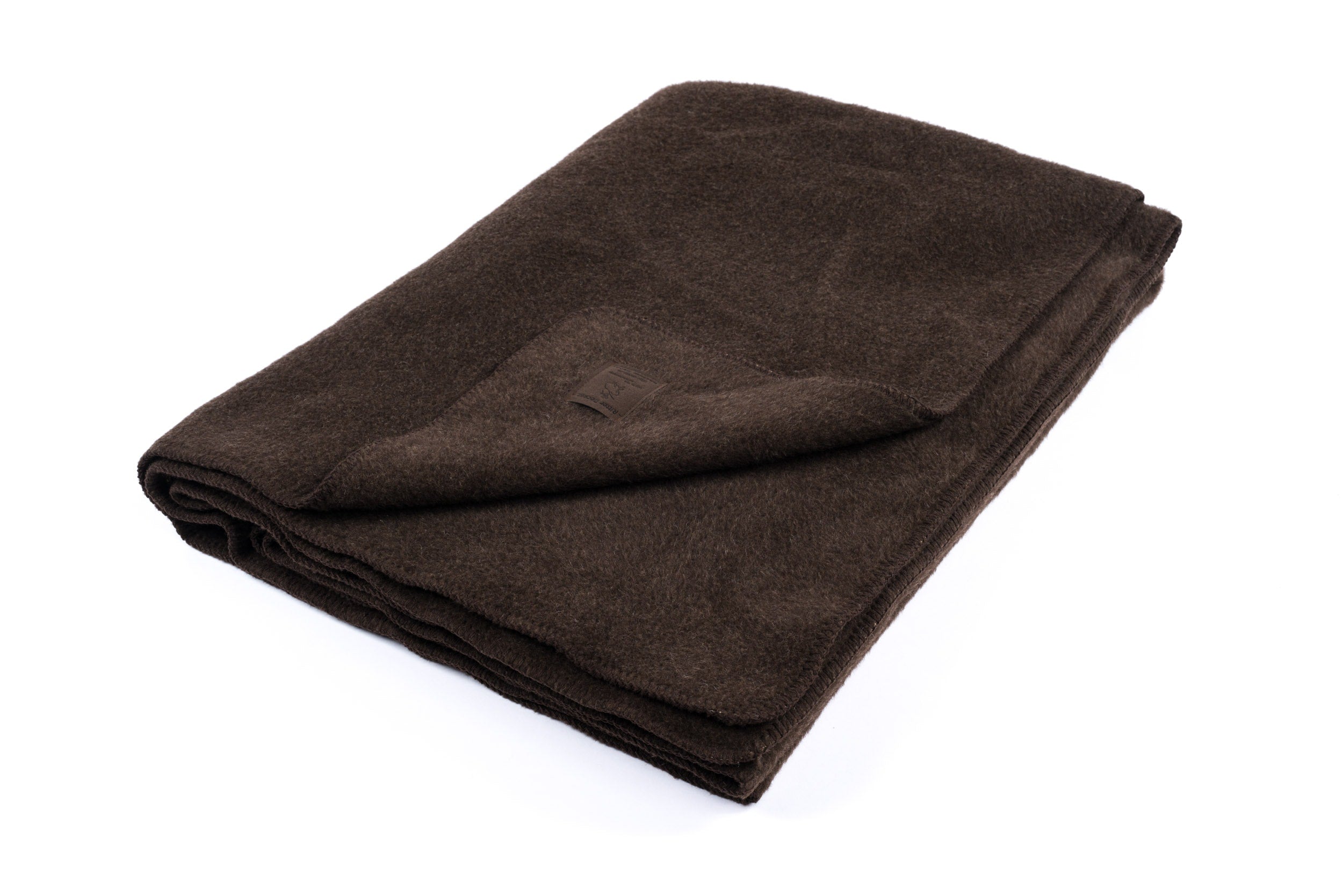
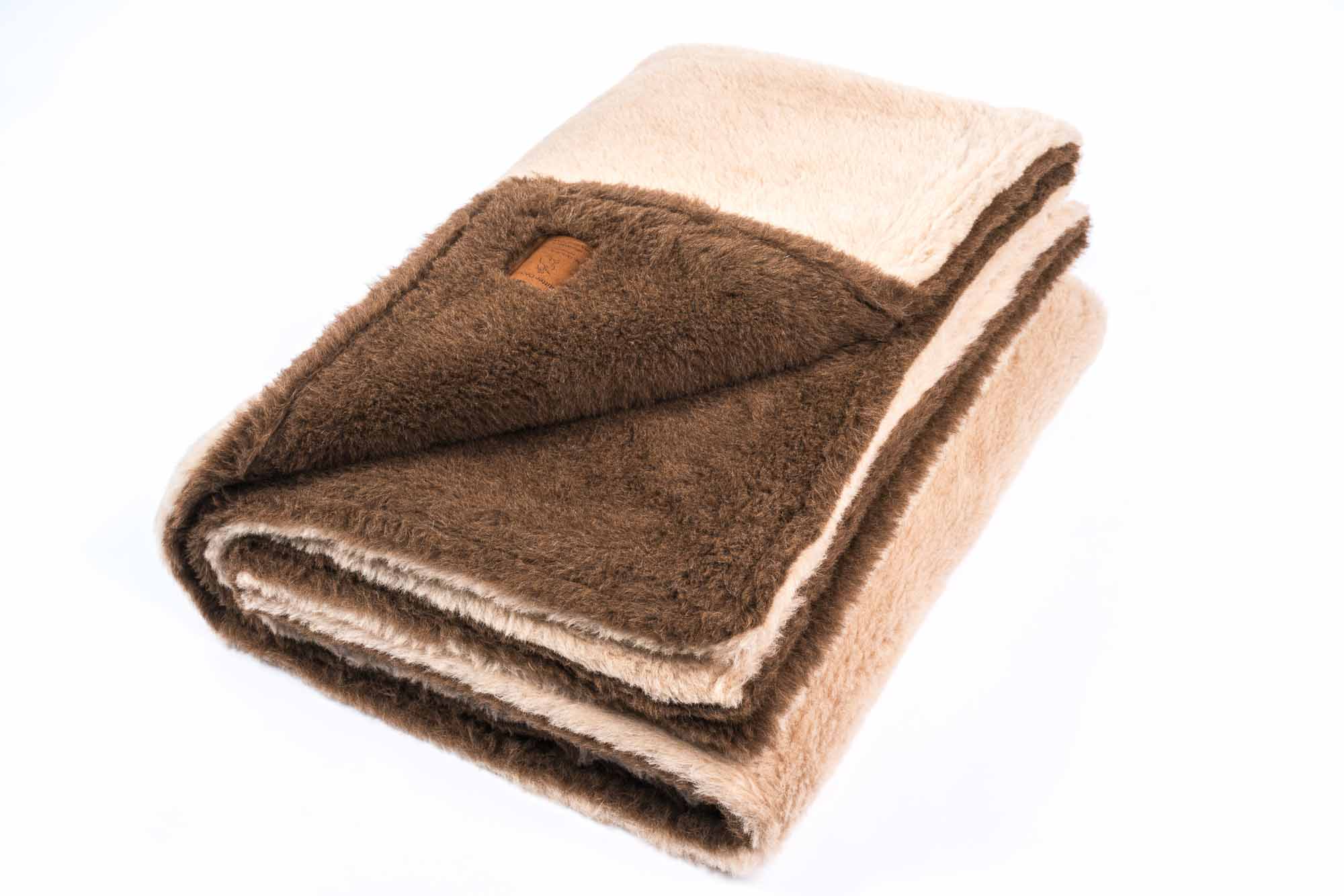
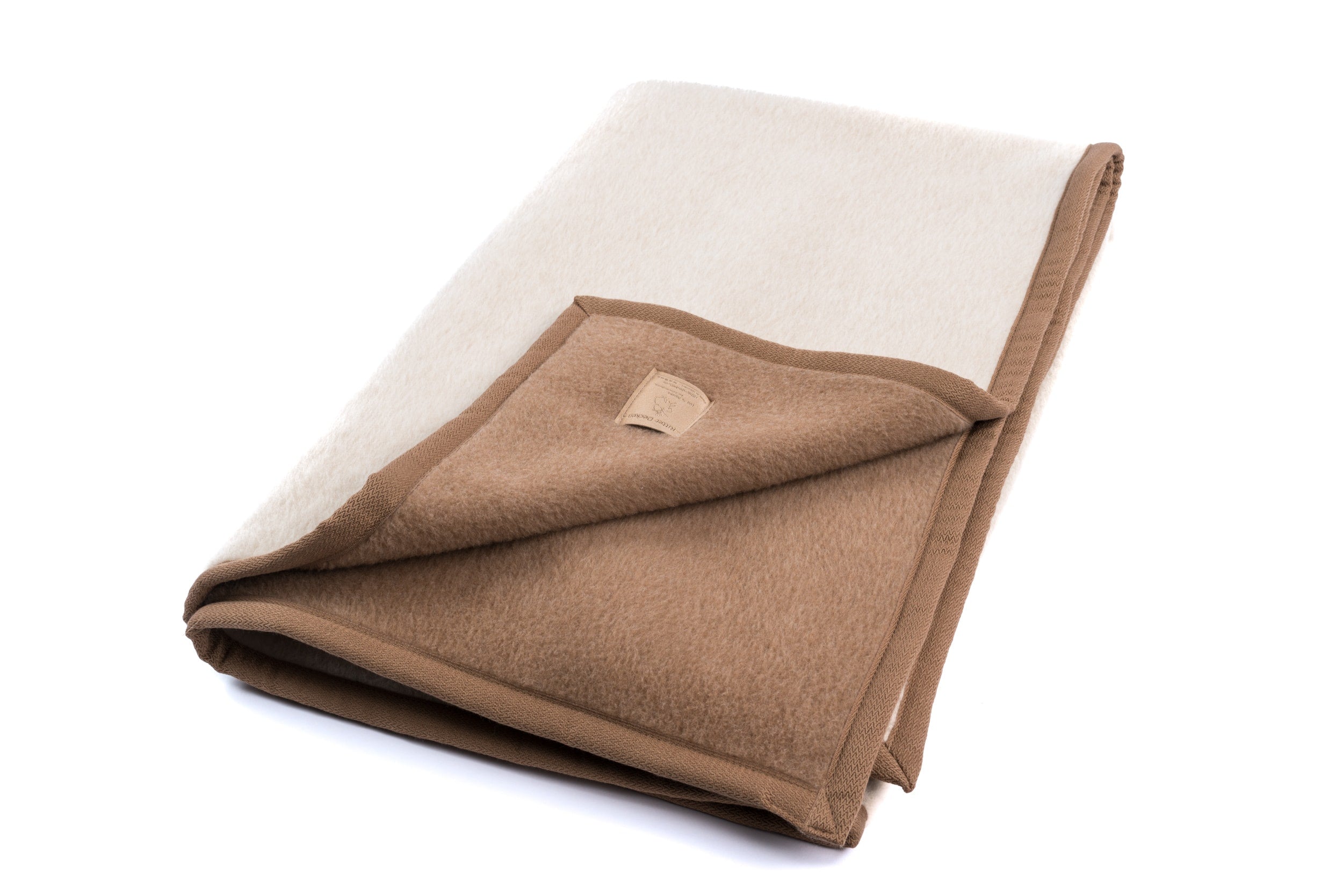
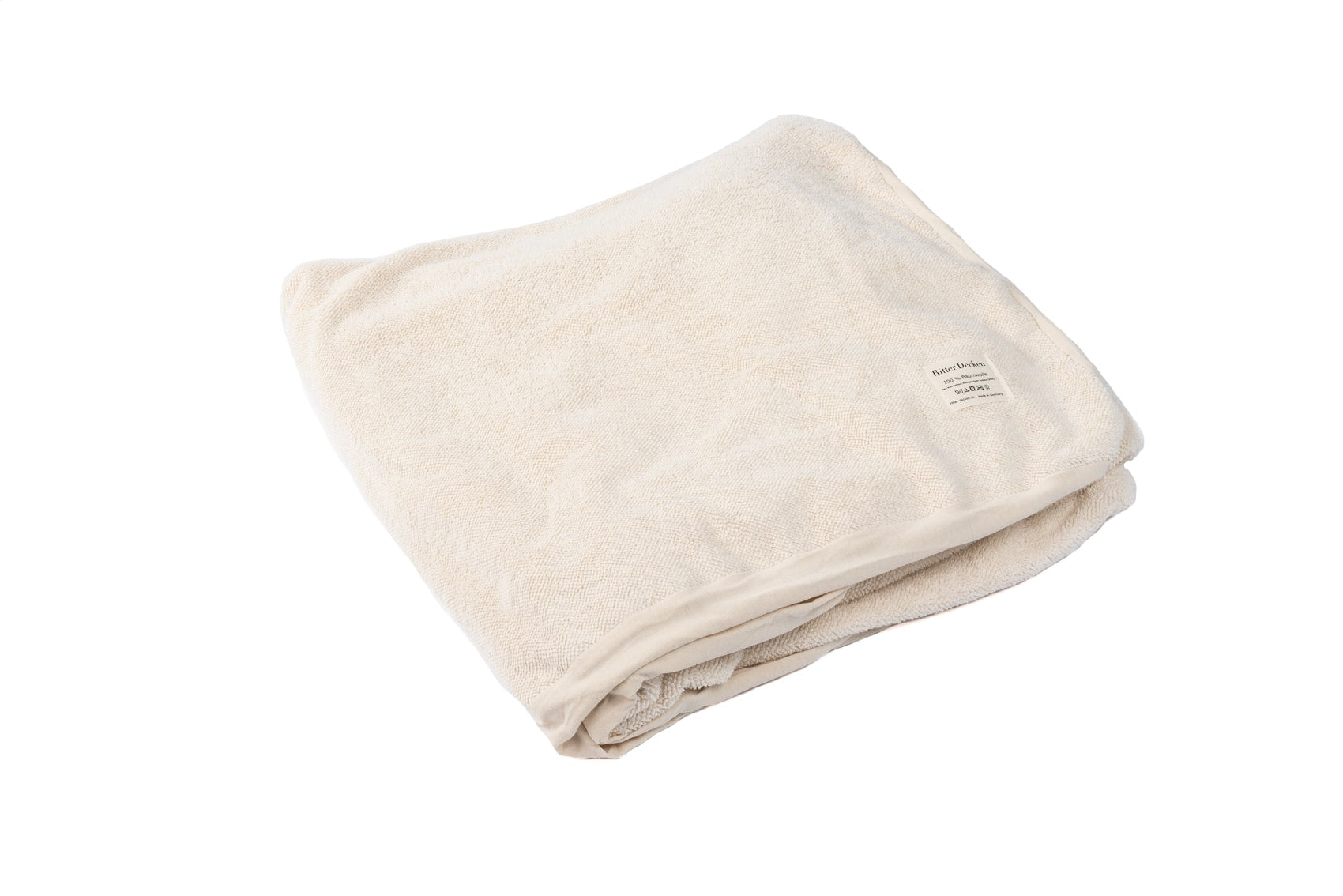
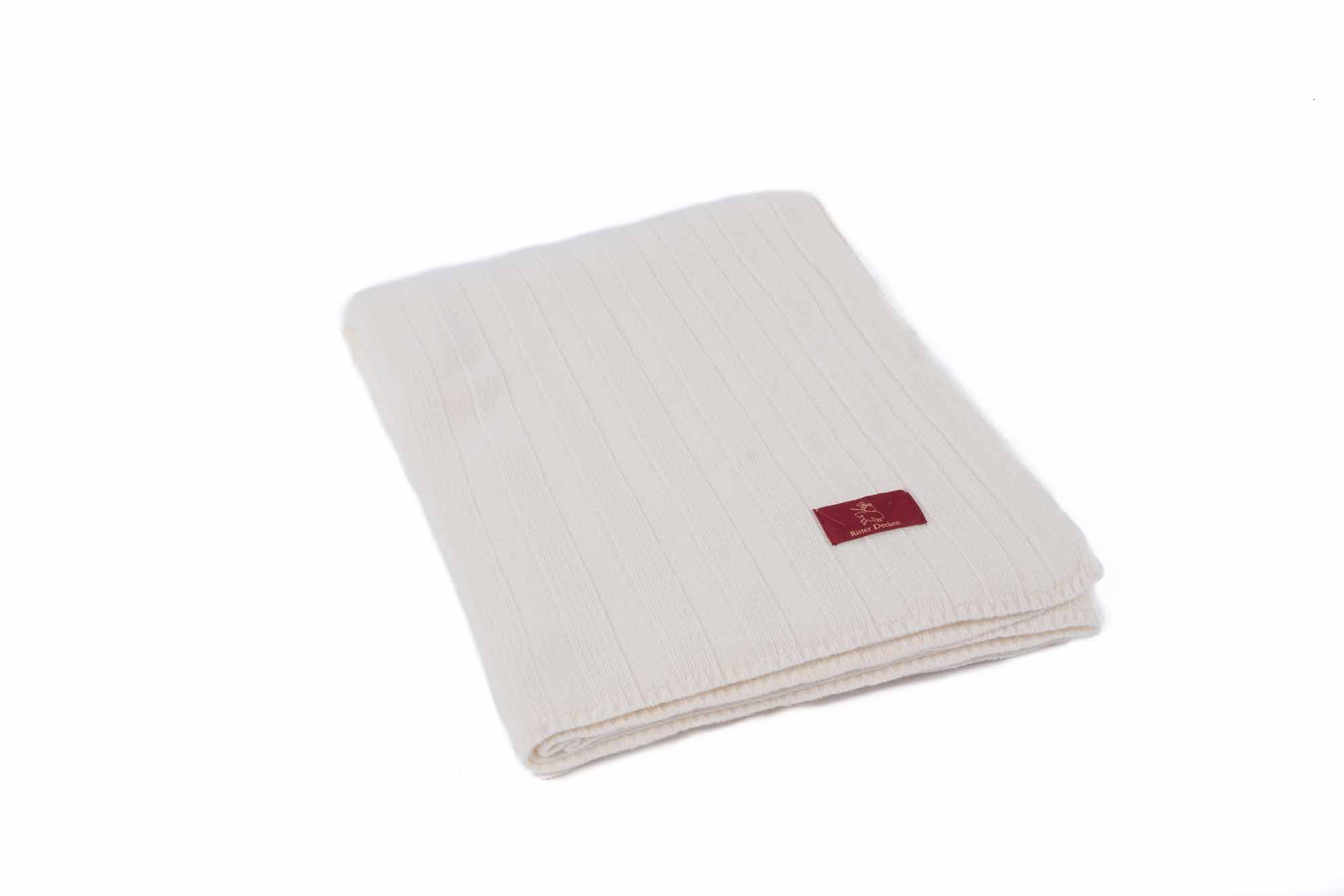
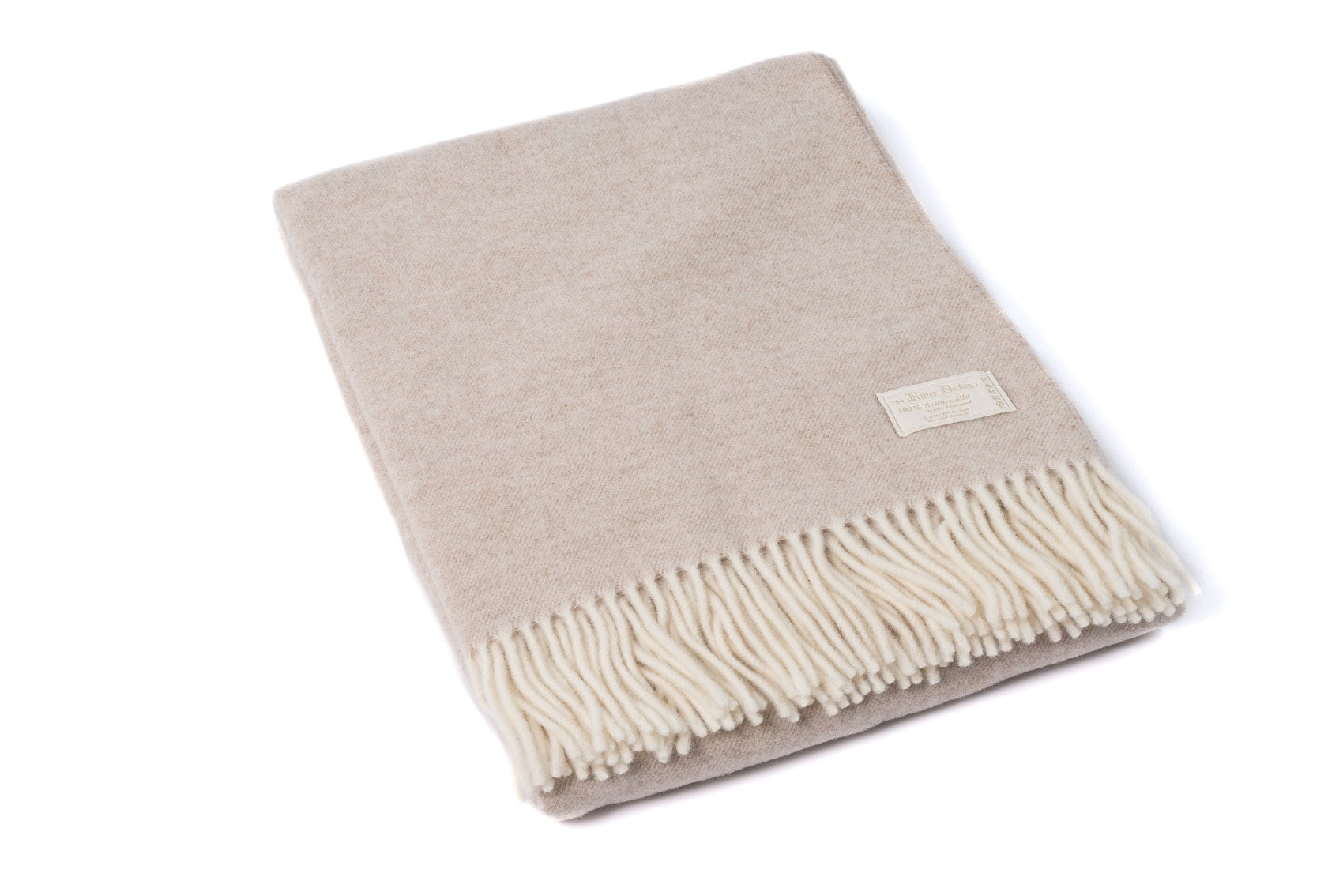
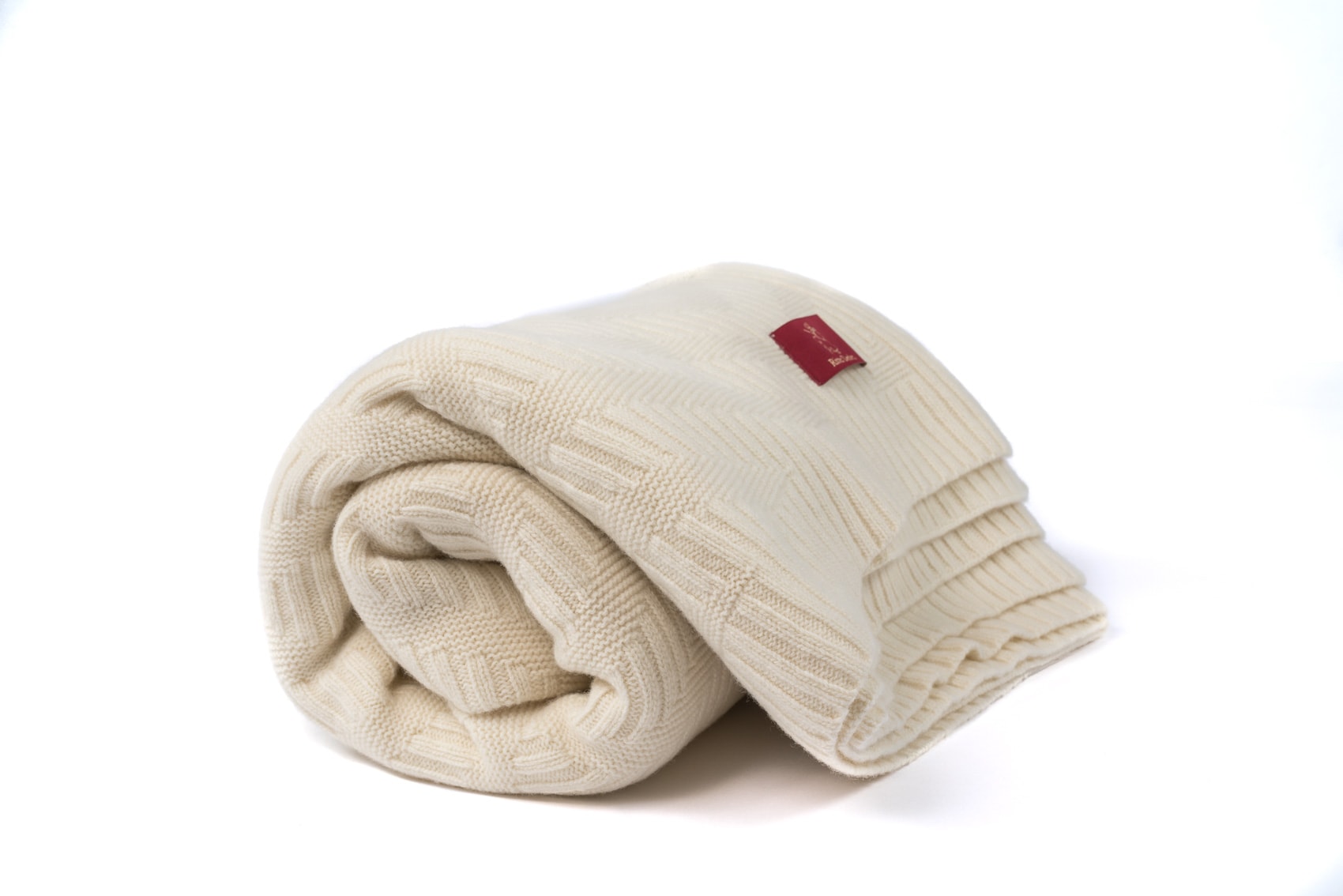
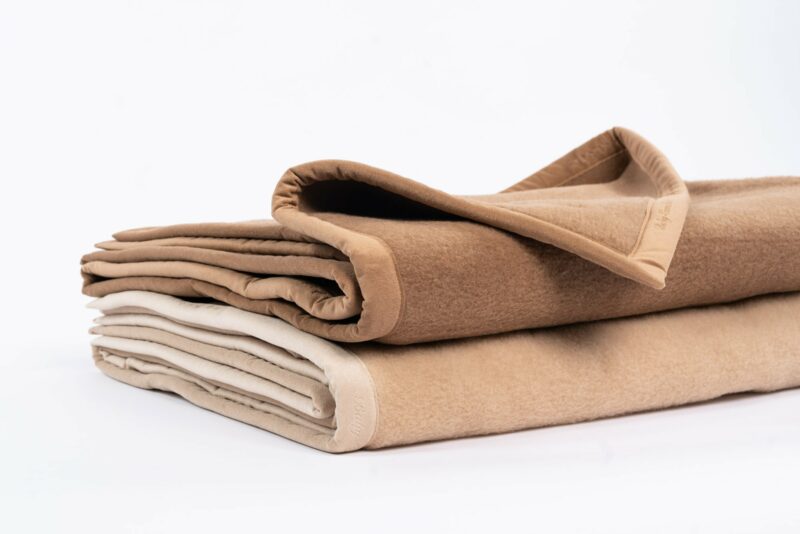
As the name suggests, wool blankets are made of wool. In contrast to plaids, they are generally heavier. Wool blankets are versatile, for example, they can be used in bed for sleeping, on the sofa for cuddling, as a throw, or as an additional heat store to put over you if you get cold at night. They are particularly suitable for people who tend to sweat, as they are characterized by their good absorbency and high moisture release.
The standard sizes are 150 x 200 cm and 150 x 220 cm. However, there are also knee blankets in 150 x 100 cm. The main quality sold usually consists of 50% polyacrylic and 50% cotton. These are characterized by their washability. Higher-quality wool blankets, on the other hand, are made of wool (virgin wool) or natural hair, i.e., camel hair, alpaca, cashmere, or yak. Their appearance is usually natural, but they can also be dyed or patterned.
Furthermore, wool blankets can either be overlocked or edged with a band. There are also big price differences for wool blankets. On average, the price is between 50 and 200 Euros. A cashmere blanket, on the other hand, can cost between 300 and 2000 Euros.
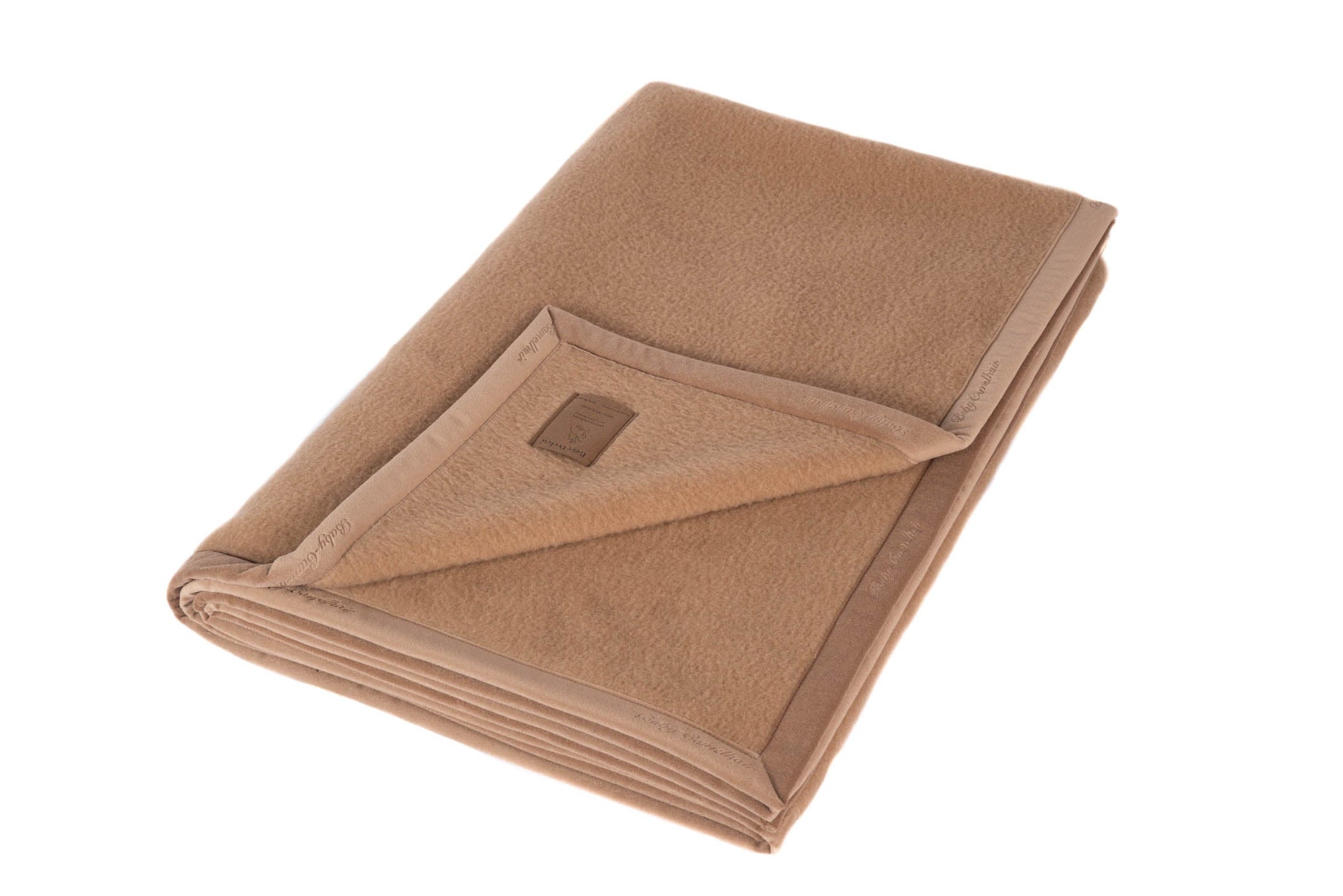
How to care for the wool blanket should be taken from the label, as there are also big differences here. As a rule, natural hair blankets do not need to be washed, as body sweat is neutralized. Due to the natural residual fat content of 1-2% on the wool, they are naturally protected. Often, it is sufficient to shake out or air the blanket regularly.
Natural Hair Blankets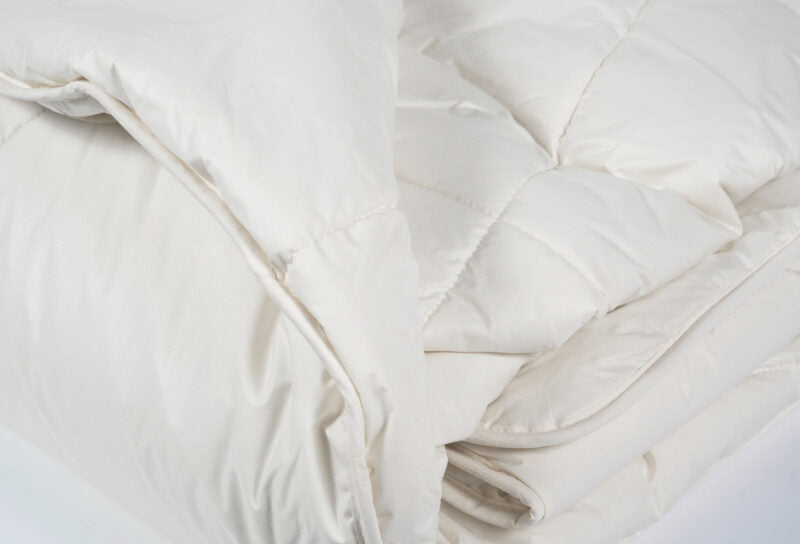
Duvets & Blankets
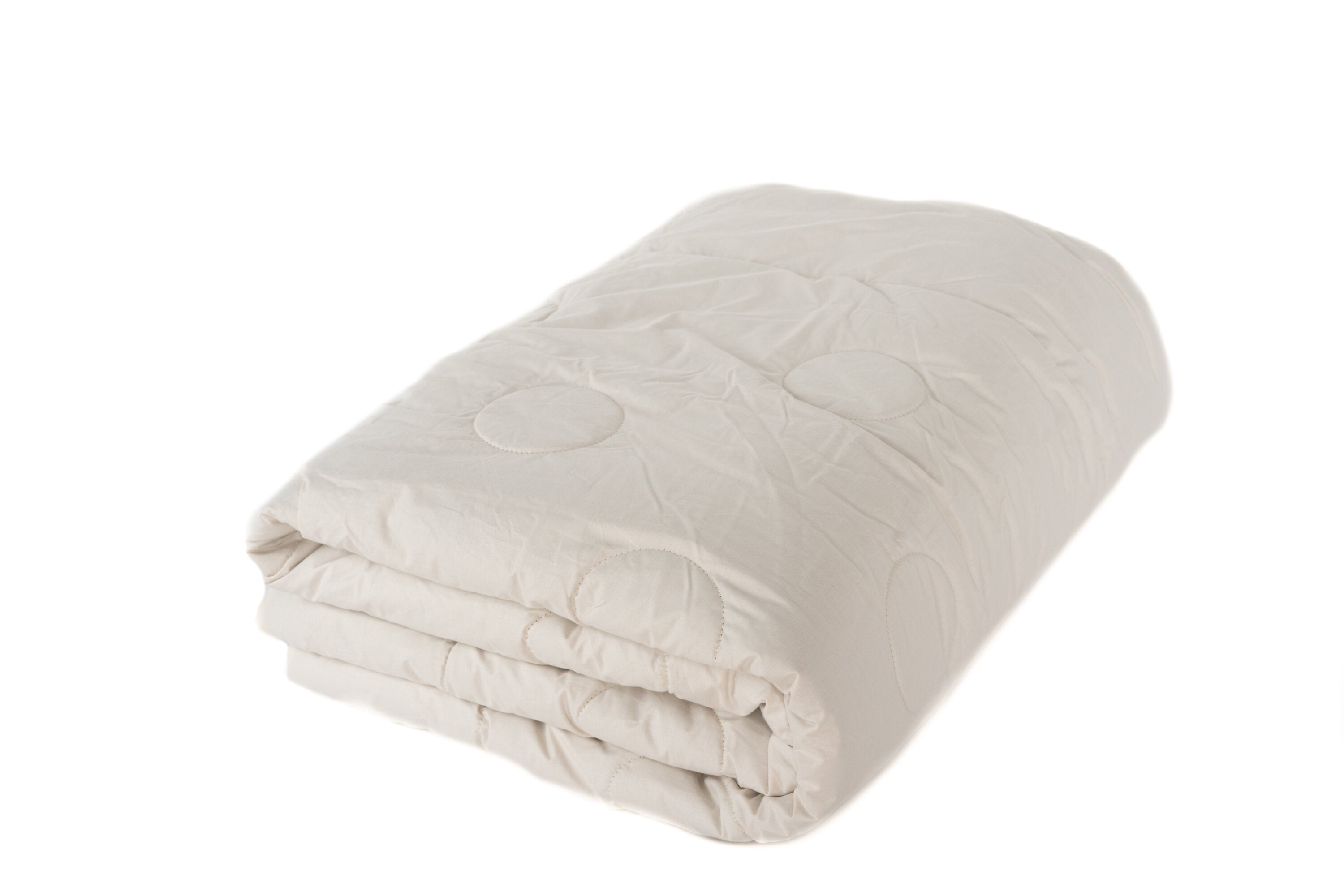
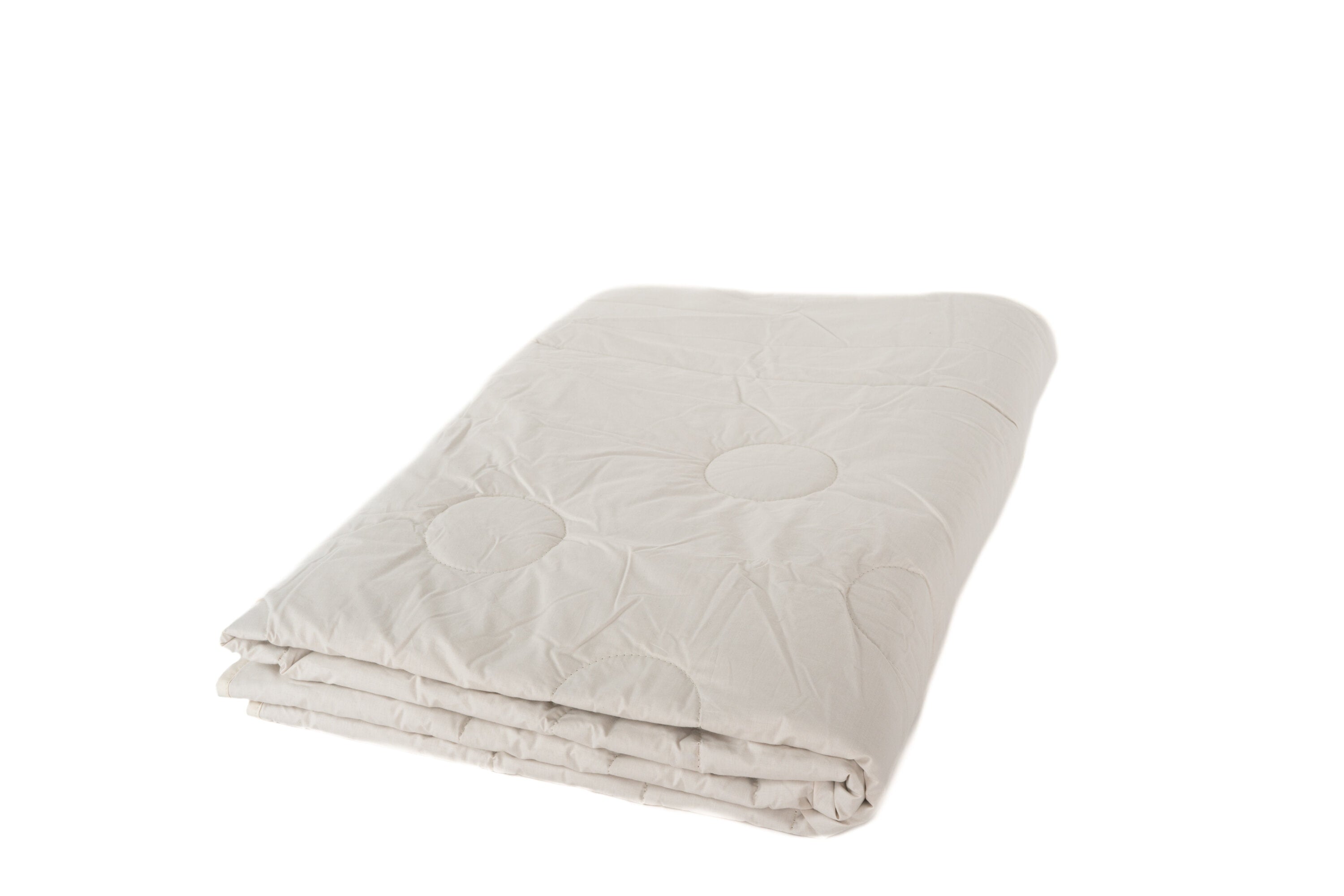
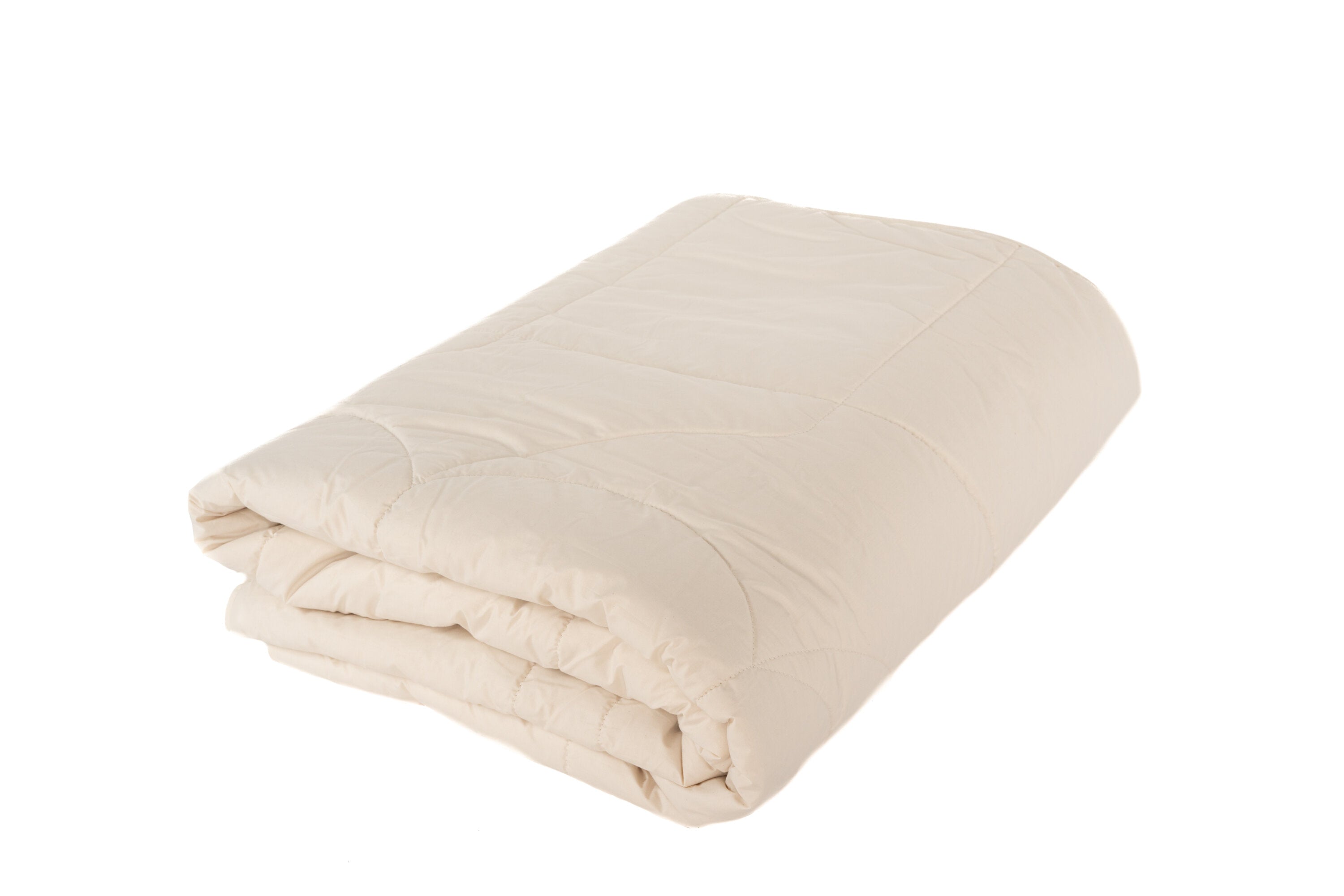
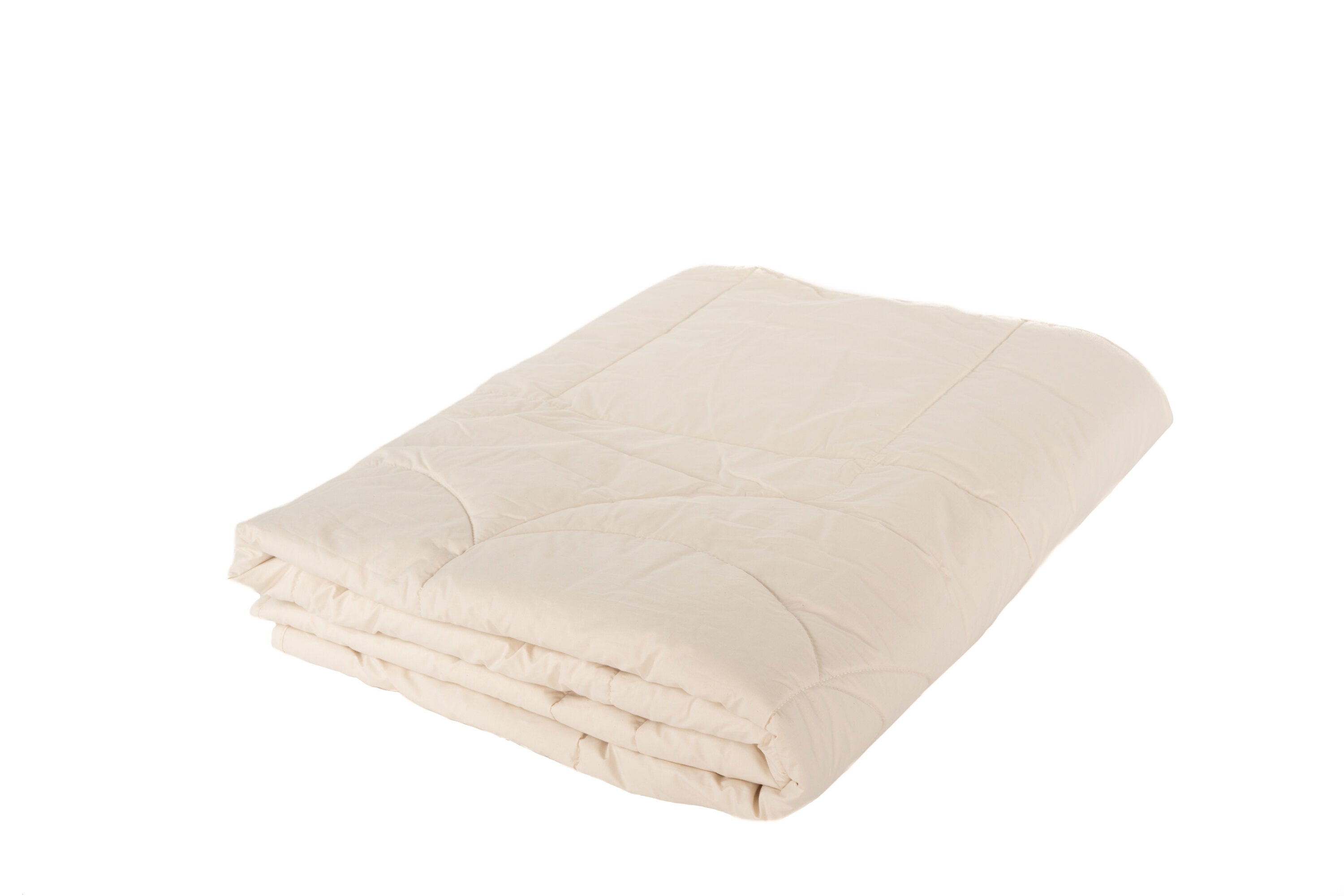
Duvets are used for sleeping. They consist of a non-woven fabric and are covered with a cotton cover. They can be filled with down, camel hair, cashmere, silk, wool, or alpaca hair.
The weight of a duvet depends on the inner material, filling quantity, and warmth requirement. Often, duvets are also adapted to the season. Depending on the thermal properties, a distinction is made between mono and duo.
Their appearance is always plain, as they are covered with bed linen. The quilting can vary. In Germany, the size of a duvet is 135 x 200 or in comfort size 155 x 220 cm. The price range for duvets is wide. It depends on the material, workmanship, country of production, quality, and warmth requirement. Duo is more expensive than mono.
A duvet made of down usually costs between 60 and 500 Euros. The price of a cashmere blanket, on the other hand, is between 450 and 800 Euros. Whether a duvet is washable should be taken from the label. Down duvets are washable, while wool and camel hair duvets are not, as they tend to clump or felt in the wash. For down duvets, it should also be noted that there is a difference between down and feathers. Down is of higher quality and lighter, and it also has a high degree of warmth. It is particularly suitable for people who have a high warmth requirement, do not tend to sweat, and at the same time value a particularly lightweight design. Feathers, on the other hand, are rather flat and hard.
If sustainability is important to you, you should make sure that the down feathers do not come from live plucking. This is not the case with us; all our down duvets are certified accordingly.
Duvets
Plaids (Throws, Bedspreads, Wool Plaids)
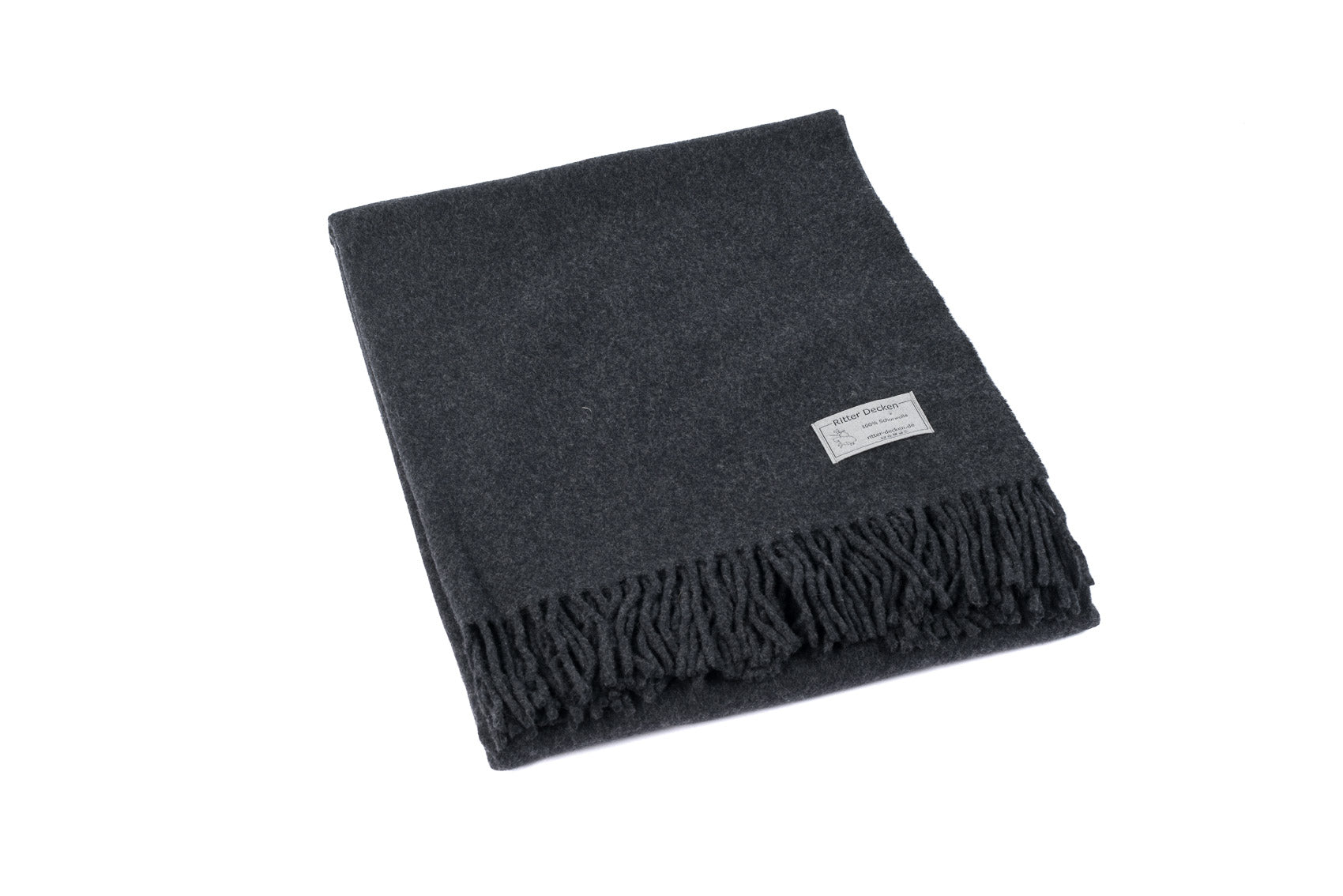
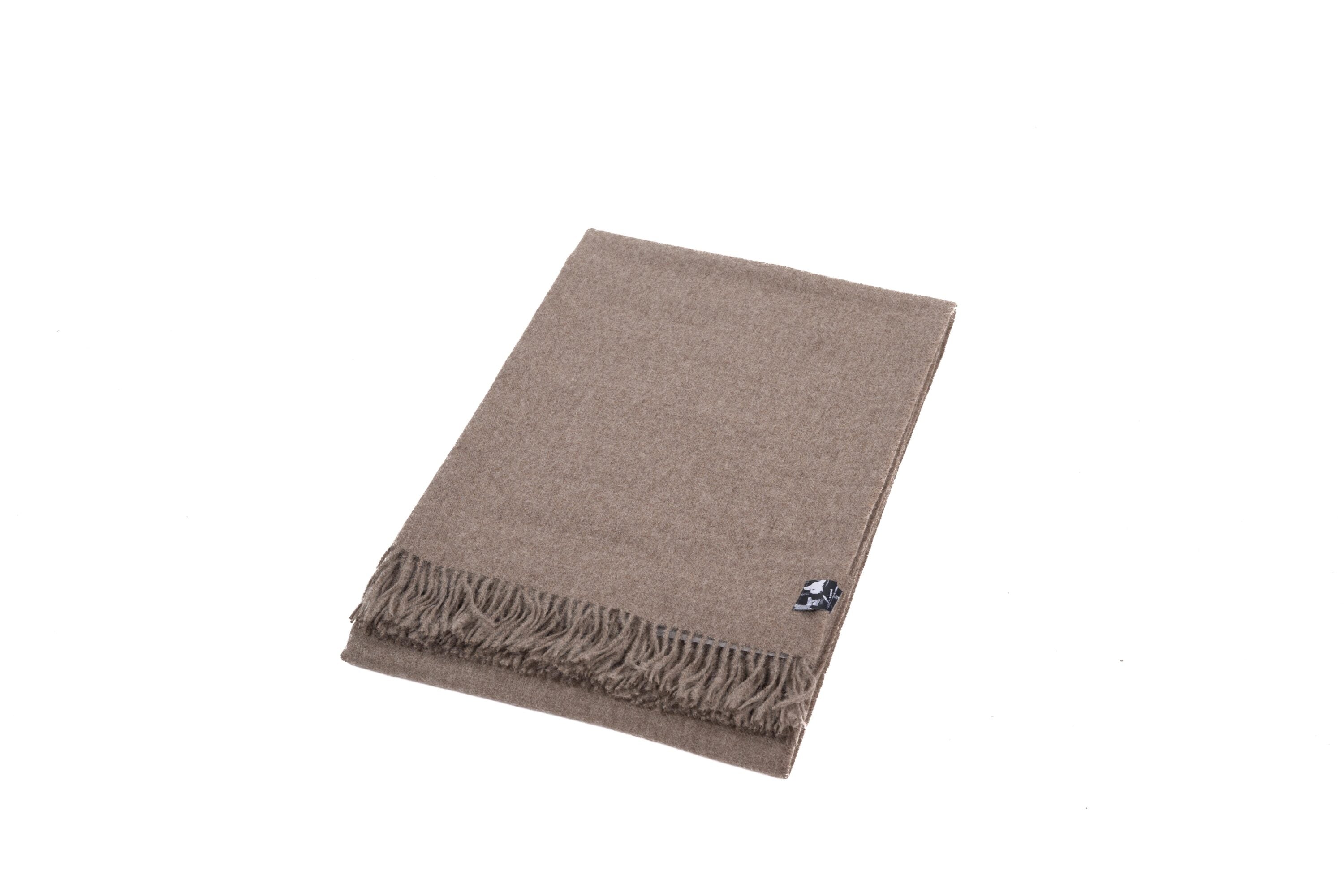
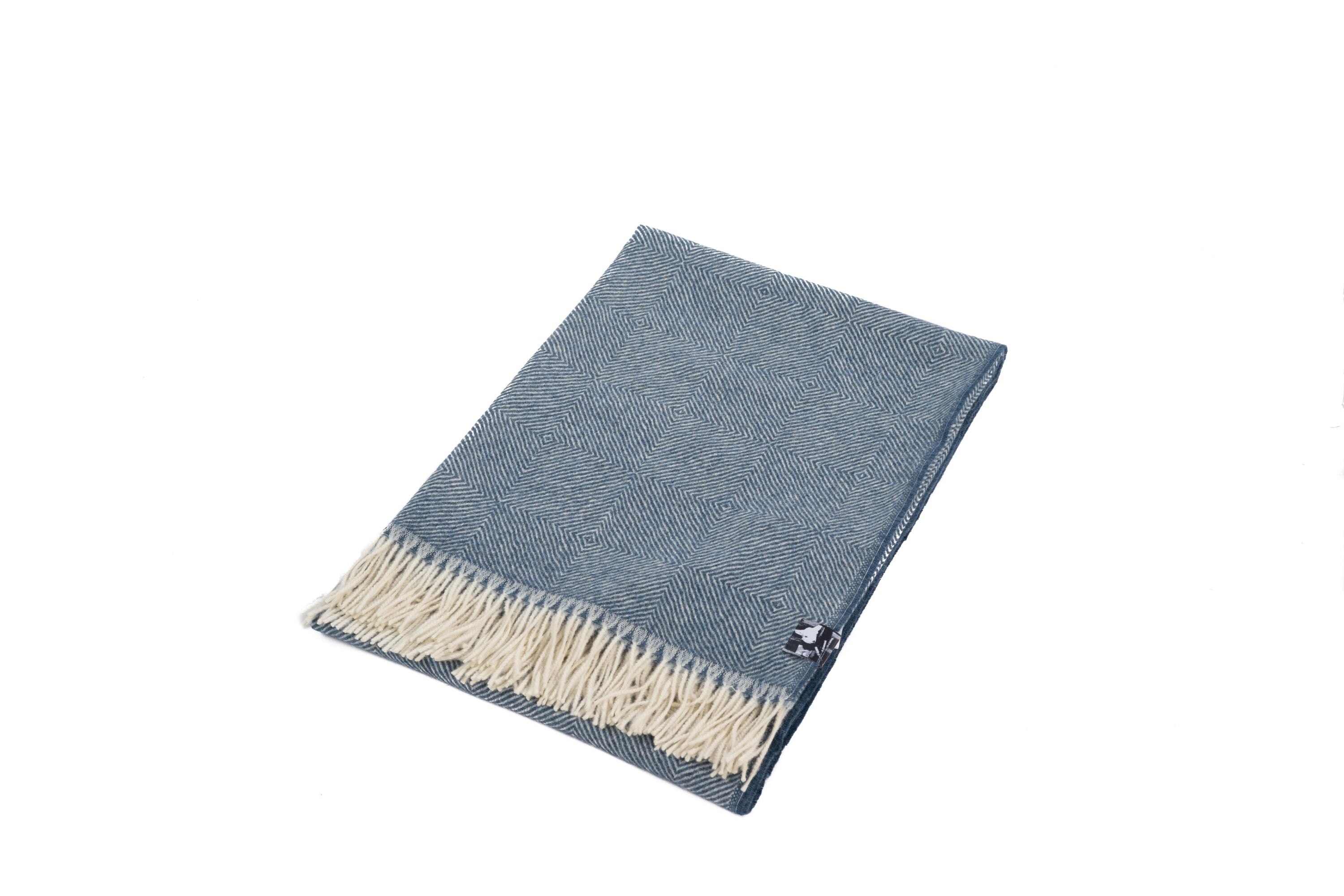
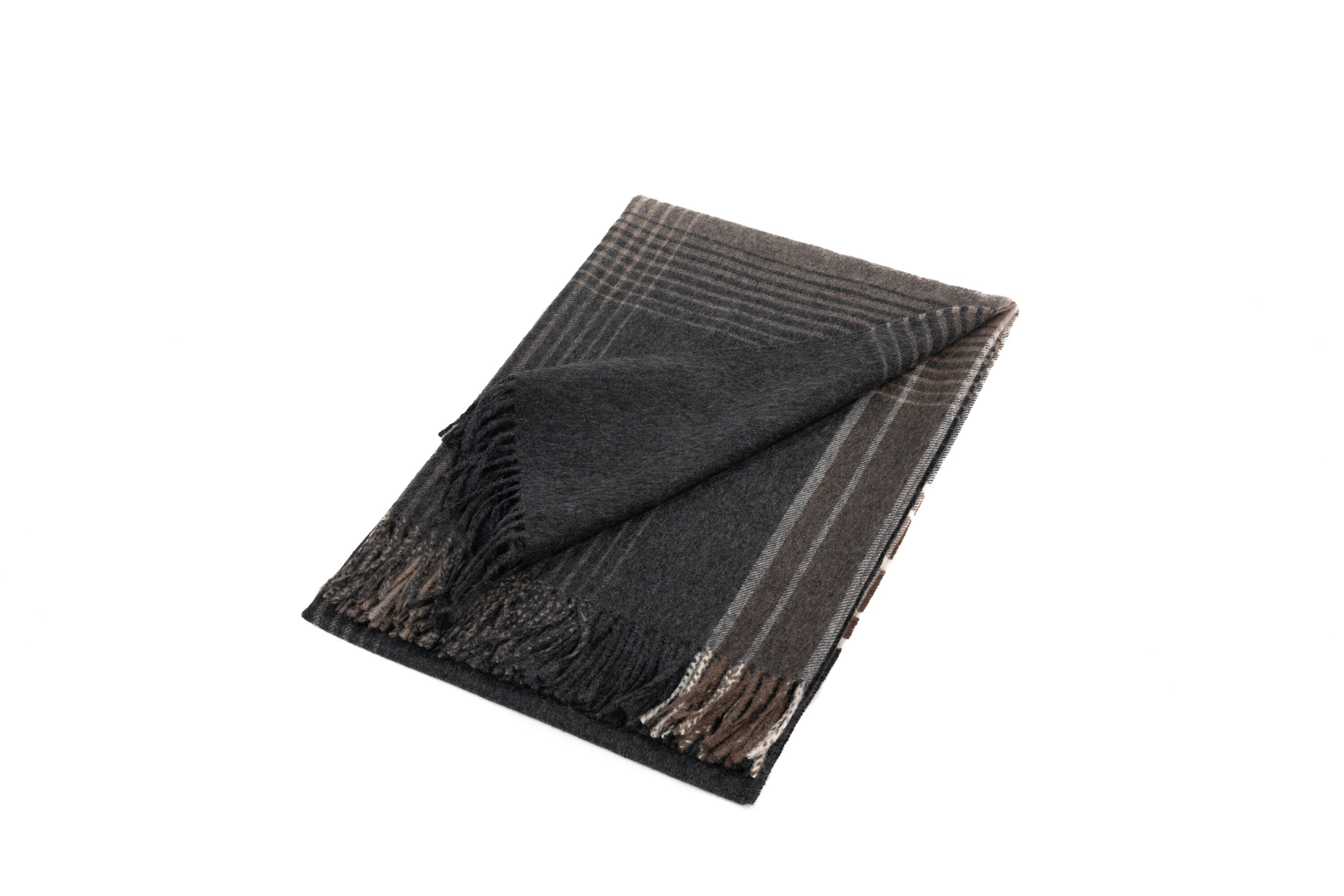
Plaids, also known as throws, bedspreads, or travel blankets, are extra-light blankets characterized by their fringes. Plaids are slightly smaller than bed blankets and wool blankets.
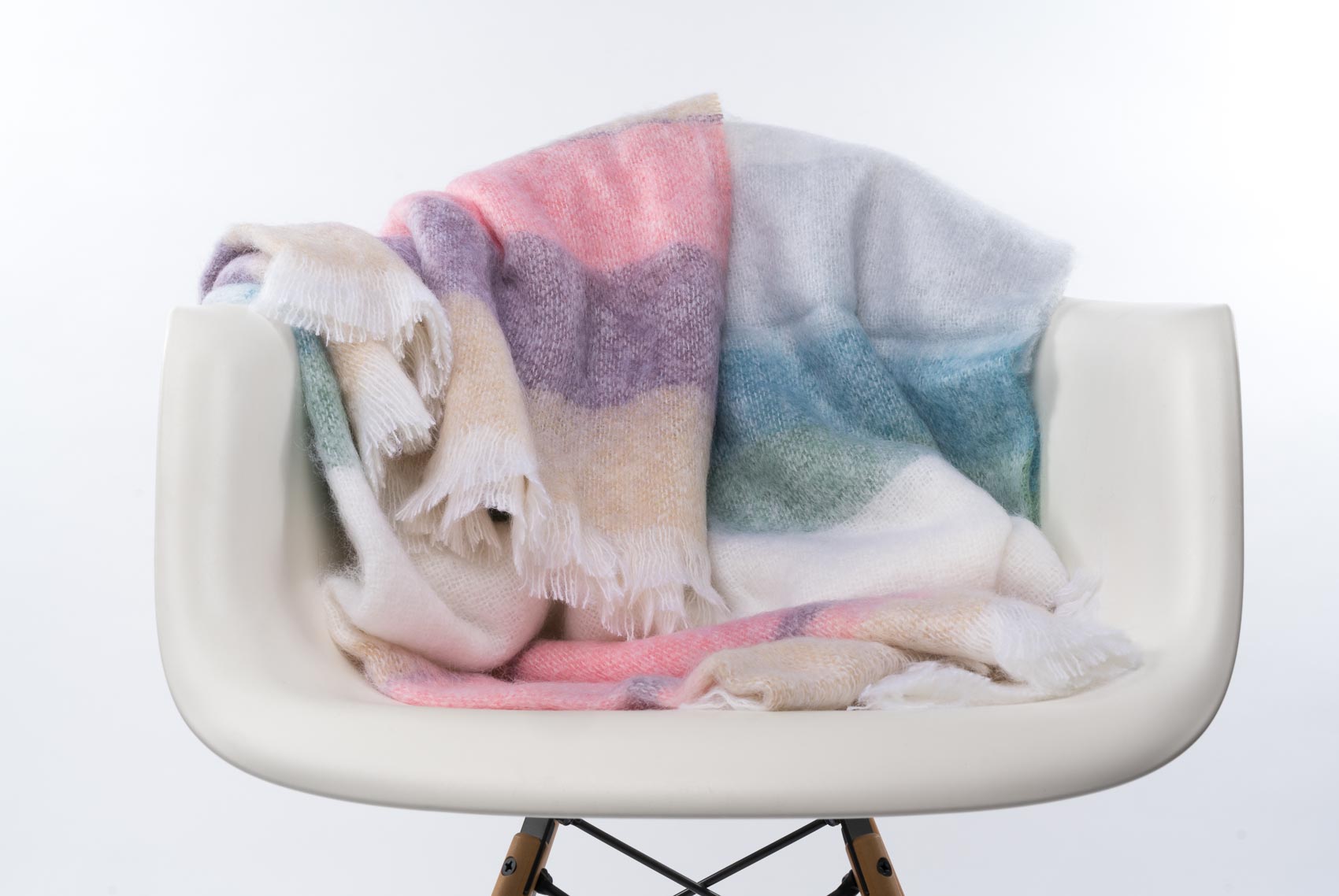
They typically measure 180 x 130 cm. Plaids are often used as a home accessory. Due to their fringes and the fact that they are offered in a wide variety of colors and patterns, they are very decorative. Therefore, they are primarily used in the living room or on the terrace.
However, they can also be worn as an item of clothing, e.g., as a poncho, which is why they are particularly popular with women. Because they are very thin and light, they are easy to store and can thus become a faithful travel companion.
Due to the lower material input, plaids are in the more affordable price category, although the price can vary greatly depending on the material, texture, and workmanship. A wool plaid, for example, typically costs between 30 and 160 Euros. How to care for a plaid, i.e., whether it is washable, should be taken from the label.
Throws & Plaids